What is a Commercial Ice Maker and How Does It Work?
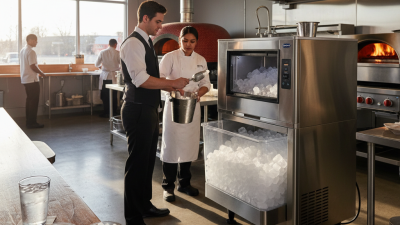
A Commercial Ice Maker is essential in various industries, providing reliable ice for restaurants, bars, and hotels. This equipment is designed to produce large quantities of ice quickly and efficiently. Understanding how it works can help businesses maximize their utility and ensure they never run out of ice during peak hours.
The mechanics of a Commercial Ice Maker involve several stages. Water is pumped into a freezing chamber, where it’s chilled until it forms ice. After a set time, the ice is harvested and stored. This process may sound simple, yet it requires precise engineering to function effectively. Maintenance is crucial, as even minor issues can disrupt production.
When selecting a Commercial Ice Maker, consider factors like capacity, energy efficiency, and ice type. Not all models are created equal. Choosing the right unit can enhance service quality, save costs, and prevent operational hiccups. Reflecting on these choices can lead to better decisions for your business's needs.
What is a Commercial Ice Maker?
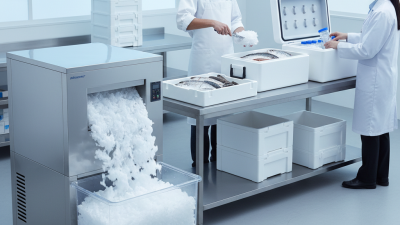
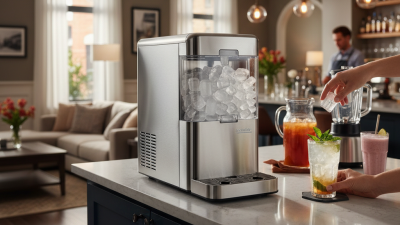
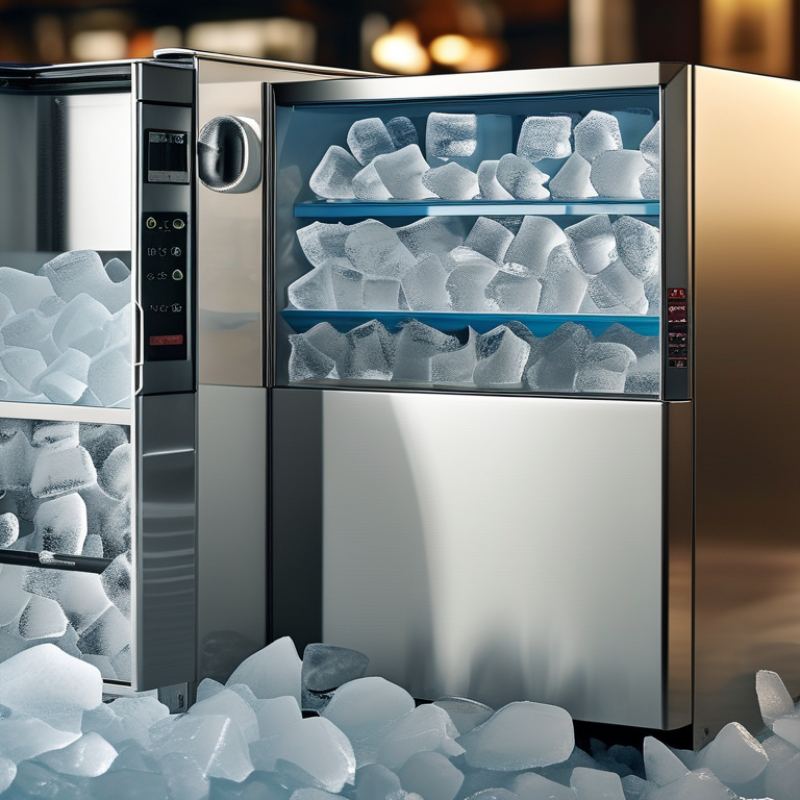
A commercial ice maker is a specialized machine designed to produce ice for various business needs. These machines are commonly found in restaurants, bars, hotels, and grocery stores. They come in different sizes and capacities, allowing businesses to choose models that suit their specific requirements. The main types include ice cube makers, flake ice machines, and nugget ice makers, each serving different purposes.
The operation of a commercial ice maker is relatively straightforward. Water is filled into a reservoir, where it is frozen into ice using a refrigeration system. Once the ice reaches a certain thickness, it is harvested and stored in an insulated bin. This process can take anywhere from a few minutes to several hours, depending on the machine's capacity. While these machines are efficient, they can also face challenges such as temperature fluctuations and water quality issues, which may affect ice production. Regular maintenance is necessary to ensure optimal performance and to address any potential problems. Understanding these nuances helps businesses make informed choices about their ice-making needs.
Key Components of a Commercial Ice Maker
A commercial ice maker is essential for many businesses. Understanding its key components can improve efficiency and effectiveness. The primary elements include the evaporator, compressor, condenser, and water reservoir. Each component plays a crucial role in the ice-making process.
The evaporator freezes water to create ice. It features a series of coils where refrigerant circulates. The compressor then pushes the refrigerant into the condenser, where it dissipates heat. Meanwhile, the water reservoir holds the required water for the process. A balance in these components ensures consistent ice production. According to industry data, properly maintained systems can produce up to 800 pounds of ice within 24 hours.
Tip: Regular cleaning is vital. Food particles can disrupt the process. Schedule maintenance every six months. Monitor ice quality frequently to ensure cleanliness.
Understanding these components allows businesses to troubleshoot issues. For example, if the ice is cloudy, it could indicate stale water or contamination. Identifying these problems early can save costs and prevent service interruptions.
Tip: Invest in water filtration systems. They can improve ice quality and extend the lifespan of your machine. Reliable ice makers are an investment in your business's success.
How Does the Ice Production Process Work?
The ice production process in commercial ice makers relies on a well-defined mechanism. Typically, these machines utilize a refrigeration cycle, starting with the compressor, which cools the refrigerant. This refrigerant travels through coils, absorbing heat from water, turning it into ice. Reports from the International Ice Association suggest that the efficiency of these machines can vary widely based on maintenance and usage patterns, with some units producing over 1,000 pounds of ice per day.
Once the compressor has chilled the water, it enters a freezing chamber. Here, the formation of ice begins as water fills molds. Depending on the machine type, this can be achieved through various methods such as flooding, where water is spread over a cold, flat surface. Industry analysts indicate that operational temperatures and water quality greatly influence ice quality. Impurities can lead to cloudy ice, which is often less desirable.
After enough ice forms, a heating element can be briefly activated to release the ice from the mold, capturing it in a storage bin. Not all machines excel in this phase, highlighting the importance of choosing the right equipment. As operational demands rise, businesses should reflect on their ice needs and the machines they use, balancing quality and efficiency with maintenance costs. The ongoing evolution in ice making technologies presents opportunities for improved performance, yet not every solution may be feasible for all business contexts.
Types of Ice Produced by Commercial Ice Makers
Commercial ice makers are essential in various industries, producing different types of ice. Understanding these types helps businesses choose the right machine for their needs. The main ice types include cubed ice, flaked ice, and nugget ice. Each serves a unique purpose in the food and beverage sectors.
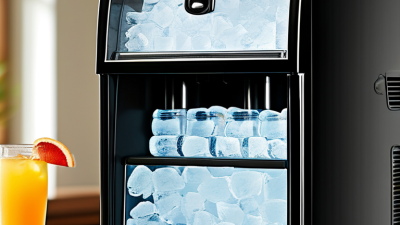
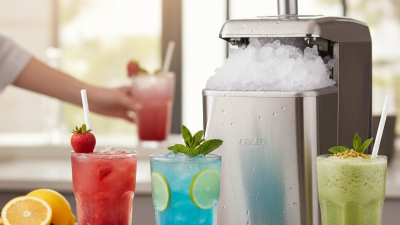
Cubed ice is the most common type. It’s compact and melts slower than other types, making it ideal for beverages. According to industry reports, about 60% of commercial establishments prefer cubed ice for its versatility. Flaked ice, on the other hand, is ideal for seafood displays and salad bars due to its ability to mold and cover food. This type has seen a rise in use, especially in restaurants that emphasize fresh ingredients. Nugget ice, known for its chewable texture, is popular in casual dining settings. Recent surveys indicate an increasing demand for nugget ice in smoothie shops and fast-food outlets.
While these preferences are clear, businesses should reflect on their specific needs. For instance, a bar focusing on cocktails may benefit more from cubed ice than flaked ice. On the contrary, a seafood market requires flaked ice to keep products fresh. As the market evolves, understanding ice types and their applications allows businesses to make informed decisions.
Types of Ice Produced by Commercial Ice Makers
Maintenance and Troubleshooting for Ice Makers
Maintaining a commercial ice maker is essential for its longevity and efficiency. Regular cleaning is critical. Ice machines accumulate mineral deposits and bacteria if neglected. According to industry reports, over 70% of ice machines suffer performance issues due to improper maintenance. Cleaning should be on a monthly schedule, particularly in high-use environments.
Troubleshooting is also vital. Common issues include low ice production and strange noises. Often, these problems signify a need for cleaning or a faulty component. Simple checks can save time. Verify the water supply and examine the filter for clogs. Many operators overlook these basic steps, which can lead to larger issues later.
**Tips:** Check the temperature settings regularly. Ensure the ambient temperature in the ice maker’s location is optimal. Such actions can prevent potential failures. Also, invest in a water filtration system. This reduces mineral buildup and extends the life of the machine. Regular service calls can identify problems early and enhance reliability, preventing costly downtime.
What is a Commercial Ice Maker and How Does It Work? - Maintenance and Troubleshooting for Ice Makers
| Feature |
Description |
| Type of Ice |
Flake, Cube, Nugget, or Plate Ice |
| Production Capacity |
From 50 to 2,000 lbs of ice per day |
| Compressor Type |
Air-Cooled or Water-Cooled |
| Power Consumption |
Generally 2 to 10 kWh per 100 lbs of ice |
| Maintenance Frequency |
Monthly cleaning; Annual professional service |
| Common Troubleshooting |
Low ice production, unusual noises, leaks |
| Ice Storage Capacity |
From 25 to 500 lbs |
| Typical Applications |
Restaurants, bars, hotels, hospitals |