How to Choose the Best Commercial Ice Maker for Your Business?
Choosing the best Commercial Ice Maker for your business is crucial. The right machine can improve efficiency and service quality. According to a report by IBISWorld, the commercial ice machine industry is expected to grow by 4.5% annually. This growth indicates increasing demand for reliable ice-making solutions across various sectors, including hospitality and healthcare.
Expert James Wilkins, a well-known consultant in the ice machine industry, emphasizes, "A high-quality Commercial Ice Maker is an investment that pays off through increased productivity." Business owners must consider several factors, including production capacity, energy efficiency, and maintenance requirements.
Selecting the ideal machine can be overwhelming. Specifications differ greatly among models and brands. Each type of ice maker serves distinct purposes. Think through your business needs carefully. Investing in a tailored solution will likely yield better results. Ignoring these aspects may lead to costly mistakes in the long run.
Understanding Your Ice Production Needs for Business
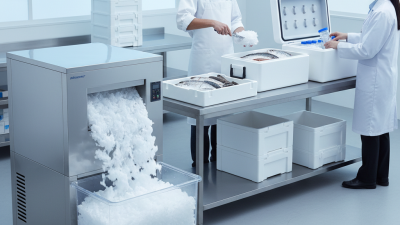
When selecting a commercial ice maker, it is essential to understand your specific ice production needs. Assess the volume of ice required daily. Restaurants may require hundreds of pounds, while cafes may need less. Your business type dictates the demand. High-traffic venues often have larger needs.
Consider the types of ice as well. Different machines produce various ice shapes. Cubes, nuggets, and flaky ice serve different purposes. Choose one that aligns with your drink or service offerings. Think about how the ice will affect customer satisfaction. The right type can enhance drinks and food presentation.
Installation and maintenance are also crucial. Some machines require regular cleaning and upkeep. Think about your staff's capabilities. Not all personnel can handle complex machinery. Make sure the ice maker is easy to operate and maintain. This ensures reliability and longevity, reducing future headaches. Always reflect on these factors to find the right fit for your business.
How to Choose the Best Commercial Ice Maker for Your Business? - Understanding Your Ice Production Needs for Business
| Ice Maker Type |
Production Capacity (lbs/day) |
Storage Capacity (lbs) |
Power Consumption (kWh/day) |
Dimensions (inches) |
| Cube Ice Maker |
500 |
200 |
10 |
24 x 24 x 36 |
| Flake Ice Maker |
700 |
250 |
12 |
30 x 30 x 48 |
| Nugget Ice Maker |
400 |
150 |
8 |
22 x 22 x 34 |
| Half-Dice Ice Maker |
600 |
180 |
11 |
24 x 24 x 36 |
Evaluating Different Types of Commercial Ice Makers
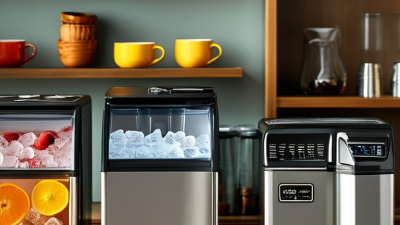
Choosing the right commercial ice maker can significantly impact your business operations. Evaluating different types of ice makers is essential for meeting your specific needs. There are generally three types to consider: modular, undercounter, and countertop models. Modular units are ideal for high-volume needs, providing large quantities efficiently. Undercounter models save space but limit production capacity. Countertop options are great for smaller businesses and specific use cases. According to data from the Food and Beverage Equipment Association, about 70% of establishments require a reliable ice source for daily operations.
When selecting an ice maker, think about your usage and storage requirements. It’s important to assess daily ice production needs, which can vary widely. For instance, a restaurant might need 700 pounds of ice daily, while a small café may only require 300 pounds. Additionally, consider the unit's water and energy efficiency. Over time, a more efficient model can save significant costs.
Tips: Always check energy star ratings before purchasing. Investing in reliable equipment can reduce maintenance costs. Look for features that allow easy cleaning to maintain hygiene and functionality. Keep in mind that each business is unique, and needs may evolve, so choose a versatile model that can adapt over time.
Key Features to Look for in an Ice Maker
When selecting a commercial ice maker, it's essential to consider key features that align with your business needs. First, pay attention to ice production capacity. According to industry reports, businesses require different volumes based on customer traffic. For instance, restaurants may need 500 pounds of ice daily, while bars often need about 1,000 pounds. Understanding your ice demand is critical to avoid shortages during peak times.
Energy efficiency is another vital aspect. Look for models with Energy Star certification. These units can reduce energy costs by up to 30%. In a recent study, businesses reported savings of over $1,200 annually when upgrading to energy-efficient machines. Additionally, consider the type of ice produced. Nugget ice is favored in many settings for its chewable texture, while cubes are preferred for faster chilling. Each type has its use cases, so evaluate what best suits your clientele.
Lastly, don't overlook maintenance needs. Simple designs often lead to quicker repairs. Technical support should also be straightforward. Industry leaders emphasize that ease of maintenance helps minimize downtime. According to research, unit failures often related to poor maintenance result in ice shortages, which can harm customer satisfaction. Balancing these features will elevate your business's efficiency.
Assessing Brand Reputation and Customer Reviews
When selecting a commercial ice maker, scrutinizing brand reputation and customer reviews is crucial. Research indicates that 73% of consumers rely on reviews before making a purchase. This finding underscores the importance of trust in a brand. Businesses should seek out products that have consistently positive feedback from reputable sources, such as industry experts and past customers.
Tips for evaluation: Look for ice maker brands with a proven track record. Analyze their ratings across multiple platforms. Verify their customer service responsiveness. Often, a brand may excel in product quality but falter in support and service.
Another significant factor is the frequency of reviews. Consistent feedback signals reliability and ongoing customer satisfaction. According to a report from the International Ice Association, brands with higher customer engagement often report improved product performance. However, you may find that some ice makers receive mixed reviews regarding energy efficiency. This inconsistency can reflect a company's evolving manufacturing processes.
When assessing options, consider both the average rating and the number of total reviews. A high rating with a handful of reviews may not be as trustworthy as a slightly lower rating with many testimonials. Be cautious of polarized feedback, as it may indicate variability in product performance.
Considering Energy Efficiency and Operating Costs
When selecting a commercial ice maker, energy efficiency is a crucial factor. According to a report by the U.S. Department of Energy, ice makers can account for up to 10% of a restaurant's energy consumption. This means that a less efficient model can significantly increase operating costs over time. A high-efficiency ice maker may cost more upfront, but the return on investment becomes clear when examining long-term electricity savings.
Operating costs should also include water usage. The same report indicates that some ice machines consume as much as 60 gallons of water per 100 pounds of ice produced. Models that recycle water can reduce waste and lead to savings on utility bills. The efficiency of both ice production and water usage directly impacts profit margins. Evaluating these factors carefully can help business owners make informed choices.
Beyond cost, consider maintenance needs. A machine that requires frequent repairs can disrupt operations and incur unexpected expenses. Industry data shows that routine upkeep can enhance a machine's lifespan by over 30%. Regular maintenance not only improves reliability but also ensures optimal energy performance. A simple yet effective strategy is to review the specifications and operational reports before making a decision.