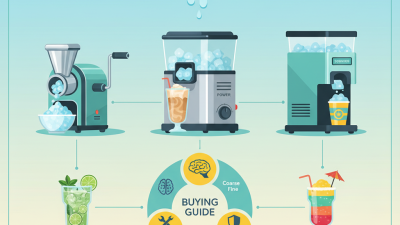
China Top Portable Ice Makers Manufacturers for Global Buyers
Global buyers often need ice where a built-in freezer is unavailable: in a small café, a rented apartment, a camper, or a temporary event space. Portable Ice Makers address that practical need with compact designs and relatively simple operation. Yet choosing a supplier in China takes more than comparing product photos or quoted prices. Output claims, cycle times, storage capacity, noise levels, and power requirements all affect whether a machine suits its intended setting.
This guide introduces manufacturers serving international buyers and explains what to examine before requesting samples or placing an order. Look for clear product specifications, consistent quality checks, responsive technical support, and documentation that matches the destination market. Ask how production batches are inspected, which components may vary, and how warranty claims are handled. A neat brochure is not proof of dependable performance. Real answers matter.
Buyers should also compare the machine’s footprint, water reservoir, drainage needs, and cleaning access. A unit that makes ice quickly may still be inconvenient if it is loud beside a guest room or difficult to sanitize during a busy shift. Details matter. Supplier capabilities can change, and product listings may not tell the whole story. No shortlist is perfect; even careful research leaves questions that only a sample, a factory discussion, or a clear written agreement can resolve. The following overview offers a practical starting point, not a substitute for checking each manufacturer’s current specifications and service commitments.
What Portable Ice Makers Are and How They Work
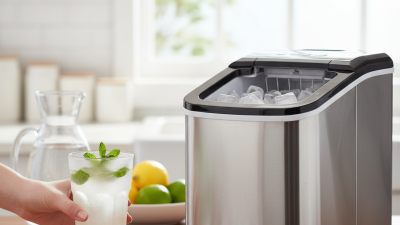
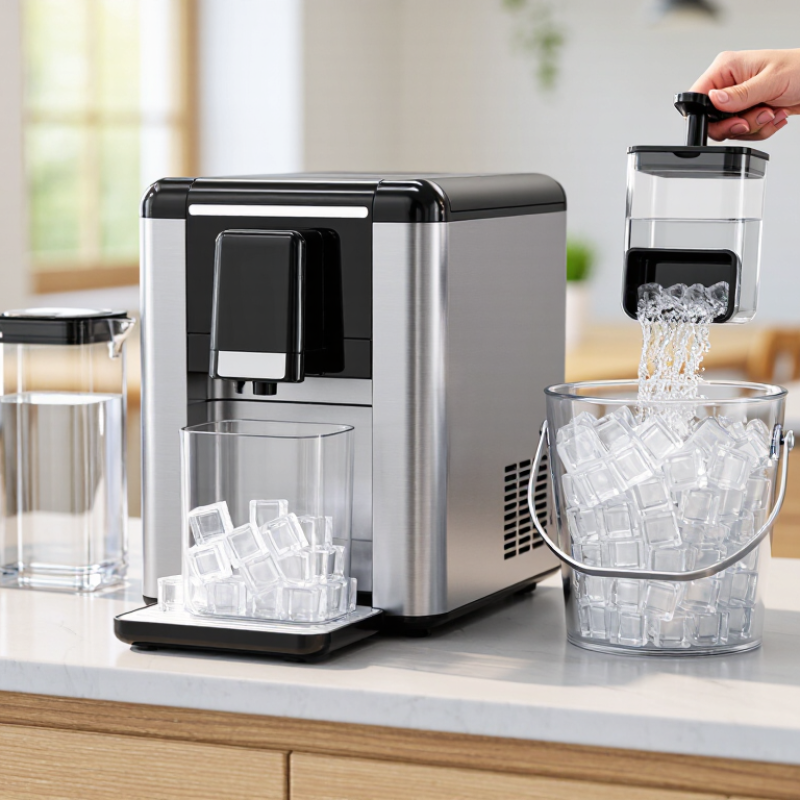
A portable ice maker is a compact countertop appliance that produces ice without a fixed water line. Pour water into its reservoir, and a small pump sends it over chilled metal prongs. Refrigerant carries heat away from the prongs, freezing water into hollow or bullet-shaped pieces. When sensors detect enough ice, the unit warms the prongs briefly, releasing the batch into a basket. Simple in principle.
Most models reuse meltwater, but their baskets are not freezers. Ice left inside gradually melts, and the machine may recycle that water for another batch. The International Institute of Refrigeration’s 2019 report estimates refrigeration and air conditioning account for about 17% of global electricity use. That broad estimate is not a rating for portable ice makers, but it highlights why operating time and efficiency matter. In real kitchens, warm rooms, frequent lid opening, and low water levels can slow production. The first batch may also be smaller than expected.
Tips: Leave space around the vents, use clean drinking water, and empty the basket regularly. Check the manual for cleaning intervals; mineral scale can reduce performance. A countertop unit makes ice on demand, but it cannot keep ice frozen overnight.
Key Features and Types of Portable Ice Makers
Key Features and Types of Portable Ice Makers
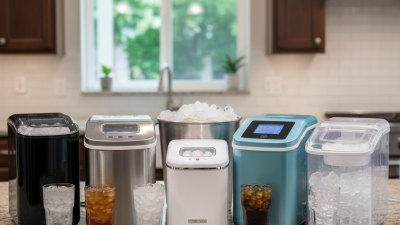
Portable ice makers suit kitchens, offices, and small gatherings where a built-in machine is impractical. Most countertop models produce hollow, bullet-shaped ice, which freezes quickly and works well in cold drinks. Some compact units make nugget-style ice instead. Check the basket size as well as the advertised daily output; they measure different things. A full basket may need frequent emptying.
Water supply and cleaning matter, too. Reservoir-fed models need manual refills, while a drain plug makes end-of-day cleaning easier. Look for clear indicators, a removable basket, and a cycle time that fits your routine. Small details count. A machine’s stated output can fall in a warm room, so treat capacity claims as estimates, not guarantees.
For an efficiency reference, the U.S. EPA’s ENERGY STAR guidance reports that certified commercial ice machines use about 15% less energy and 23% less water than standard models. Those figures apply to commercial equipment, not portable countertop machines, so they are context—not a portable-unit promise. Still, a tidy spec sheet can mislead. Compare noise, cleaning access, and actual batch size before choosing.
How to Evaluate Chinese Portable Ice Maker Manufacturers
Choosing a Chinese portable ice maker manufacturer takes more than comparing unit prices. Ask for a dated specification showing daily ice output, water capacity, power draw, and operating temperature. Output claims matter only when test conditions are stated. Request a sample and run it in a warm room. Record the first-batch time, noise near a desk, and whether cubes clump after storage. Small details matter.
Check how the factory inspects incoming parts, assembly, and finished units. Ask for inspection records, defect limits, warranty terms, replacement-part availability, and realistic lead times. Confirm that manuals and product documents match the markets you plan to serve. Compare quotations line by line; a lower price may omit packaging, testing, or service support. Ask for evidence. A video call can clarify workflow, but it cannot replace a factory visit or independent testing. Even a careful review has limits: one sample cannot reveal every production variation. Keep that uncertainty visible in your decision.
Notable China-Based Manufacturers and Their Product Strengths
China-based portable ice maker manufacturers serve several distinct buyer needs. Some focus on compact countertop models for apartments, hotel rooms, and small offices. Their strengths often include space-saving layouts, simple controls, and production options for different plug types. Others build higher-capacity units with larger water tanks and faster batch cycles for cafés or event settings. Look closely at the ice shape, output per day, and recovery time between batches. These figures matter more than a polished product photo. Details matter.
A manufacturer’s value also depends on the work behind the appliance. Ask how each unit is checked for leaks, electrical function, and consistent ice production. Request test records and sample units before placing a large order. Export-oriented factories may offer packaging changes, private-label options, or adjustments to user guides. Those services can help, but they do not prove long-term reliability. A quieter compressor or easier-to-clean basket may matter more to customers than an extra feature. There is a trade-off: compact machines save space, yet their bins can fill quickly during busy service. Supplier claims deserve verification, and even a promising sample cannot show every production variation. Compare specifications, warranty terms, spare-part access, and communication quality before choosing a manufacturing partner.
Export Standards, Sourcing, and After-Sales Support for Global Buyers
China Top Portable Ice Makers Manufacturers for Global Buyers
For global buyers, a supplier’s export readiness matters as much as its production capacity. Ask for model-specific electrical safety and EMC test reports, plus documentation matched to the destination market. IEC 60335-1 and IEC 60335-2-24 may be relevant to household appliances and refrigeration equipment, but applicability depends on product design and local requirements. Verify plug type, voltage, labeling, and food-contact materials before approving a sample. Small details matter: a mismatched plug can delay an otherwise ready shipment.
Energy performance deserves attention, too. The International Energy Agency’s Global Energy Review 2025 reported that global electricity demand rose by 4.3% in 2024. That figure is not specific to ice makers, but it reinforces why buyers should compare energy use under consistent test conditions. Request the test method and operating conditions, not just a headline efficiency claim. One weak point in many sourcing plans is accepting a test report for a similar model; insist on evidence for the exact specification.
Tips: Put after-sales terms in writing. Confirm spare-part availability, response times, warranty coverage, and troubleshooting support before placing an order. Ask how quickly suppliers can provide a replacement pump or control board. Keep one test unit for incoming quality checks. Plans are rarely perfect, and service promises need practical verification.