Why Buy a Crushed Ice Machine for Your Business Needs?
In the fast-paced world of hospitality and food service, the demand for high-quality ice remains critical. A **Crushed Ice Machine** plays a vital role in delivering refreshing beverages and ensuring food presentation excellence. According to a report by IBISWorld, the food service industry has seen a steady growth rate of 3.5% annually over the past five years. This trend highlights a growing demand for innovative equipment that can elevate customer experiences.
The benefits of investing in a **Crushed Ice Machine** extend beyond aesthetics. Data from the National Restaurant Association indicates that 86% of customers consider the quality of drinks vital to their dining experience. Crushed ice not only improves drinks but also enhances food displays. This versatility can significantly impact a business's bottom line. However, it’s essential to reflect on the initial costs and ongoing maintenance of such machines.
Choosing the right **Crushed Ice Machine** requires careful consideration. Businesses must assess their specific needs and evaluate various options in the market. Some machines may not meet the high standards expected by consumers. Balancing these factors can lead to a more informed purchase, ultimately contributing to better customer satisfaction and operational efficiency.

Benefits of Crushed Ice for Various Business Industries
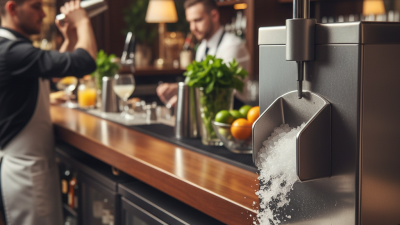
Crushed ice is a versatile and valuable addition to many business settings. It serves various industries, including hospitality, healthcare, and food service. For restaurants, crushed ice enhances beverage presentation. It creates an appealing, refreshing look that attracts customers. Events and gatherings also benefit. Caterers use crushed ice to keep seafood fresh and chilled.
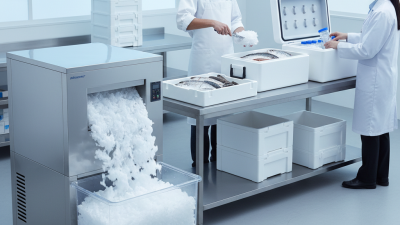
In healthcare, crushed ice plays a crucial role. It is commonly used to help manage patient fever and provide comfort. Its easy accessibility makes it essential for medical facilities. Providing crushed ice at nursing homes can improve patient satisfaction, ensuring hydration while being easily consumable.
Tips: Invest in a reliable crushed ice machine. Focus on maintenance to ensure consistent production. Train staff to use it effectively for various applications. Consider customer preferences when serving beverages. Explore creative uses for crushed ice in food presentation. Remember, presentation matters in attracting and retaining customers.
Key Features to Consider When Selecting a Crushed Ice Machine
When selecting a crushed ice machine for your business, consider several critical features. The machine’s capacity is essential. It needs to match your daily demand. For a café or bar, high output is crucial during peak hours. Smaller establishments might not require as much. Always assess your needs to avoid overspending.
Next, evaluate the machine’s durability and maintenance requirements. A robust unit can reduce downtime and repair costs. Look for machines designed for heavy use. Easy cleaning features can save you time and effort. Think about the energy efficiency of the model as well. A machine that consumes less power can lower operational costs, benefiting your bottom line.
Don't overlook the noise level. Some machines can be quite loud, which might disrupt a calm atmosphere. Consider the space where you’ll place the ice machine. It must fit comfortably without crowding your layout. Investing time in research can lead to better choices. It’s worth reflecting on your business’s specific context and needs for optimal use.
Cost Efficiency and Return on Investment of Crushed Ice Machines
When considering the purchase of a crushed ice machine, businesses often overlook the significant cost efficiency it can provide. Research indicates that restaurants using ice-making equipment can save up to 30% on ice costs compared to buying pre-packaged ice. This is especially relevant in the hospitality industry, where ice is a staple for beverages. By producing ice on site, establishments reduce not only purchasing expenses but also transportation costs associated with delivery services.
In terms of return on investment (ROI), the data suggest a crucial factor. Investing in a reliable crushed ice machine can lead to a payback period of as little as six months for high-volume venues. Many operators report that higher customer satisfaction correlates directly with the quality of ice served. They note that crushed ice enhances cocktail presentations and improves the overall dining experience. Furthermore, some industry experts recommend monitoring usage. This can help identify when production exceeds demand, indicating a need for either adjustments or enhanced marketing strategies.
While the initial investment can seem daunting, the long-term savings and business benefits often outweigh the costs. Assessing daily operational needs and ice utilization can provide invaluable insights. It’s essential to analyze these factors carefully to ensure that the ice machine not only meets immediate requirements but also supports future growth.
Maintenance and Longevity of Crushed Ice Equipment
When investing in a crushed ice machine, maintenance is crucial for performance and longevity. Regular upkeep ensures your equipment operates efficiently and safely. Simple tasks like cleaning the machine daily can prevent buildup of mold and bacteria. This is particularly important in food service, where hygiene is non-negotiable.
Pay attention to the components of the machine, especially the ice bin and condenser. Check for signs of wear or damage regularly. Proper lubrication and inspection of the parts can extend the life of the machine significantly. Neglecting these details may result in costly repairs or replacements later on.
Training staff on how to operate the machine correctly is equally important. Misuse can lead to breakdowns. Encourage your team to report any irregular sounds or performance issues. This proactive approach minimizes downtime and costly disruptions. Careful maintenance is not just about keeping the machine running. It impacts the quality of service you provide to your customers.
Comparing Different Models and Brands of Crushed Ice Machines
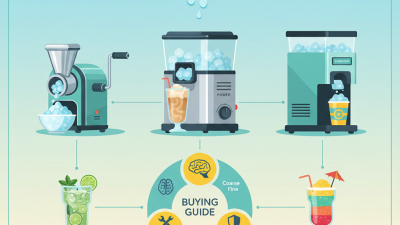
When considering a crushed ice machine for your business, understanding the various models and brands is crucial. According to recent market reports, the global ice-making equipment market is projected to grow by 6% annually, indicating a rising demand for efficient ice machines. Businesses in food service and hospitality sectors often prioritize ice quality and production speed. Models vary widely in capacity, ranging from small dispensers to large-scale machines that accommodate heavy usage.
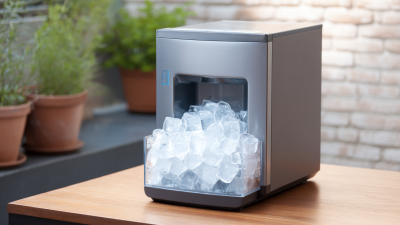
Some businesses may prefer a compact unit that fits limited counter space. Others need a high-output model for peak hours. It’s vital to assess production rates and storage capacity based on your specific needs. For example, some machines can produce up to 1,000 pounds of ice daily, making them suitable for busy bars or events. Comparisons of energy efficiency are also critical; many newer machines consume less power without compromising output.
Tip: Always read reviews from fellow business owners. They offer insights that manufacturers do not. Investing in a reliable machine saves costs in the long run. Consider maintenance and potential repair costs when making your decision. Sometimes, cheaper options lead to higher expenses. Reflect on your actual ice consumption to avoid over-purchasing features you won't use.
Comparison of Crushed Ice Machine Capacity and Price