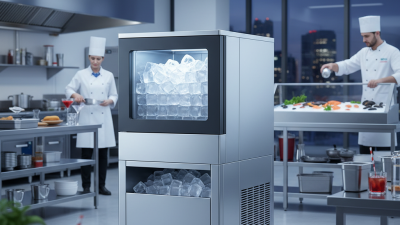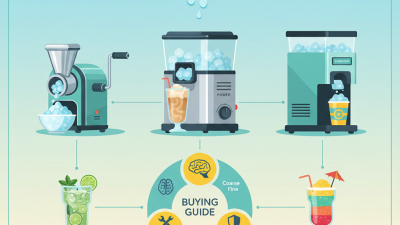
Choosing the right commercial ice machine is crucial for any business. Ice machines are vital for restaurants, bars, and hotels. They serve a variety of needs, from chilling drinks to preserving food. Understanding the different types and their features can be overwhelming.
When selecting a commercial ice machine, several factors come into play. The machine’s capacity, energy efficiency, and maintenance requirements are key. You want a reliable and efficient machine that can meet your daily demands. Not all ice machines are created equal, and what works for one business may not suit another.
It is important to consider your specific needs. Will you need a machine that produces nugget ice or flake ice? Think about your usage patterns. Many businesses overlook the importance of regular maintenance. Investing in a durable ice machine is a decision worth weighing carefully. Remember, the right choice can significantly impact your operations.
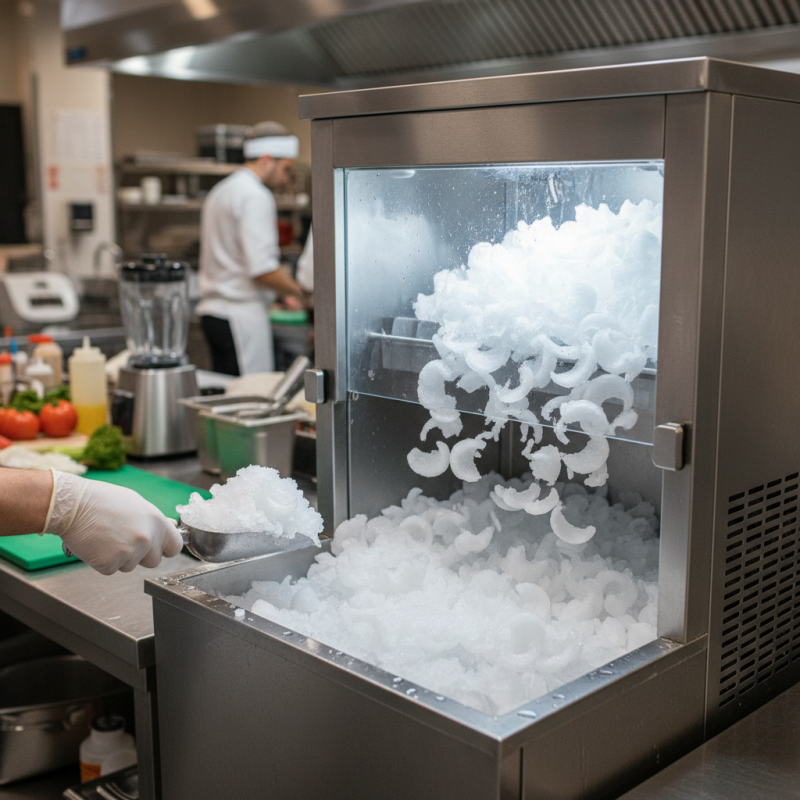
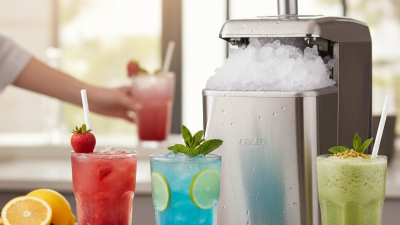
When choosing a commercial ice machine, understanding the different types available is crucial. There are several key categories, each designed for specific needs. For instance, ice makers can produce clear, cubed ice or flaked ice, which is often used in seafood displays. Nugget ice is popular for beverages, thanks to its chewable texture.
Another important aspect to consider is the machine's production capacity. Some models can produce hundreds of pounds of ice daily, while others are more suited for smaller establishments. It's vital to assess your volume requirements accurately. Additionally, consider the machine's footprint. Space constraints can limit options considerably.
Moreover, efficiency is a significant factor. Energy consumption and water usage must be evaluated. While many machines boast high efficiency, some may use more resources than expected. Regular maintenance is also necessary. A neglected machine can lead to increased operational costs and potential breakdowns. Always reflect on these aspects before making a choice; overlooking them can lead to long-term issues.

This chart illustrates the importance of various factors to consider when choosing a commercial ice machine. Each factor is rated on a scale from 1 to 10, indicating how crucial they are in the decision-making process.
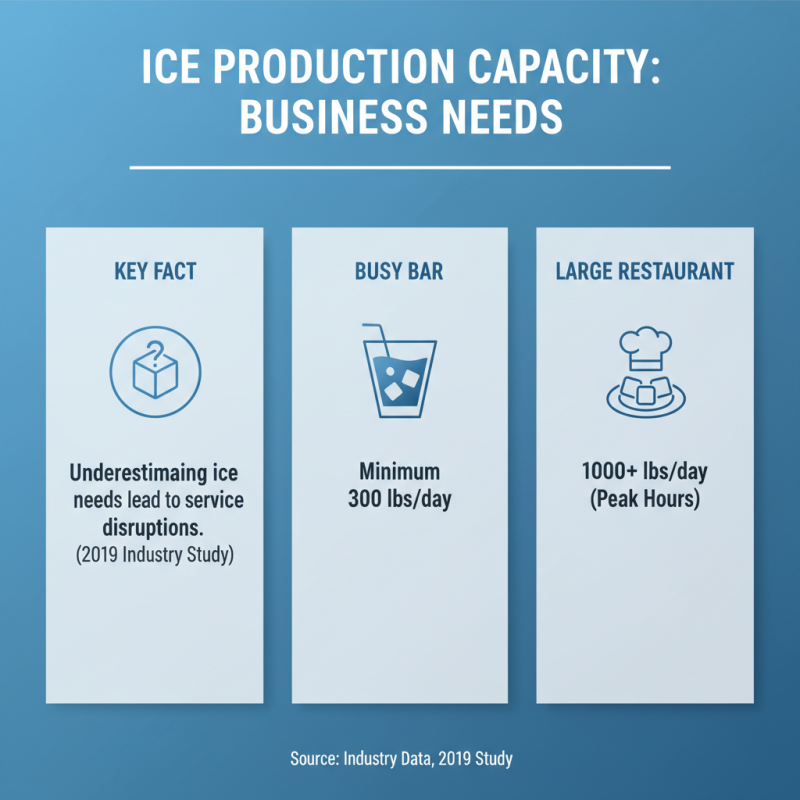
When selecting a commercial ice machine, understanding ice production capacity is crucial. Ice machines vary widely in their output, with production rates ranging from hundreds to thousands of pounds per day. The right capacity depends on your business requirements. For instance, a busy bar may need a minimum of 300 pounds of ice per day, while a restaurant might require over 1,000 pounds for peak hours. According to industry data, a 2019 study found that underestimating ice needs can lead to service disruptions.
Evaluating peak demand hours helps businesses predict their needs effectively. For example, a café may experience surges during brunch hours, necessitating a robust ice machine. Additionally, businesses should consider their ice storage capabilities. Some machines provide both production and storage solutions, streamlining operations. In fact, 37% of businesses with proper ice storage report reduced operational stress during high-demand periods.
Moreover, it's essential to contemplate the type of ice required. Different settings may need different ice styles, impacting the choice of machine. For example, chewable ice might be preferable in healthcare, while clear ice is often favored in bars. Keeping these specifics in mind can significantly enhance overall efficiency. Understanding your ice needs and choosing the right machine will lead to smoother operations, which is often overlooked yet critical for success.
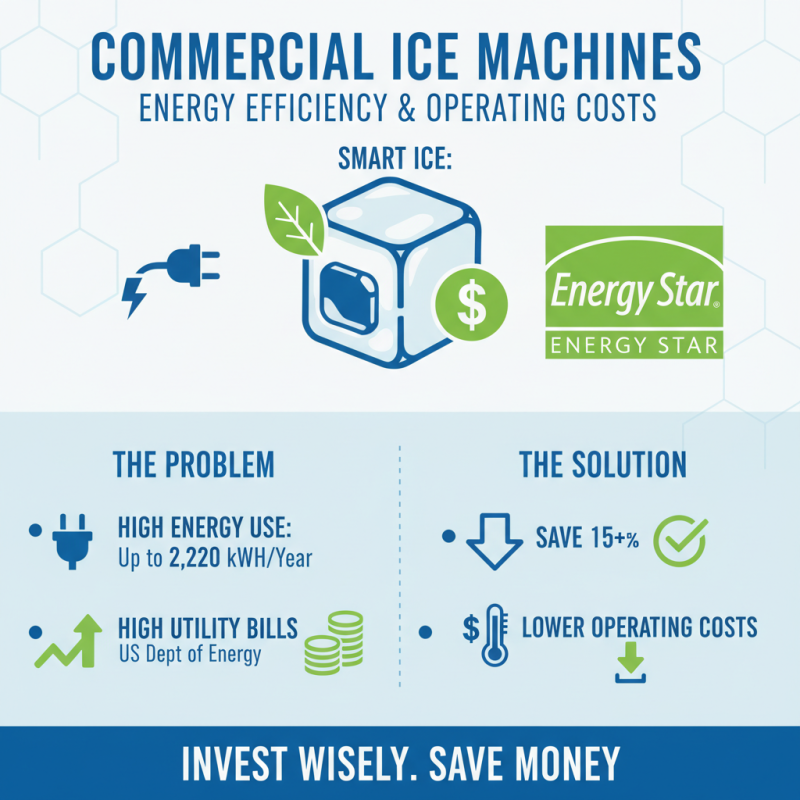
When selecting a commercial ice machine, energy efficiency and operating costs are critical factors. According to the U.S. Department of Energy, commercial ice machines can consume up to 2,220 kWh annually. This significant energy usage translates directly into higher utility bills. Investing in machines with Energy Star ratings can lead to savings of 15% or more compared to standard models.
Consuming less energy is not the only consideration. The cost of maintenance adds to operating expenses. Regular upkeep may require around $500 to $1,200 annually. Choosing units known for lower maintenance rates can mitigate this cost. Also, consider the type of ice produced; nugget ice machines, while popular, may have higher operating costs due to their design and energy requirements.
While the initial cost of energy-efficient models might be higher, they often pay for themselves over time. This return on investment is critical. Businesses must weigh upfront costs against long-term savings. Seek machines from reputable sources that provide transparent data on energy consumption and part replacement. Unseen costs can build up, making thorough research important before the final decision.
When choosing a commercial ice machine, maintenance is a critical factor. Regular upkeep ensures efficiency and extends the machine's lifespan. Ignoring maintenance can lead to costly repairs. Ice machines often need cleaning and descaling. Neglecting these tasks may result in poor ice quality. Additionally, check if the unit has accessible components for easy servicing.
Evaluate service options before purchasing. Some suppliers offer extensive support and warranties. Quick access to replacement parts matters during breakdowns. Long downtimes can impact your business. It's essential to find reliable service technicians familiar with your chosen model. Assess their response time and customer feedback.
Think about the maintenance frequency. Some machines demand daily checks, while others are weekly or monthly. Understanding these needs helps in planning your operational schedule. Regular maintenance minimizes unexpected issues. Reflecting on your long-term needs can guide you towards the right choice. Balancing initial costs and ongoing maintenance is key in this decision-making process.
When selecting a commercial ice machine, brand reputation and user feedback are pivotal. An industry report from IBISWorld notes that businesses prioritize reliability. Quality machines can reduce operational disruptions. Feedback from users often highlights efficiency and durability as key factors in their choices. Research shows that 68% of commercial businesses prefer brands with strong reputations.
User reviews frequently mention service and support. A significant number report challenges when machines fail. Machines that require frequent repairs can lead to increased costs and unsatisfied clients. Many users recommend engaging with customer service before purchasing. Understanding warranty terms also brings peace of mind.
Pay attention to common issues reported in online forums. Some users experience inconsistent ice production or noise problems. Evaluating feedback can provide valuable insights into potential pitfalls. Reliable machines add to operational efficiency. Investigating both positive and negative comments forms a well-rounded perspective before making a purchase.
| Tip | Description | User Feedback Summary | Brand Reputation |
|---|---|---|---|
| 1. Assess Ice Production Needs | Determine the volume of ice required for your business to choose the right size machine. | Users emphasize the importance of matching machine capacity with peak demand. | Highly rated for understanding customer needs. |
| 2. Consider Ice Type | Choose between different types of ice like cube, flake, or nugget based on your usage. | Feedback indicates that ice type can significantly impact customer experience. | Reputation for offering versatile ice options. |
| 3. Think About Installation Location | Ensure the machine fits into your space and has the necessary power and plumbing. | Users stress the importance of planning for space and utility access. | Well-regarded for providing installation guidance. |
| 4. Evaluate Energy Efficiency | Look for machines with high energy efficiency to reduce operational costs. | Positive reviews highlight savings on electricity bills. | Renowned for eco-friendly practices. |
| 5. Research Maintenance Requirements | Understand the maintenance needs to keep the machine running efficiently. | Users appreciate clear maintenance processes outlined. | Reputation for reliable customer support. |
| 6. Check for Warranty and Support | Examine the warranty and customer support options available. | Strong feedback for brands offering robust warranties. | Highly rated for excellent post-purchase service. |
| 7. Consider Noise Levels | Select machines that operate quietly to maintain a pleasant environment. | Users often mention noise levels as a critical factor. | Reputations for quieter models are preferred. |
| 8. Compare Cost and Value | Balance the upfront cost against long-term value and operational costs. | Positive feedback highlights good value for performance. | Recognized for quality within a budget. |
| 9. Read Customer Reviews | Analyze customer reviews to gauge satisfaction and issues. | Review trends can predict functionality and durability. | Brands with high ratings are consistently recommended. |
| 10. Ask for Recommendations | Consult peers in the industry for trusted machine recommendations. | Users highlight community recommendations as valuable. | High regard for loyalty among users. |