Best Small Ice Maker Machine for Home Use and Convenience?
Are you looking for the best small ice maker machine for home use? Choosing the right model can make a significant difference. A compact unit brings convenience, especially during hot weather. You can enjoy refreshing ice in just minutes.
Not all small ice maker machines are created equal. Some offer faster production rates. Others may have limited storage capacity. Understanding your needs is crucial. Families might prefer a larger capacity, while individuals could opt for smaller models.
When selecting an ice maker, consider features like portability and ease of use. A machine with straightforward controls will save you time. Read customer reviews to gauge reliability. It’s essential to find a balance between efficiency and quality. Consider investing in a well-reviewed model for a satisfying experience.
What to Look for in a Small Ice Maker Machine for Home Use
When searching for a small ice maker machine for home use, consider several key features. Size is crucial. Look for a compact design that fits your kitchen space. A lightweight unit can be easily moved around. Capacity matters too. Find an ice maker that produces enough ice for your needs, especially during gatherings. Some machines create ice in different sizes, offering versatility.
Energy efficiency is another important factor. Look for models that use less power. This feature not only saves money but also helps the environment. Pay attention to the noise level as well. A quieter machine allows for a more peaceful home environment.
Remember, you may encounter some challenges. Ice clumping can be an issue with certain models. User experience reviews often highlight difficulties in maintenance or cleaning. It's wise to read feedback to assess long-term reliability. Ensure the water reservoir is easy to refill and clean. Small details can greatly enhance or detract from your overall experience. Choose wisely.
Best Small Ice Maker Machine for Home Use and Convenience
| Model |
Daily Ice Production (lbs) |
Ice Storage Capacity (lbs) |
Size (inches) |
Noise Level (dB) |
Energy Efficiency Rating |
| Model A |
26 |
3 |
14 x 11 x 15 |
35 |
A+ |
| Model B |
22 |
2.5 |
12 x 9 x 14 |
40 |
A |
| Model C |
30 |
4 |
15 x 12 x 16 |
32 |
A++ |
| Model D |
18 |
2 |
11 x 8 x 12 |
45 |
B |
Top Features of the Best Small Ice Makers for Convenience
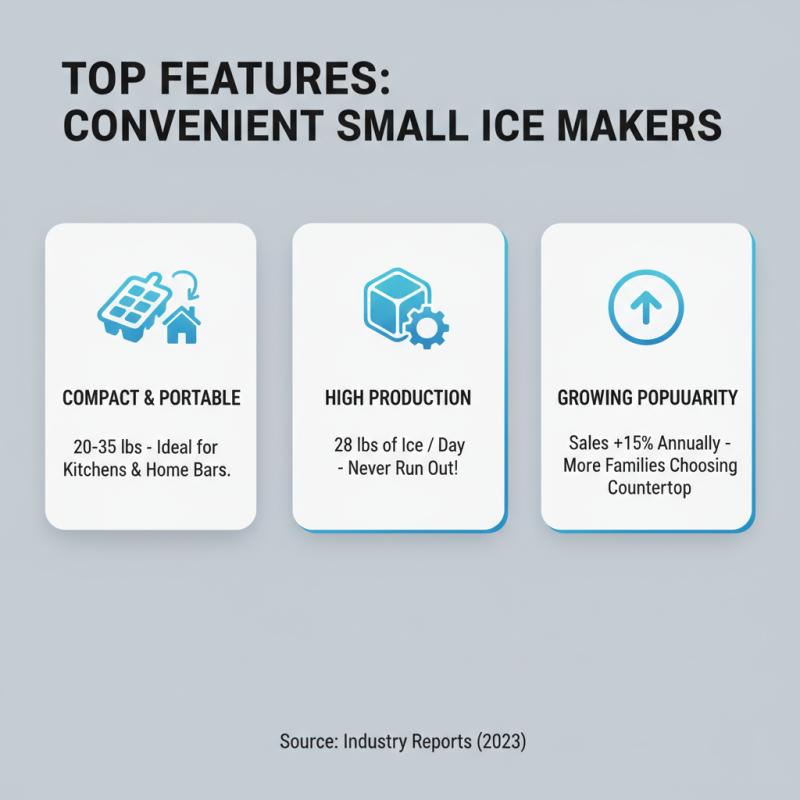
When it comes to small ice makers for home use, convenience tops the list of desired features. A compact ice maker typically weighs between 20 to 35 pounds and can produce 28 pounds of ice per day. This makes it ideal for small spaces like kitchens or home bars. Industry reports show that more families are opting for countertop ice makers, with a surge in sales by about 15% annually over the past five years.
One essential feature is the ice production speed. Many small models can produce ice in as little as 6 to 15 minutes. This quick turnaround is perfect for gatherings or last-minute parties. Additionally, the storage capacity of the ice maker is crucial. Most small machines can hold between 1.5 to 3 pounds of ice at a time. Users should consider how often they will refill the water reservoir, which typically holds about 1 to 2 liters.
Tips: Regular cleaning prolongs your ice maker's life. Use vinegar and water to keep it fresh. Check the ice thickness settings to match your needs. Some models have different sizes; adjusting them can reduce waste. Remember to assess the noise level, which can range from silent to moderate; this could impact your decision based on your home's acoustic environment.
Comparison of Popular Small Ice Maker Models on the Market
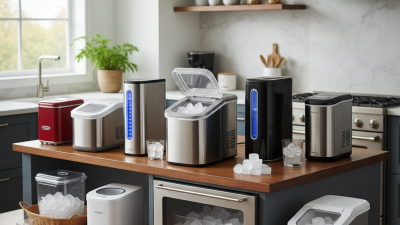
When considering a small ice maker for home use, various models stand out in the market. These machines offer convenience and efficiency for families and gatherings. Portability is a key feature, as many units are compact enough to fit on countertops. It's essential to evaluate production capacity; some machines can produce ice in as little as six to eight minutes.
Energy consumption is another critical factor. Energy-efficient models contribute to lower electricity bills. Additionally, ease of use is significant for many consumers. Some machines come with intuitive controls and easy-to-read displays. However, not every model excels in all areas. Noise levels can vary between brands, and some may produce more sound than others. This can be a drawback for quiet environments.
Regular maintenance is crucial for long-lasting performance. Cleaning cycles vary, and some require more frequent upkeep than others. Buyers should also consider the size of the ice produced. Larger ice cubes may last longer, while smaller cubes freeze quickly. Ultimately, the choice of a small ice maker will depend on specific wants and needs, making it essential to weigh options carefully.
Maintenance Tips for Your Home Ice Maker Machine
When using a small ice maker machine at home, maintenance is key to ensuring its longevity and performance. Regular cleaning can prevent mold and mineral buildup. Rinse the ice bin and other removable parts with warm soapy water. Avoid abrasive cleaners that could scratch the surface.
Tips for optimal maintenance include checking the water filter regularly. A clogged filter can reduce ice production and affect water quality. Change the filter as recommended to maintain efficiency. Ensure the machine is on a level surface to prevent leaks.
Inspect the water supply line for any signs of cracking or leakage. Replace worn-out hoses promptly to avoid flooding. Lastly, consider turning off the machine during long periods of non-use. This can conserve energy and protect the appliance. Regular care makes a difference in the quality and quantity of ice produced.
Cost Considerations for Buying a Small Ice Maker for Home Use
When considering a small ice maker for home use, cost plays a significant role. According to the Home Appliance Manufacturers Association, the average price range for these machines typically falls between $100 and $300. Depending on features, prices can fluctuate greatly. Basic models are often more affordable, while advanced options come with additional costs.
It's vital to evaluate the long-term costs as well. Energy consumption can vary significantly. The Department of Energy reports that energy-efficient models may cost as little as $15 to $20 annually. However, less efficient versions might reach $50 or more. It’s a reflection of performance and long-term savings. Buyers should also think about maintenance costs. Regular cleaning is essential for optimal performance, which can add to the overall expense.
In addition, durability plays a critical role. Many consumers overlook this and may end up replacing cheaper models more frequently. According to a study by Consumer Reports, the lifespan of entry-level machines averages about three years, compared to five years or more for higher-end products. This means that investing in a reliable ice maker can actually save money over time. Being aware of these factors can guide consumers towards better financial decisions while ensuring they get a dependable ice maker for home convenience.
Cost Considerations for Buying a Small Ice Maker for Home Use