Leave Your Message

7 Best Ice Cube Makers for Commercial Use?

Commercial ice production is no longer a simple countertop decision. Restaurants, hotels, hospitals, and bars need dependable output, cleanable components, efficient water use, and ice that matches each service style. Grand View Research estimates that the global commercial ice maker market reached approximately USD 5.43 billion in 2023. The report also projects continued growth through 2030, driven by foodservice expansion and stricter efficiency expectations.

Efficiency matters.

ENERGY STAR states that certified commercial ice machines can use about 15% less energy and 10% less water than standard models. Those savings become tangible during a busy shift, when a machine runs continuously beside warm kitchens and crowded storage areas. NSF/ANSI 12 also provides an important sanitation benchmark for automatic ice-making equipment. Compliance alone, however, does not guarantee easy maintenance or suitable ice quality.

As Ice-O-Matic product specialist Terry Smith has noted, “The best ice machine is the one that fits the operation, not just the budget.” That practical point shapes this guide. A high-capacity Ice Cube Maker may appear impressive, yet it can waste space and utilities in a small café. A compact unit may struggle behind a hotel bar. Neither choice is perfect.

This review compares seven commercial Ice Cube Maker options through production capacity, ice type, bin size, energy performance, cleaning access, noise, warranty support, and installation demands. Some published specifications vary by ambient temperature and water conditions. That detail is easy to overlook. We will identify those limitations clearly, so buyers can choose equipment based on real service needs rather than attractive numbers alone.
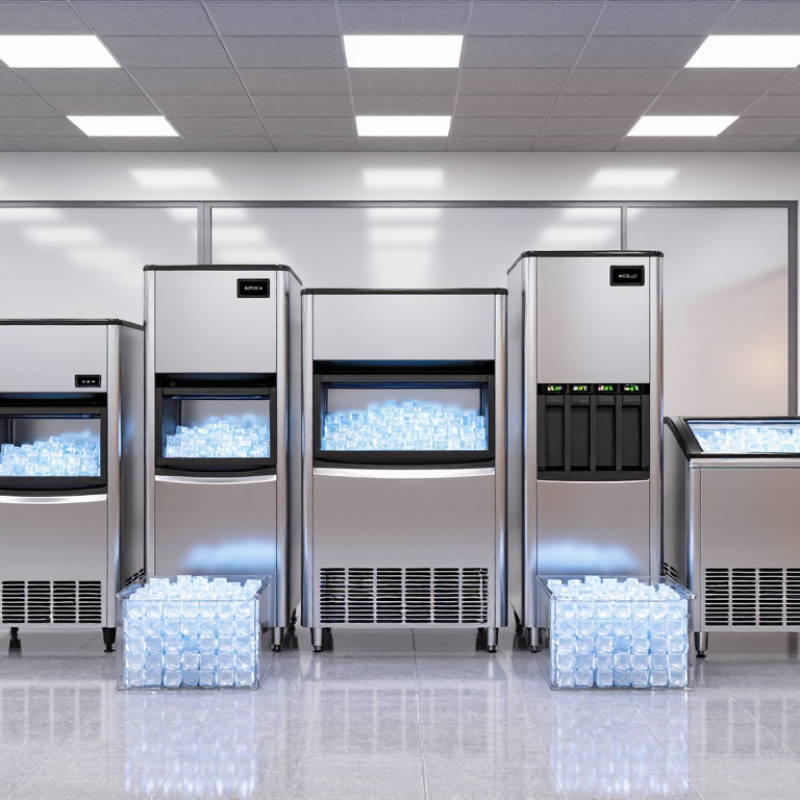
7 Best Ice Cube Makers for Commercial Use?

What Defines a Commercial Ice Cube Maker?

A commercial ice cube maker is more than a larger countertop appliance. It must produce consistent ice during long service hours, often in hot, crowded kitchens. A useful evaluation checks daily output, recovery speed, storage capacity, and cube consistency. The machine should keep pace with drink orders without creating thin, melting cubes.

Construction matters. Stainless steel panels, sealed controls, and accessible parts help equipment survive constant cleaning. A strong unit should also support clear sanitation routines, because hidden corners can collect residue. Look for food-service certification, dependable water filtration, and a drainage design that prevents standing water. Local installation rules still matter.

Operational details often decide whether a machine earns its floor space. Measure the available area, including ventilation clearance and door access. Check water and electrical requirements before delivery. A quieter compressor may improve the dining room, while efficient insulation can reduce melting in the storage bin. However, higher output is not always better. A machine that produces too much ice may waste water and energy during slow periods.

Real testing should include a busy lunch service, not only a showroom demonstration. Watch how quickly the first batch arrives and whether cube size changes later. Maintenance intervals also deserve attention. Even reliable equipment needs cleaning, filter replacement, and professional inspection. My own assessment would remain cautious without seeing performance across several weeks; one impressive afternoon can hide recurring faults.
How Commercial Ice Cube Makers Produce and Store Ice

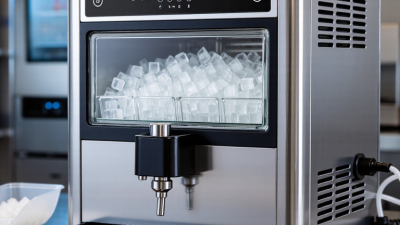
In busy restaurants, commercial ice cube makers turn treated water into consistent cubes through repeated freezing cycles. A pump moves water across a cold evaporator surface. As ice thickens, sensors end the freeze cycle. A short warming phase loosens the cubes. They fall into an insulated storage bin. Cube size depends on water flow, freezing time, and evaporator temperature. Clearer ice often forms when minerals and air are controlled. However, clear ice does not automatically mean safer ice. Water quality and cleaning still matter.

During field maintenance, I check the inlet filter, spray holes, and condenser airflow before blaming the refrigeration system. Small mineral deposits can distort cubes or reduce production. A clogged condenser makes the machine work harder and increases operating costs.

Harvest sounds like a brief crackle. Then the bin sensor stops production when ice reaches its level. The bin is not a freezer. Meltwater drains away, while insulation slows further melting. Warm doors, frequent opening, and nearby cooking equipment can defeat that insulation.

For storage, staff should use clean scoops and avoid touching ice with hands or glassware. Ice should remain in a dry, food-safe bin, not an open container. Regular cleaning should follow the equipment manual and local food-safety requirements. I would also record cleaning dates, filter changes, and unusual harvest times. Records reveal gradual problems. They can also expose rushed maintenance. One practical weakness remains: operators often ignore the drain line until water backs up. That mistake can contaminate nearby surfaces and interrupt service.

Key Features to Compare Before Choosing a Machine

Choosing a commercial ice cube maker requires more than checking daily production. A machine may advertise high output, yet struggle during lunch-hour demand. Compare its production rate, storage capacity, and recovery time after the bin becomes empty. A busy café needs steady supply, not impressive figures under ideal conditions.

Ice shape also matters. Dense cubes melt slowly in spirits and soft drinks, while smaller pieces chill beverages faster. Check the machine’s water filtration needs, drainage design, and cleaning access. Narrow internal corners can collect residue. That detail is easy to miss. Review noise levels if the unit will operate near customers. Energy consumption matters too, especially when the machine runs throughout the night. A reliable warranty, available replacement parts, and clear maintenance instructions show stronger long-term value.

Tips: Measure the installation space first. Leave room for ventilation and service access. Ask whether the stated output applies to your local water temperature. Test one full cycle if possible. Listen for vibration. Check how easily staff can remove the storage bin and clean the food-contact surfaces. I would also compare several weeks of operating costs, not only the purchase price. A cheaper machine can become expensive when cleaning takes too long or repairs interrupt service. Specs are useful, but real workflow often exposes their weaknesses.

Seven Leading Ice Cube Makers for Commercial Settings

Seven leading ice cube makers for commercial settings differ by workload, installation, and cube style.

The first is a modular air-cooled unit for busy bars and restaurants.

The second uses water cooling, which suits hot kitchens but increases water demand.

The third is an undercounter maker for compact cafés.

The fourth is a countertop dispenser for hospitals and self-service areas.

The fifth produces slow-melting gourmet cubes for premium beverages.

The sixth makes fast-melting flake ice for seafood displays.

The seventh combines ice production with storage and dispensing.

Performance needs evidence.

The U.S. Department of Energy evaluates commercial ice machines by energy use in kilowatt-hours per 100 pounds of ice and water consumption per 100 pounds.

ENERGY STAR data indicates certified machines can use at least 10% less energy and 20% less water than standard models.

Those percentages matter during long summer shifts. A small efficiency gap becomes a large utility bill.

Food safety also changes the shortlist.

The FDA Food Code treats ice as food, requiring potable water and sanitary handling. Look for components aligned with NSF/ANSI 12, accessible cleaning areas, and clear harvest-cycle controls.

I have seen impressive output claims become disappointing when filters clog or ventilation is poor.

That is the weak point.

Measure peak demand, ambient temperature, drainage, and service access before buying.

A quieter machine may still waste water, while a cheaper unit may need more frequent maintenance.

Cleaning, Maintenance, and Safe Daily Operation

7 Best Ice Cube Makers for Commercial Use?

Cleaning and maintenance matter more than a machine’s advertised production rate. The U.S. FDA Food Code 2022, Section 4-602.11, requires ice-machine components to be cleaned at the manufacturer’s stated frequency, or sooner when soil or buildup appears. During each shift, staff should inspect the bin, scoop, lid, drain, and door gasket. Look for slime, scale, cracks, or trapped debris. One missed gasket can contaminate clean ice.

Daily operation should begin with clean hands and a dedicated scoop. Store the scoop outside the ice, with its handle protected from contact with food surfaces. Never use a glass or bare hands. Discard ice exposed during cleaning or maintenance. The Centers for Disease Control and Prevention recommends suitable disinfectants and carefully followed label directions for norovirus control; chlorine products may require 1,000–5,000 ppm for contaminated surfaces. Food-contact surfaces still need proper rinsing when the label requires it.

Weekly checks should include the water filter, condenser airflow, drain line, and unusual noises. Scale removal should follow the equipment manual, because harsh chemicals can damage metal and seals. NSF/ANSI 12 addresses sanitation requirements for automatic commercial ice-making equipment, but certification cannot replace staff discipline. The uncomfortable truth: a perfect cleaning schedule fails when rushed workers skip records. A simple log with initials, time, chemical concentration, and corrective action creates accountability. It also exposes weak routines. Reconsider the schedule after busy events, power interruptions, or repeated odor complaints.

Commercial Ice Maker Care Schedule: Cleaning, Maintenance & Safe Daily Operation

Typical minimum intervals for food-contact hygiene and preventive maintenance in commercial ice-making operations.

Food-contact surfaces should be checked and cleaned every operating day. Air filters commonly need monthly attention, while descaling and full sanitizing are often performed every 3–6 months, depending on water hardness, usage, and the manufacturer’s instructions. Always follow local health regulations and the equipment manual.