Leave Your Message

10 Tips for Choosing a Commercial Nugget Ice Maker

Choosing a Commercial Nugget Ice Maker is more complicated than comparing daily ice production. A busy café may need soft, chewable ice from opening until closing, while a hotel bar may face sudden evening demand. The right machine must match volume, storage, water quality, ventilation, cleaning access, and available floor space.

Industry data makes efficiency difficult to ignore. ENERGY STAR’s Commercial Ice Machines guidance reports that certified models can use about 15% less energy and 10% less water than standard machines. Those savings matter when compressors run for long hours. Grand View Research’s commercial ice machine market analysis also points to continued demand from restaurants, healthcare facilities, hospitality, and convenience stores. Growth creates more choices, but not necessarily better decisions.

Details matter. A model producing 1,000 pounds of ice daily may struggle if its bin holds only 300 pounds during a weekend rush. A compact unit may fit beneath a counter, yet require unusual clearance for airflow. Water filtration can protect texture and reduce scale, although it adds replacement costs. The FDA Food Code and NSF/ANSI 12 provide useful safety and sanitation references, but local requirements still deserve confirmation.

A glossy specification sheet is not the whole answer. Not always. Real operating conditions can expose weaknesses that laboratory ratings miss. This guide examines ten practical considerations, including output claims, energy use, sanitation, noise, maintenance, installation, warranty support, and total ownership cost. The goal is a defensible purchase, not the cheapest machine on paper. Sometimes, the “best” Commercial Nugget Ice Maker is simply the one your staff can clean correctly every day.
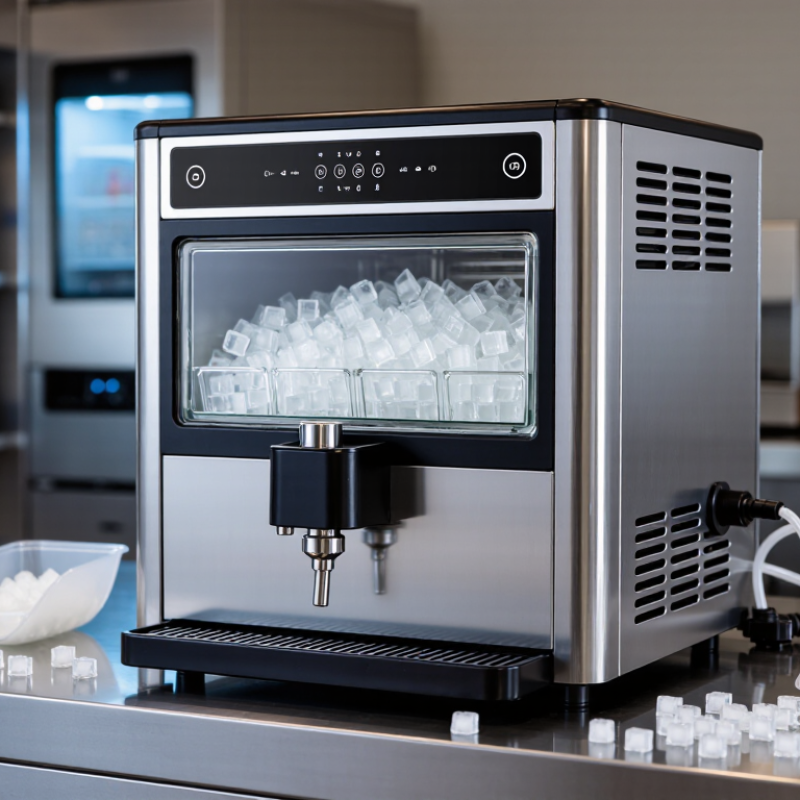
10 Tips for Choosing a Commercial Nugget Ice Maker

Define Your Required Ice Output and Storage Capacity

When choosing a commercial nugget ice maker, start with demand, not the machine’s advertised size. Estimate daily use from actual service records, then separate normal demand from busy periods. A café may need 250 pounds daily, while a small clinic may need far less. However, a hot weekend can change the calculation quickly.

Measure ice used during the busiest two-hour window. Include drinks, food displays, patient areas, and unexpected refills. Then compare that number with the maker’s production rate under realistic room and water temperatures. Manufacturer figures often reflect controlled conditions. Your kitchen may be warmer, and its water pressure may vary. Build a 15–20% reserve, but do not exaggerate it. Excess capacity can increase purchase, energy, and maintenance costs.

Storage capacity deserves equal attention. A full bin should cover the gap between production cycles and peak service, without leaving wet ice overnight. For example, a 250-pound daily requirement may need a 100-pound bin if production continues steadily. It may need more when deliveries, cleaning, or power interruptions stop production. My first estimate was too optimistic. I ignored morning demand and lost the safety margin. Tracking actual scoop counts for one week would have exposed that mistake. Leave room around the unit for airflow, cleaning, and safe access. Recheck the figures after seasonal demand changes.
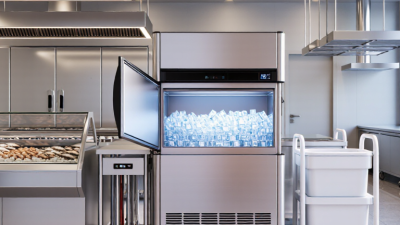
Compare Nugget Ice Quality, Texture, and Production Speed

Choosing a commercial nugget ice maker requires more than checking its daily ice output. Nugget ice is not automatically good. Test it yourself. Examine the pellet shape, surface moisture, and melting rate. Quality nuggets should look fairly uniform and hold together without becoming a hard, compressed block. During a site evaluation, place fresh ice in a clear cup and observe it after ten minutes. Excessive water at the bottom may signal weak texture or poor drainage.

Texture directly affects customer experience. Soft, chewable nuggets suit fountain drinks, iced coffee, and healthcare settings. However, ice that is too soft may melt quickly and dilute beverages. Ask for a sample from several production cycles, not only the first batch. Production speed also needs careful comparison. Compare the rated output with actual output during busy periods. Record how much ice the machine makes over four hours, using the same water and room conditions. Water temperature, airflow, and storage capacity can change the result.

Recovery time matters when staff repeatedly open the bin. A fast machine with slow recovery may still create service delays. I once overvalued a high hourly rating and ignored the refill cycle. That was a costly assumption. Review noise, cleaning access, and alert functions alongside speed. A reliable unit should produce consistent nuggets, recover predictably, and support routine sanitation without forcing rushed maintenance. Short tests can mislead. Real operating conditions reveal more.

Check Water Supply, Drainage, and Installation Requirements

Choosing a commercial nugget ice maker starts with the water line, not the ice bin. EPA ENERGY STAR data indicate certified commercial ice makers can use about 15% less energy and 10% less water than standard models. Those savings disappear if the supply line is undersized or poorly filtered. Check the installation sheet for inlet size, pressure range, filtration, and water temperature. A busy café may need more flow than a small office. Measure carefully.

Drainage deserves equal attention. The drain must handle continuous meltwater, cleaning water, and occasional overflow. Use a visible air gap where local plumbing rules require one. Never push the drain hose into standing water. That detail is easy to miss. A licensed installer should verify slope, trap placement, and floor-drain capacity before delivery. ASHRAE plumbing guidance emphasizes proper drainage and backflow protection for food-service equipment. A slow drain can leave water beneath the machine, encouraging odors and microbial growth.

Installation space also affects performance. Leave the manufacturer’s required clearance around air intakes and exhaust areas. Avoid heat-producing appliances and direct sunlight. The CDC’s guidance for food-service ice equipment supports regular cleaning, sanitizing, and safe water handling. Plan access for those tasks. I have seen teams measure the doorway but forget the final service clearance. That mistake can turn routine maintenance into a costly removal job. Check the electrical circuit, shutoff valve, drain route, and finished floor before signing off.

10 Tips for Choosing a Commercial Nugget Ice Maker

Check water supply, drainage, electrical service, ventilation, and installation requirements before selecting equipment.

Installation checklist highlights

  1. Confirm the required potable-water inlet size and connection type.
  2. Verify that incoming water pressure matches the equipment specification.
  3. Install a water filter when local water quality or hardness requires it.
  4. Provide a suitable drain with the correct diameter and slope.
  5. Check whether a floor drain, drain pump, or air gap is required.
  6. Confirm voltage, phase, frequency, and dedicated circuit requirements.
  7. Allow the manufacturer’s specified side, rear, and top clearances.
  8. Keep ambient temperature and water temperature within the operating range.
  9. Position the machine where service access and cleaning are practical.
  10. Compare production capacity, bin size, noise, sanitation features, and warranty terms.

The chart groups the ten practical checks by installation area. Exact water, drainage, clearance, and electrical requirements vary by model and should always be confirmed in the manufacturer’s installation manual.

Evaluate Energy Use, Cleaning Needs, and Sanitation Features

Choosing a commercial nugget ice maker starts with utility data, not showroom appearance. The U.S. EPA ENERGY STAR Commercial Ice Makers data states that certified models use about 10% less energy and 20% less water than standard models. Ask for tested kWh per 100 pounds and gallons per 100 pounds. These figures reveal operating costs more clearly. The rating is not the whole truth. A warm storage bin, restricted airflow, or oversized drain pump can increase consumption. Leave clearance around the condenser, especially in a hot kitchen.

Cleaning deserves equal attention. The FDA Food Code 2022 requires food-contact surfaces to remain clean to sight and touch, with cleaning intervals based on actual use. Choose a unit with a visible water path, removable parts, and a documented cleaning cycle. Shorter access time matters during a busy lunch service. NSF/ANSI 12 addresses construction and sanitation requirements for automatic ice-making equipment, so check for applicable certification. An antimicrobial claim cannot replace scrubbing and descaling. It sounds reassuring, but it may not solve residue inside narrow tubing. One easy mistake is selecting a machine with excellent energy data but awkward sanitation access. Ask the installer to demonstrate the filter change, drain inspection, and complete cleaning sequence before purchase. Keep written records of water conditions, cleaning dates, and sanitizer concentration. U.S. EPA ENERGY STAR, Commercial Ice Makers; FDA Food Code 2022; NSF/ANSI 12.

10 Tips for Choosing a Commercial Nugget Ice Maker - Evaluate Energy Use, Cleaning Needs, and Sanitation Features
Tip Evaluation Area What to Check Useful Screening Benchmark Sanitation and Maintenance Considerations Priority for Most Operations
1 Daily Ice Production Compare the machine's tested production capacity with the site's busiest-day demand, not only its average daily demand. Select rated output at least 20% above the expected peak requirement. Overloading the machine or storage bin can delay cleaning and increase the chance of ice handling problems. ★★★★★ Very High
2 Energy Efficiency Review electricity consumption in kWh per 100 lb of ice under comparable ambient and water temperatures. Use the lowest verified kWh/100 lb figure that still meets capacity and installation needs; many commercial units fall roughly within 5–12 kWh/100 lb. Air-cooled units generally avoid condenser-water use but require adequate ventilation and routine condenser cleaning. ★★★★★ Very High
3 Water Consumption Separate water used to make ice from water used for condenser cooling, flushing, and cleaning cycles. Compare certified gallons of water per 100 lb of ice; lower usage is beneficial when local water or sewer costs are high. Confirm that drain lines have the required air gap or indirect connection and can handle the specified flow rate. ★★★★☆ High
4 Ice Storage Capacity Match bin capacity to delivery schedules, peak service periods, available floor space, and expected melt loss. A storage bin holding approximately 25–50% of daily peak production is a practical starting point for many food-service sites. Choose a smooth, accessible bin interior with a removable or washable ice scoop holder and a self-closing access door. ★★★★☆ High
5 Cleaning Program Check whether the machine has an automated cleaning cycle, clear cleaning instructions, and easy access to food-contact surfaces. Plan daily exterior and scoop-area cleaning, plus scheduled deep cleaning according to the manufacturer's instructions and local health requirements. Prefer tool-free access, removable components, visible water distribution areas, and surfaces without unnecessary crevices. ★★★★★ Very High
6 Sanitizing Features Look for a dedicated sanitizing cycle, approved chemical compatibility, and clear contact-time guidance. The sanitation process should specify the sanitizer type, concentration, contact time, and required rinse procedure. Use only chemicals approved for the equipment and applicable food-contact use; never mix cleaning chemicals with sanitizers. ★★★★★ Very High
7 Water Filtration Evaluate filtration for sediment, chlorine taste, scale formation, and the site's measured water hardness. Select filtration capacity based on local water quality and expected gallons used; replace cartridges on schedule rather than waiting for performance loss. Scale control helps protect water-contact components, while filtration can improve ice taste and reduce cleaning frequency caused by deposits. ★★★★☆ High
8 Temperature and Ventilation Verify rated production at the actual room temperature, incoming water temperature, and available clearance around the machine. Allow the clearance specified in the installation manual and keep the unit away from ovens, dishwashers, and other heat sources. Blocked air filters, dirty condenser fins, or excessive heat can reduce output and create conditions that complicate maintenance. ★★★★☆ High
9 Ice Contact and Handling Inspect the scoop, bin liner, dispenser opening, door gasket, and all surfaces that contact ice or hands. Choose non-porous, corrosion-resistant food-contact surfaces with minimal seams and easy access for inspection. Store the scoop outside the ice when possible or in a dedicated holder; keep hands, containers, and foreign objects out of the bin. ★★★★★ Very High
10 Serviceability and Monitoring Review diagnostic alerts, water-level controls, cleaning reminders, parts availability, and local technician support. Prioritize models with clear fault codes, accessible service panels, and documented preventive-maintenance intervals. Maintain a written log for cleaning, sanitizing, filter changes, temperature checks, and corrective actions. ★★★★☆ High
Important comparison note: Energy and water figures depend on ambient temperature, incoming water temperature, condenser type, ice production rate, and local installation conditions. Use independently verified test data and the manufacturer's installation manual for final equipment selection. Always follow applicable food-safety regulations and the machine's cleaning and sanitizing instructions.

Assess Durability, Safety Standards, Warranty, and Total Cost

10 Tips for Choosing a Commercial Nugget Ice Maker

Assess durability before admiring production numbers.

A busy café needs a strong frame, corrosion-resistant parts, and a compressor rated for continuous use. Check the bin hinge, drain fittings, scoop, and removable panels. These small parts often reveal weak construction. Ask for documented cycle testing and service records, not only sales claims.

In my experience, easy cleaning matters as much as output. A machine that collects residue inside narrow channels becomes expensive and unpleasant.

Tip: Request a live demonstration. Listen for unusual vibration and inspect the ice texture after several cycles.

Safety standards deserve careful attention.

Confirm electrical certifications, grounding requirements, food-contact materials, and sanitation guidance for your region. Installation must also provide proper ventilation, drainage, and water filtration. A safe machine can still become unsafe when installed poorly.

Tip: Have a qualified technician review the site before purchase.

I have seen buyers overlook drain height, then pay for an awkward modification. That mistake is avoidable.

Read the warranty line by line.

Check coverage periods, labor exclusions, response times, and requirements for approved maintenance. A longer warranty is not automatically better. Total cost includes water filters, cleaning chemicals, electricity, repairs, delivery, installation, and downtime. Compare expected cost over five years, not just the invoice.

Keep a replacement-parts estimate. Service access may matter more than a slightly lower price.

Tip: Ask for three realistic repair scenarios.

The answer may expose gaps in support, and I admit warranty language can still be difficult to judge.