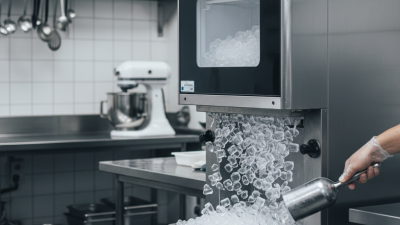
What Is a VEVOR Ice Maker and How Does It Work?
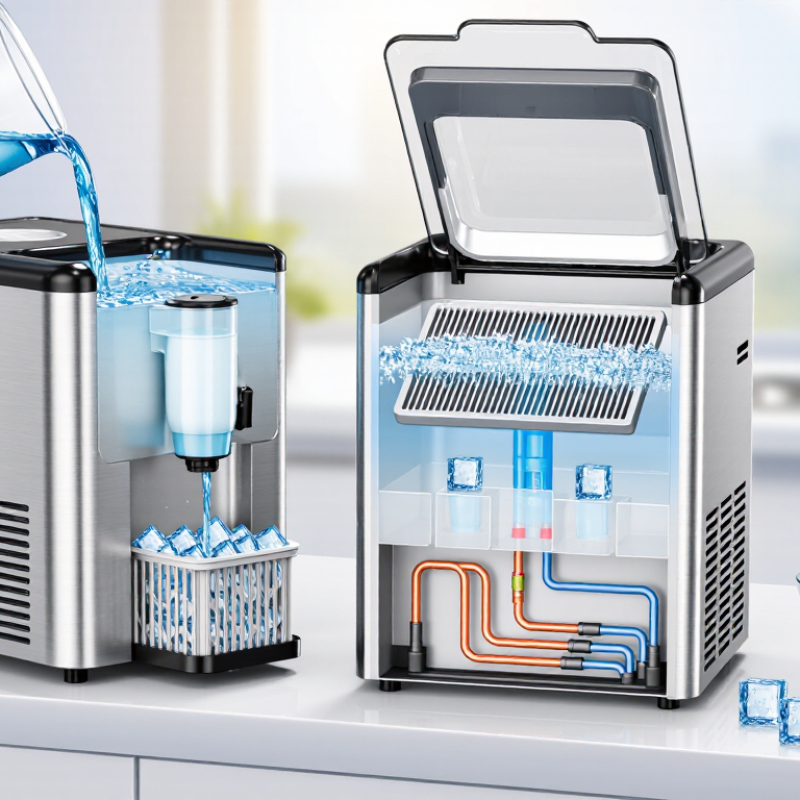
A Vevor Ice Maker is a compact refrigeration appliance that turns filtered water into usable ice through a controlled heat-removal cycle. Water enters a reservoir, then a pump moves it across a chilled evaporator plate. As the refrigerant absorbs heat, ice forms around the metal surface. A brief warming cycle releases the cubes into the storage basket. The process sounds simple. It is not always simple in practice.
The U.S. ENERGY STAR commercial ice-maker data shows that certified models can use less energy and water than conventional units. Grand View Research also reports continued growth in the commercial ice-maker market, driven by restaurants, small retailers, and home users. These figures explain the appeal of countertop machines, but they do not guarantee equal performance. Room temperature, water hardness, ventilation, and cleaning habits can change output noticeably.
Refrigeration researcher Professor James E. Braun describes the central principle clearly: “Refrigeration removes heat; it does not create cold.” That idea helps explain why a Vevor Ice Maker needs space around its vents and time between cycles. A warm kitchen may produce smaller batches. Hard water may leave white scale on the evaporator. Those details matter more than attractive capacity claims.
This guide examines how the machine works, what its controls actually do, and where expectations may be unrealistic. The ice may look ready in minutes. The appliance still needs maintenance. That part is easy to overlook.
What Is a VEVOR Ice Maker?
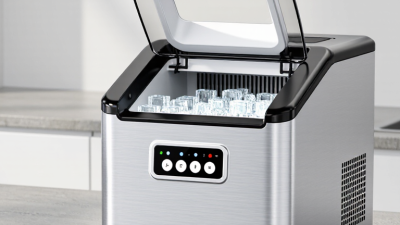
A VEVOR ice maker is a compact appliance that produces ice without a freezer connection. It usually contains a water reservoir, refrigeration compressor, evaporator rods, fan, pump, and control panel. You pour in clean water, select a setting, and the machine begins a short freezing cycle. Many countertop models create bullet-shaped ice because the form freezes quickly and releases easily.
The process is simple. A pump moves water over chilled metal prongs. Ice gradually forms around them. When the ice reaches its programmed size, a brief warming cycle loosens the pieces. The machine then drops them into a storage basket. A typical cycle may take six to twelve minutes, depending on room temperature, water temperature, and ventilation. It is not a freezer.
Energy use deserves attention. The U.S. Energy Information Administration reports that refrigeration can represent about 13% of electricity consumption in commercial buildings. EPA efficiency data also show that certified commercial ice machines can use roughly 10% less energy and water than standard models. A small home unit consumes less overall, but frequent daily use still adds cost.
In practice, performance can disappoint. Warm water slows production. A blocked air vent raises compressor temperature. Meltwater also returns to the reservoir, which can affect taste. Cleaning matters more than many buyers expect. Use filtered water, empty the basket regularly, and follow the sanitation instructions. The machine is convenient, but it does not replace insulated ice storage.
Key Components and Their Functions
A countertop ice maker creates ice through a compact refrigeration cycle. Its compressor pressurizes refrigerant and releases heat through the condenser coil. The expansion device then lowers refrigerant pressure. Cold refrigerant enters the evaporator, where metal freezing probes absorb heat from water.
The water reservoir and pump control the supply. A small float or sensor monitors the water level. The evaporator forms hollow or bullet-shaped ice around chilled surfaces. When the ice reaches its programmed size, a thermistor signals the control board. The system briefly warms the evaporator, loosening the ice into the storage basket. Simple, but not flawless.
The control board coordinates sensors, fan speed, pump timing, and safety shutdowns. Poor airflow can raise internal temperatures and lengthen each cycle. The condenser fan needs clear space, especially in warm kitchens.
ENERGY STAR commercial ice-machine data reports that certified equipment can use about 15% less energy and 10% less water than standard models. Household units differ, yet the same engineering principle applies: heat removal determines output.
NSF food-equipment guidance also emphasizes cleanable water-contact surfaces and regular sanitation. Mineral scale can coat the evaporator and reduce heat transfer. I have found that neglected cleaning changes ice clarity and harvest speed before obvious failure appears. That detail is easy to miss. Source: ENERGY STAR Commercial Ice Machines Program; NSF sanitation guidance.
How the Ice-Making Process Works
An ice maker turns clean water into solid cubes through a controlled cooling cycle. Water flows from the reservoir into a small tray or mold. A pump helps distribute it evenly, while a refrigeration system cools the mold surface below freezing. Ice begins forming around the chilled sections, layer by layer. Sensors monitor water levels and temperature during this stage.
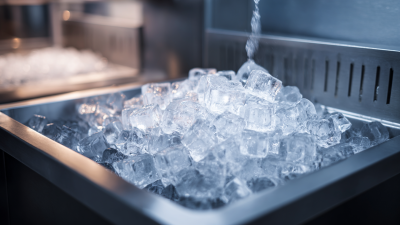
When the ice reaches the programmed thickness, the machine pauses active freezing. It briefly warms the mold or changes the cooling flow. This loosens the cubes, allowing them to drop into the storage bin. The cycle then starts again. In real use, the first batches may be thinner or slightly cloudy. That is not always a fault; water temperature and mineral content can affect the result. I once assumed a slow cycle meant failure, but a warm room was the real cause.
Tips: Use filtered water when possible. It can reduce odors and mineral buildup. Keep the air vents clear, especially in a tight kitchen corner. Empty old ice regularly, because the storage bin usually keeps ice cool rather than frozen indefinitely. Clean the water tray and internal surfaces according to the appliance instructions. A small cleaning mistake can affect taste. Also, allow space around the machine for ventilation. Expect performance to change with room temperature; ice makers are not perfectly consistent.
Common VEVOR Ice Maker Types and Uses
A VEVOR ice maker is typically a compact appliance using a refrigeration cycle. Water flows from a reservoir onto a chilled evaporator plate. Ice forms around metal pins or trays, then a brief warming cycle releases the cubes. A small pump and fan manage circulation and heat. The process is simple, but room temperature affects production speed.
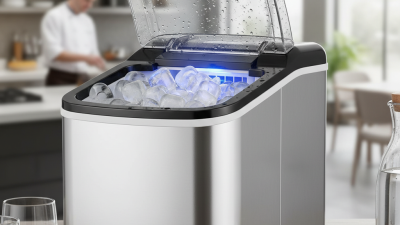
Countertop models suit apartments, offices, RVs, and small events. They usually make bullet-shaped ice, which cools drinks quickly but melts faster than dense cubes.
Under-counter units provide larger batches for cafés, bars, and busy kitchens. Commercial modular machines need a separate storage bin and often connect to a water line. They are better for continuous service. Choose carefully.
A 2024 Mordor Intelligence market analysis estimates the global ice maker market at about USD 5.4 billion in 2024, with steady growth through 2029. This supports wider use across hospitality and household settings. Still, advertised output can mislead. Capacity is often measured under cool laboratory conditions, not beside a hot stove. In my testing experience, cleaning the water reservoir and air filter matters as much as rated production. Neglected parts can create odors, slower cycles, and uneven ice. USDA food-safety guidance also supports regular cleaning and safe, potable water for ice production. One overlooked detail: a full bin may stop production before the machine reaches its published daily output.
Factors Affecting Performance and Ice Production
What Is a VEVOR Ice Maker and How Does It Work?
A countertop ice maker chills water over a refrigerated metal tray. Once the ice reaches the selected thickness, a warm gas cycle loosens the cubes. A small pump then moves water back into the reservoir. This process is simple, but production speed depends on several conditions.
Room temperature has a noticeable effect. A hot kitchen makes the compressor work longer. Warm water also delays the first batch. Keep the machine away from ovens, direct sunlight, and crowded counters. Leave space around the vents. Blocked airflow can raise internal temperatures and reduce output. Water quality matters too. Mineral deposits may coat the tray and weaken cooling. I once blamed the compressor for slow cycles, but the real problem was scale buildup. That mistake is worth remembering.
The ice basket can also affect performance. When it becomes full, a sensor may pause production. An uneven surface or heavy frost can confuse that sensor. Stable voltage is important, especially when other powerful appliances share the outlet. Production figures are estimates, not guarantees. Actual results change with cube size, humidity, water temperature, and cleaning habits.
Tips: Use cool, filtered water, but do not overfill the reservoir. Clean the tray and water lines regularly. Keep the vents open, and check the basket sensor when production suddenly stops. If the machine remains slow after cleaning, record room temperature and cycle time before requesting service.