Top 10 Ice Machines for Home Use What You Need to Know?
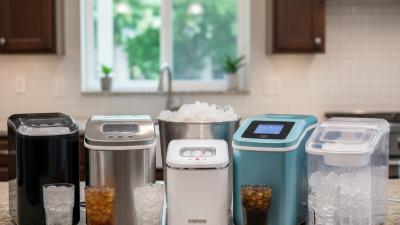
When considering an ice machine for home use, it's essential to understand your options. An ice machine can transform your daily routines and elevate your gatherings. Whether you're hosting friends or simply enjoying a cold drink, having the right ice machine can make a significant difference.
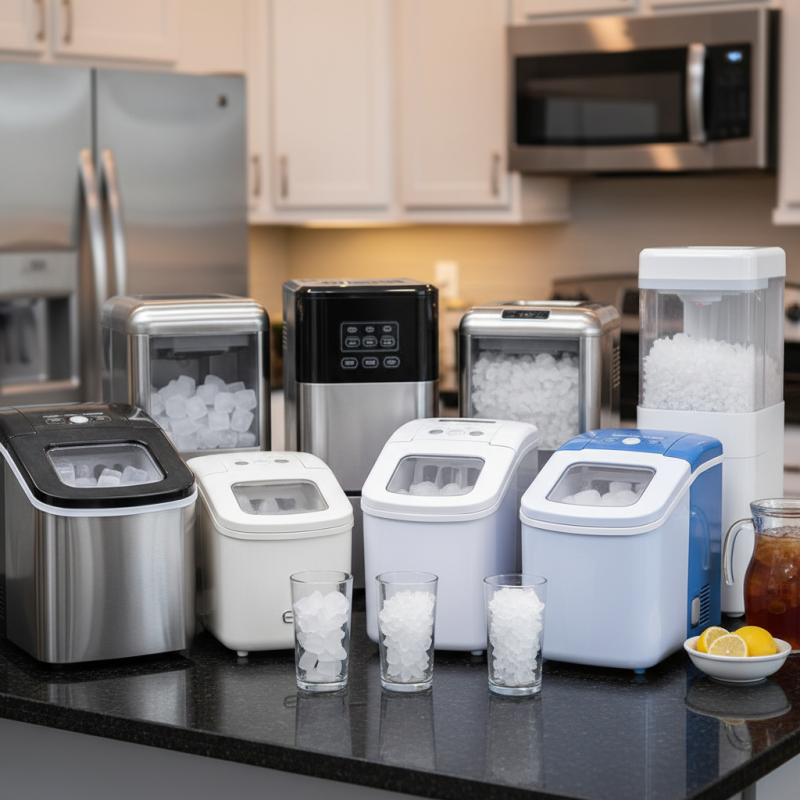
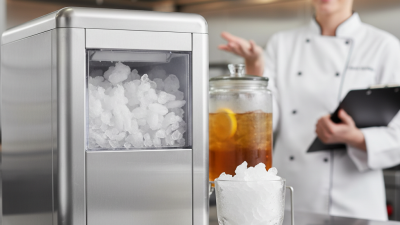
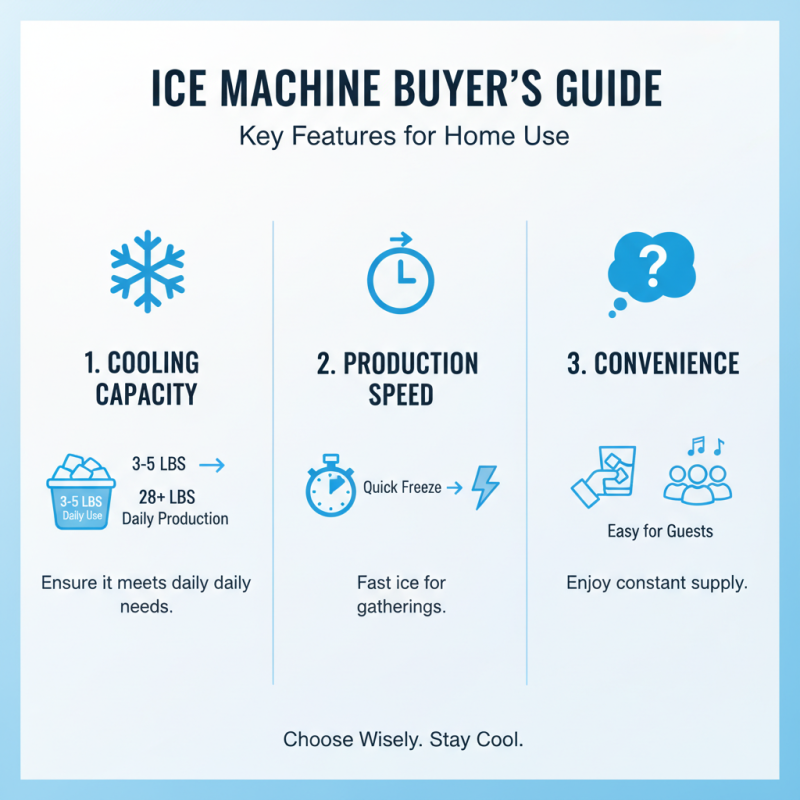
Choosing the best ice machine for home involves several factors. You need to assess the type of ice you prefer: nugget, cubed, or flaked. Each has its unique qualities and uses. Additionally, think about the machine's size and production capacity. Will it meet your needs during a summer party?
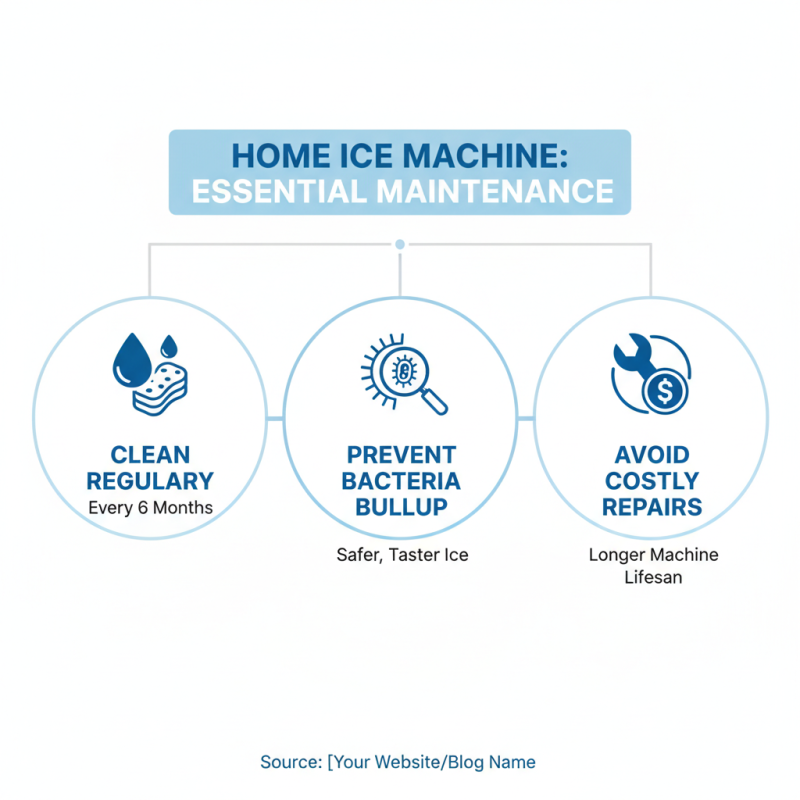
It's also crucial to consider reliability and maintenance. Some machines require more upkeep, impacting their efficiency. Remember, the most expensive model isn't always the best choice. Take your time to reflect on your needs and potential drawbacks before making a decision. A well-informed choice can lead to many enjoyable moments with your ice machine for home.
Types of Ice Machines Suitable for Home Use
When choosing an ice machine for home use, understanding the types available is crucial. There are three main types: portable, under-counter, and countertop ice machines. Portable machines are small and easy to move, making them ideal for parties or outdoor gatherings. They typically produce a small quantity of ice quickly, which can be perfect for casual use.
Under-counter machines are more permanent fixtures. They fit underneath countertops and offer higher production rates. This type is suitable for families or frequent entertainers. They require proper installation and plumbing connections, which could be a drawback for some. Countertop machines are versatile and provide a middle ground. They are user-friendly and require limited space, yet still produce ample ice.
Each type has its pros and cons. Portable machines may lack capacity over time. Some users find that under-counter units can be noisy. It's essential to evaluate your needs realistically. Consider how often you need ice and the space available. Reflect on your lifestyle to make the best choice.
Top 10 Ice Machines for Home Use: Ice Production Capacity
Top Brands to Look for in Home Ice Machines
When considering home ice machines, focusing on trusted brands is essential. The market shows consistent growth, with the home appliance sector projected to reach $31 billion by 2025, driven by increasing demand for convenient home products. Many brands emphasize reliability and performance, making it crucial to choose wisely.
Companies that specialize in ice machines often prioritize quality materials. Stainless steel designs are more durable and easier to clean. A report by the Appliance Manufacturers Association indicates that consumers value longevity in their purchases. Many reputable brands also offer warranties, signaling their commitment to quality. However, not all machines meet expectations. Some users report noise issues or slower production rates than advertised. Research indicates that 30% of consumers experience disappointment due to misaligned expectations.
Finally, energy efficiency is a key factor for many buyers. With rising electricity costs, selecting an ice machine that conserves energy can save money long-term. Studies suggest energy-efficient models can reduce operational costs by up to 20%. As you explore options, remember that brand reputation often correlates with performance and reliability. Prioritize manufacturers known for innovation and customer support.
Common Issues and Troubleshooting for Ice Machines
Ice machines can be fantastic appliances for home use, but they aren't without issues. Common problems include low ice production, clumping, and strange noises. Low ice production may result from a clogged filter or insufficient water supply. Regularly checking and cleaning filters can make a difference. If the ice clumps together, it might indicate high humidity or a malfunctioning control system. Maintaining a consistent, dry environment can prevent this.
Another frequent issue is noisy operation. Unusual sounds can indicate a problem with the motor or the compressor. It's worth considering that faulty components may not always present obvious signs. Regular maintenance can help address some of these concerns. Listening carefully to changes in sound can help users identify potential issues early. Additionally, users should understand that ice machines require proper setup and installation for optimal function. When things go wrong, troubleshooting methods are essential.