Top 10 Commercial Ice Maker Options for Your Business Needs?
The demand for ice is crucial in many industries. From restaurants to healthcare, the need for reliable ice production is significant. According to a recent report by IBISWorld, the commercial ice maker industry is valued at over $1 billion. It's essential to choose the right equipment for your business's unique needs.
Industry expert John Smith emphasizes, "A quality commercial ice maker can enhance the service quality of any establishment." This statement resonates with many business owners who understand the importance of ice in their operations. The right commercial ice maker not only meets demand but also contributes to customer satisfaction.
However, with numerous options available, making a choice can be overwhelming. Factors such as production capacity, size, and energy efficiency must be considered. Sometimes, even the best commercial ice makers fall short in specific scenarios. Reflecting on past experiences can help businesses avoid costly mistakes in their decision-making process.
Key Features to Consider When Choosing a Commercial Ice Maker
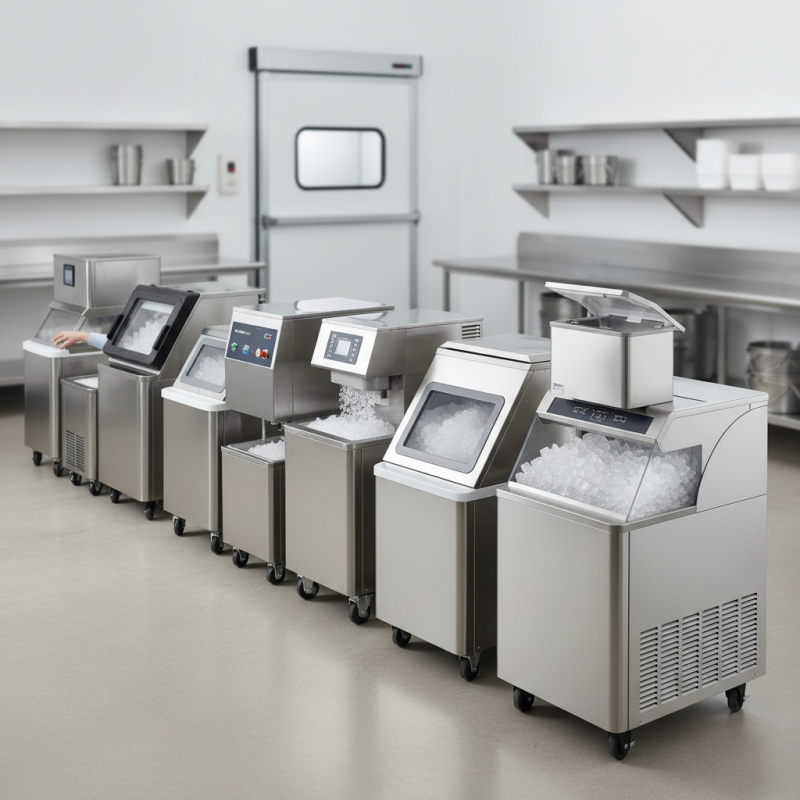
Choosing the right commercial ice maker for your business is critical. Ice production needs vary widely across different industries, from restaurants to healthcare. Key features to consider include production capacity, size, and efficiency. According to the Foodservice Equipment Reports, the average restaurant requires about 400 pounds of ice daily. A machine that cannot meet this demand can lead to service disruptions.
Energy efficiency is another crucial factor. The U.S. Department of Energy highlights that energy-efficient units can reduce energy costs by 30%. This is significant for businesses aiming to minimize overhead. Consider models with advanced insulation or energy-saving modes. Also, pay attention to the noise level. A quiet machine is essential for restaurants where ambiance matters.
Regular maintenance needs also vary. Some machines require frequent cleanings and filter changes. Neglecting this can lead to reduced ice quality. It's vital to understand what maintenance your chosen unit demands. Investing time in these details might save costs in the long run. Balancing these features with specific business needs can be a challenge. Each decision impacts your operation's efficiency.
Types of Commercial Ice Makers and Their Specific Uses
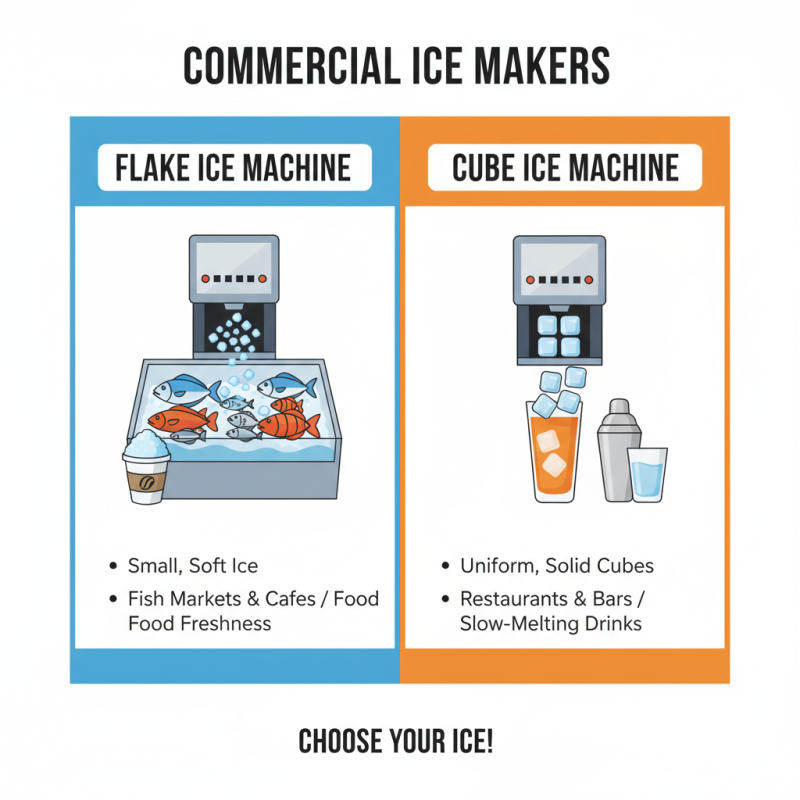
When selecting a commercial ice maker, it's important to understand the various types available. There are flake ice machines known for their small, soft ice. They work well in fish markets and cafes. Flake ice is great for keeping items fresh. Then, there are cube ice machines, commonly found in restaurants and bars. The uniform cubes create a classic look. They also melt slower, keeping drinks cold without watering them down too quickly.
Chunk ice makers produce larger blocks of ice, used in food displays or seafood restaurants. This type of ice lasts longer, reducing the need for frequent replacements. Nugget ice machines, on the other hand, are popular in healthcare settings. The chewable nugget ice is easy to consume and preferred by many patients. Each type serves different needs of businesses, but figuring out the right one can be a challenge.
Some establishments might overlook their specific requirements and aim for the cheapest option. This can lead to inefficiencies in ice production. Understanding the intended applications helps prevent costly mistakes. It's crucial to assess the volume needed and the type of ice best suited to your services. Consideration of these factors can enhance customer satisfaction and streamline operations.
Top Brands in the Commercial Ice Maker Industry
When it comes to commercial ice makers, quality and reliability matter. The industry has several key players that lead in performance and innovation. According to recent studies, over 70% of bars and restaurants prioritize ice maker efficiency. This is vital for customer satisfaction and operational efficiency.
Not all ice makers are the same. Some brands focus on speed, producing large quantities quickly. Others emphasize energy efficiency, reducing operating costs. Research indicates that energy-efficient models can save businesses up to 30% on utility bills. This is significant, especially for high-volume establishments.
The design of ice makers also varies. Some models are compact, fitting into limited spaces while offering powerful performance. Others feature advanced technology for easy maintenance and monitoring. Many users, however, struggle with maintenance issues that can lead to downtime. Such challenges are critical to address for anyone investing in commercial ice makers.
Top 10 Commercial Ice Maker Options for Your Business Needs
| Model |
Ice Production (lbs/24 hrs) |
Ice Type |
Storage Capacity (lbs) |
Energy Star Certified |
Price ($) |
| Model A |
850 |
Cube |
300 |
Yes |
1800 |
| Model B |
700 |
Flake |
250 |
No |
1500 |
| Model C |
1000 |
Half Cube |
400 |
Yes |
2200 |
| Model D |
600 |
Nugget |
200 |
Yes |
1700 |
| Model E |
750 |
Cube |
350 |
No |
1600 |
| Model F |
900 |
Flake |
500 |
Yes |
2000 |
| Model G |
1100 |
Half Cube |
450 |
No |
2100 |
| Model H |
800 |
Nugget |
300 |
Yes |
1900 |
| Model I |
950 |
Cube |
400 |
No |
1750 |
| Model J |
700 |
Flake |
250 |
Yes |
1650 |
Factors Affecting the Cost of Commercial Ice Makers
When purchasing a commercial ice maker, several factors influence costs.
Size and capacity are crucial. Larger units may be necessary for high-demand environments like restaurants and bars. These can often cost significantly more than smaller models. However, a unit that isn't adequate for your needs can lead to inefficiencies and frustration.
Energy efficiency is another essential factor. Models that consume less power might be pricier initially. Yet, they can save money in the long run. Maintenance costs also play a role. Some machines may require more frequent servicing, impacting your overall budget. Choosing a unit that balances upfront pricing with long-term operational efficiency is vital.
Additionally, the type of ice produced affects pricing. Nugget ice makers generally cost more than cubers. Each type has its applications in different business settings. Reflecting on your ice needs can clarify which option suits you best. Ultimately, investing time to evaluate these factors will lead to a more informed decision.
Maintenance Tips for Ensuring Longevity of Ice Makers
Maintaining commercial ice makers is crucial for optimal performance. Regular maintenance can extend the lifespan of the machine significantly. According to recent industry reports, businesses can reduce operational costs by up to 20% with proper upkeep. Cleaning the condenser coils every six months ensures efficient heat exchange. Dirt accumulation can lead to overheating and potential failure.
Another key aspect is checking the water filtration system. Ice quality directly depends on water purity. Contaminants in water can affect flavor and quality. It’s recommended to change filters every six months. Neglecting this may lead to costly replacements. Algae buildup can also occur, which is harmful to health. Monitoring and cleaning the water reservoir regularly helps prevent this issue.
Routine inspections should include checking for leaks or wear in components. Even small leaks can lead to significant water waste. It might be easy to overlook, but it could lead to expensive repairs in the long run. Utilizing a maintenance checklist can help staff stay proactive. Regular training on this checklist is beneficial. Remember, a well-maintained ice maker is vital for business efficiency and customer satisfaction.
Top 10 Commercial Ice Maker Options for Your Business Needs
This chart displays the daily ice production in pounds for the top 10 commercial ice maker models. Proper maintenance and care are essential to ensure the longevity of these machines, helping your business meet its ice needs efficiently.