Top 10 Commercial Ice Maker Machines for Your Business Needs?
In the fast-paced world of food service, having the right equipment is essential. A reliable Commercial Ice Maker Machine can greatly enhance operations. According to industry expert John Smith, “The right ice maker doesn’t just produce ice; it supports your entire business.” This statement underscores the importance of choosing a quality machine for your needs.
Selecting a Commercial Ice Maker Machine involves understanding your specific requirements. Busy restaurants, bars, and hotels depend on efficient ice production for beverages and food preservation. Without an effective machine, service might suffer, leading to lost customers. The market offers a variety of options, each with unique features and specifications.
However, finding the best fit is not always straightforward. Every business has different needs, from ice type to production capacity. Moreover, the reliability of the machine can make or break your operations. Careful consideration and research are vital. Assessing your choices critically ensures you make a sound investment that enhances your business rather than complicates it.
Key Factors to Consider When Choosing an Ice Maker Machine
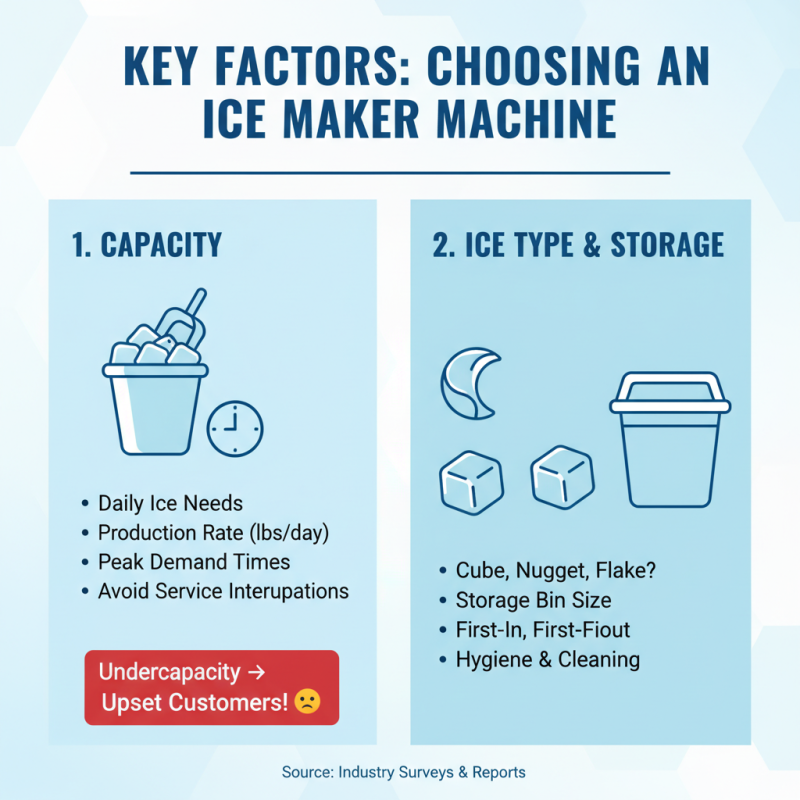
When selecting an ice maker machine for your business, several key factors must be considered. Capacity is crucial. Understand your daily ice needs to choose a machine that can produce enough ice without overburdening your resources. According to industry surveys, businesses that underestimate their ice demand face interruptions in service. This can lead to customer dissatisfaction, particularly in high-demand settings like restaurants or catering services.
Quality is another vital aspect. Look for machines that use durable materials, as this can affect the longevity of the equipment. A report from the Food and Beverage Association indicates that reliable ice quality directly links to better customer reviews and repeat business. Moreover, energy efficiency should not be overlooked. An energy-efficient machine can significantly reduce operational costs, leading to better profit margins.
Maintenance requirements are often neglected. Regular upkeep can prevent expensive repairs and ensure optimal operation. Many operators fail to schedule routine cleaning, leading to performance drops. Statistics show that machines not maintained can reduce ice output by up to 30%. Considering these factors can help make a well-informed decision, ultimately enhancing operational efficiency and customer satisfaction.
Overview of Different Types of Commercial Ice Maker Machines
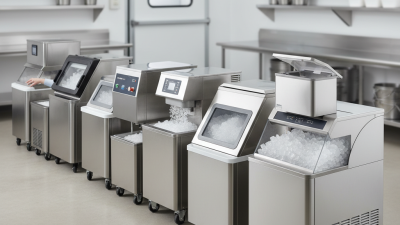
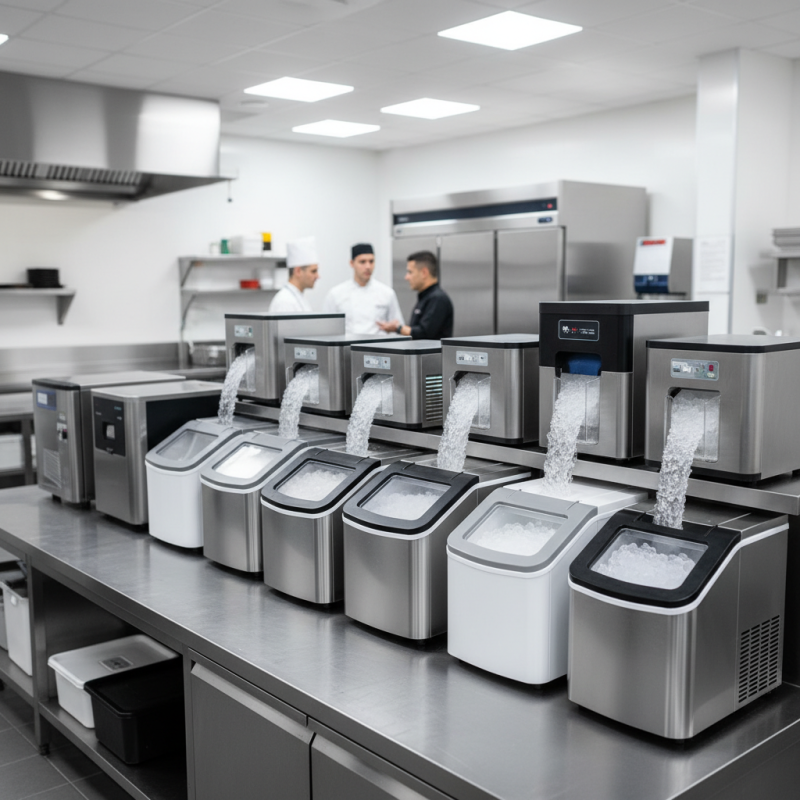
Commercial ice maker machines are vital for a range of food services, from restaurants to bars. Understanding the different types is essential for making the right choice. There are primarily three categories: modular, undercounter, and freestanding ice machines. Each type caters to specific business needs.
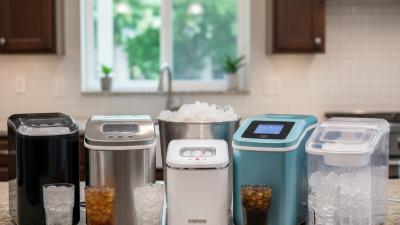
Modular machines excel in high-output environments, often producing over 1,000 pounds of ice daily. In contrast, undercounter models are compact and fit well in smaller areas, suitable for cafes and convenience stores.
Selecting the right type of ice maker can significantly affect your operations. Industry reports indicate that businesses can save up to 30% on energy costs by choosing energy-efficient models. Moreover, keeping the machine clean is crucial for optimal performance and hygiene. Regular maintenance will ensure consistent ice production.
Tips: Always consider your ice requirements based on busy hours. Knowing your peak times can help you select a machine with adequate capacity. Additionally, assess the space available for installation. Avoid overestimating your needs, as a smaller, efficient unit might serve better in limited spaces. Engaging with professionals for insights can further enhance your purchasing decision and avoid costly mistakes.
Top 10 Ice Maker Machines: Features and Specifications
When selecting an ice maker machine for your business, focusing on features and specifications is crucial. A reliable ice maker should produce a consistent supply of ice. Look for machines that offer different ice types to meet various needs. Cubes, flakes, or nuggets can enhance your beverage service.
Capacity is another vital specification. Depending on your business size, you may require a machine that produces ice quickly. Machines that create 500 pounds of ice per day can be essential for high-demand settings. Pay attention to the energy efficiency rating as well. This can influence operational costs and sustainability goals.
Keep in mind the space available for installation. Some models may require more clearance or specialized plumbing. Additionally, regular maintenance is necessary to ensure optimal performance. Filters and condensers can wear out, leading to reduced efficiency. It’s critical to factor in ongoing costs when budgeting for your ice maker. Small oversights can lead to bigger issues down the road. Evaluate your specific requirements carefully before making a decision.
Comparative Analysis of Price and Performance Among Leading Brands
When selecting an ice maker for business needs, price and performance are crucial. A recent industry report highlights that energy-efficient models save 20-30% on utility costs. Businesses must understand that cheaper models often compromise on durability. Performance should not be measured solely by production rates but also by ice quality and machine reliability.
Many models in the market promise high output, yet some users report issues with maintenance. The highest-rated units generally produce consistent ice shapes. This can impact beverage presentation in restaurants or bars. A lack of uniformity can lead to an overlooked detail that affects customer experience. According to industry standards, ice quality significantly influences drink temperature and dilution rates.
In a competitive market analysis, the cost per pound of ice produced is a critical metric. The average commercial ice maker operates at a cost of $1.50 to $3 per 100 pounds of ice, depending on the model. However, higher upfront costs may lead to long-term savings. Choosing the right machine involves weighing initial investments against operational costs carefully. Businesses must continuously evaluate their specific needs to find a balance that suits their demands and budget effectively.
Maintenance Tips for Ensuring Longevity of Ice Maker Machines
Maintaining ice maker machines is crucial for their longevity. Routine care can enhance performance and reduce costly repairs. A clean machine produces ice efficiently. Regularly check the water filter. If it’s clogged, replace it. This simple step can prevent build-up and ensure a consistent ice supply.
Another important tip is to clean the exterior and interior surfaces. Use a mild detergent and a soft cloth to wipe down components. Pay special attention to the ice mold. Dirt accumulation can affect ice quality. Schedule a deep clean every few months to keep machines in top shape.
Monitoring temperature settings is also vital. Ice makers function best at specific ranges. Too low or too high can strain the system. Ensure your machine is in a well-ventilated area. Avoid placing it near heat sources. These actions can significantly impact the lifespan of your ice maker. Regular maintenance leads to better ice quality and fewer interruptions in service.
Top 10 Commercial Ice Maker Machines for Your Business Needs
| Model |
Ice Production (lbs/day) |
Bin Storage (lbs) |
Dimensions (inches) |
Energy Consumption (kWh) |
Price ($) |
| Model A |
600 |
350 |
30 x 28 x 47 |
8.5 |
2,500 |
| Model B |
800 |
450 |
30 x 28 x 50 |
9.2 |
2,800 |
| Model C |
1000 |
600 |
32 x 30 x 53 |
10.5 |
3,200 |
| Model D |
700 |
400 |
28 x 26 x 45 |
8.0 |
2,200 |
| Model E |
550 |
300 |
26 x 24 x 40 |
7.5 |
1,800 |
| Model F |
900 |
500 |
34 x 32 x 55 |
10.0 |
3,000 |
| Model G |
650 |
350 |
30 x 28 x 48 |
8.7 |
2,600 |
| Model H |
800 |
450 |
32 x 30 x 52 |
9.4 |
3,100 |
| Model I |
750 |
400 |
29 x 27 x 46 |
8.8 |
2,700 |
| Model J |
850 |
500 |
34 x 32 x 57 |
10.2 |
3,400 |