Top 5 Small Ice Maker Machines You Should Buy Now?
In recent years, the demand for "Small Ice Maker Machines" has surged. According to a report by IBISWorld, the market for compact ice makers is projected to grow by 5.2% annually. This uptrend reflects the increasing popularity of home entertaining and outdoor activities, where access to ice is essential. Experts like Jack Thompson, a specialist in home appliances, state, “Investing in a reliable small ice maker can transform your gatherings.”
These machines are not just practical but also versatile. They can produce ice on demand, ensuring you never run out during a party. Compact models fit neatly on countertops or in kitchenettes, making them suitable for small spaces. However, not all machines are created equal. It's crucial to choose one that meets your specific ice production needs.
Many users have reported their struggles with malfunctioning units or insufficient ice output. Reviews often highlight the importance of selecting high-quality brands to avoid these issues. A thoughtful purchase can greatly enhance your culinary experiences. With various options available, picking the best small ice maker machine requires careful consideration.
Introduction to Small Ice Maker Machines
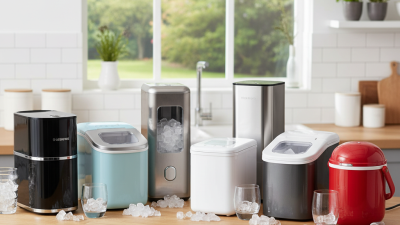
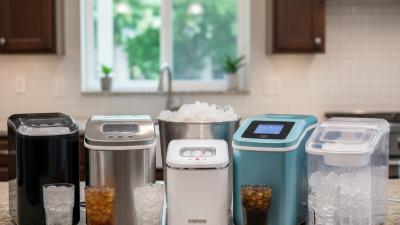
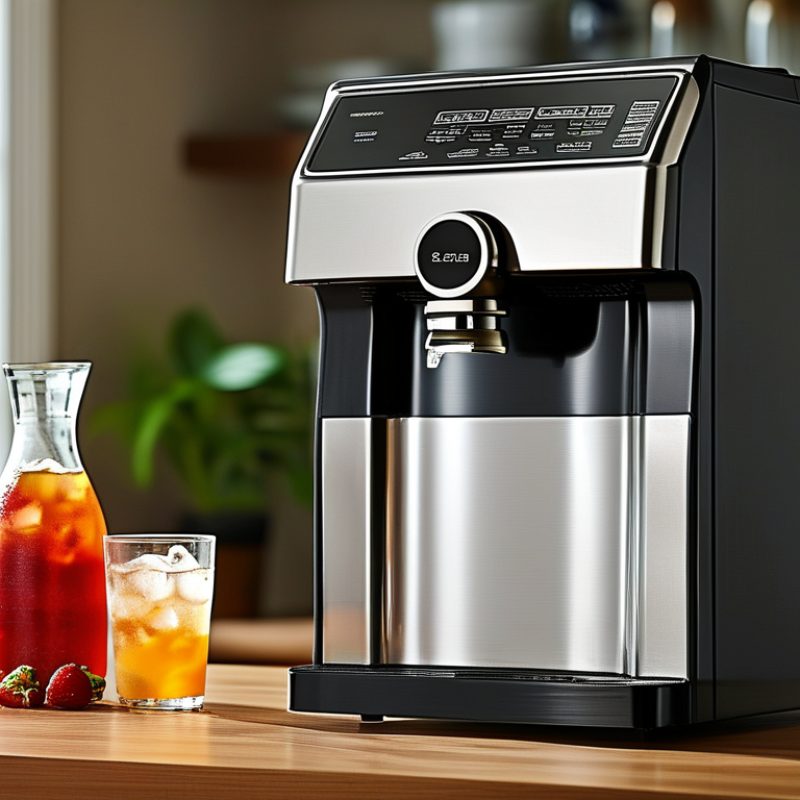
Small ice maker machines have become essential for many households and events. They provide convenience and efficiency in producing ice at home. When you need ice for drinks or cool salads, a small unit can quickly deliver just what you require. These appliances are compact, making them easy to store in kitchens or take on trips. Many models can produce ice in under 10 minutes, enhancing their appeal to users.
Choosing the right ice maker requires attention to detail. Different models vary in production capacity, size, and functionality. Some machines offer features like self-cleaning options and varying sizes of ice cubes. However, not all machines operate quietly. Noise can be an issue in small spaces, so it's important to research user reviews. Finding a dependable unit might take time but is worthwhile for regular use.
It's essential to remember that owning an ice maker comes with responsibilities. Regular maintenance and cleaning prolong a machine's life. Ice makers often need to be cleared of mineral buildup. Failure to do this can lead to malfunctions or subpar ice quality. Therefore, being proactive about care can help you avoid potential disappointments.
Top 5 Small Ice Maker Machines You Should Buy Now
Key Features to Consider When Selecting an Ice Maker
When selecting a small ice maker machine, there are key features to consider. First, focus on the production capacity. A machine that produces ice quickly is essential for events or gatherings. Look for options that can make a batch in under 10 minutes. This can significantly enhance the experience during parties or hot summer days.
Energy efficiency is another important aspect. Machines that consume less power not only save money but also help the environment. It’s worthwhile to research models that have energy-saving features. Noise level is often overlooked. Some ice makers can be quite noisy, which might disrupt your home ambiance.
Finally, check the water reservoir size. A larger reservoir means less frequent refilling. However, keep in mind that larger machines may take up more counter space. A balance between size and functionality is crucial. Each of these factors contributes to a reliable ice-making experience. Explore your options thoroughly to find the perfect fit for your needs.
Top 5 Small Ice Maker Machines for Home Use
When looking for small ice maker machines, there are several factors to consider for home use. Compact models can easily fit into kitchens, home bars, or even small dining areas. These machines generally produce ice quickly and efficiently, making them perfect for gatherings or a quiet evening at home.
Choosing the right machine can feel overwhelming. Look for features like ice size options, production speed, and energy efficiency. Some machines do not last long, causing frustration. A reliable ice maker should consistently produce ice without frequent breakdowns. Users often overlook the noise level, which can be quite bothersome in a peaceful home environment.
Many models now include user-friendly interfaces, making them easier to operate, even for those less tech-savvy. However, the learning curve can vary. It’s essential to understand the maintenance requirements to keep your machine running smoothly. Some units might need regular cleaning or adjustments, which can be seen as a hassle. Investing in a quality small ice maker involves balancing features with ease of use and reliability.
Comparative Review of the Leading Ice Maker Models
When considering a small ice maker, it's essential to analyze various leading models. Recent studies indicate that a high-performing ice maker can produce 28 pounds of ice daily, making them popular for home use. Also, energy efficiency is crucial; energy-efficient models can save up to 40% on energy bills compared to older versions. Reviews suggest that the noise level should be less than 40 decibels for a more enjoyable experience.
User feedback is invaluable for gauging performance. Some users report that certain models take longer to freeze ice. This delay can be frustrating, especially during gatherings. It's advisable to look for models with shorter ice-making cycles, ideally around 6 to 15 minutes per batch, ensuring a steady supply.
Consider the size and capacity of the machines. A model that fits under the counter may be preferable for smaller kitchens. Portability is vital too; some units weigh under 30 pounds and can be moved easily. Finding a balance between size and capacity can be challenging, yet it's essential for optimal usage.
User Tips for Maintaining and Optimizing Ice Makers
Maintaining your ice maker is crucial for optimal performance. Regular cleaning is essential to prevent mineral buildup. This buildup can impact ice quality and machine efficiency. According to a report by the Food and Drug Administration, nearly 80% of ice machines exhibit signs of contamination. Regularly disinfecting the water system will help achieve cleaner ice.
Monitoring your ice consumption is also important. Each ice maker has a specific capacity, and exceeding that can lead to operational issues. Research shows that overloading your machine can reduce its lifespan by 30%. Pay attention to when the ice bin is full. This prevents unnecessary wear and tear.
Water quality plays a role too. Using filtered water can enhance ice clarity. Unfiltered water can introduce impurities, affecting taste and ice integrity. A study from the European Ice Association highlights that communities using high-quality water sources have better ice machine performance. Consider testing your water periodically for optimal results.
Top 5 Small Ice Maker Machines You Should Buy Now
| Model |
Ice Production (lbs/day) |
Ice Storage (lbs) |
Dimensions (inches) |
Price ($) |
| Model A |
26 |
5 |
11 x 14 x 15 |
129.99 |
| Model B |
28 |
6 |
12 x 15 x 14 |
139.99 |
| Model C |
35 |
8 |
13 x 18 x 17 |
199.99 |
| Model D |
24 |
4 |
10 x 12 x 12 |
99.99 |
| Model E |
30 |
7 |
14 x 16 x 16 |
169.99 |