10 Tips for Buying a Commercial Ice Machine
Buying a Commercial Ice Machine is a practical decision, not a simple equipment purchase. It affects service speed, storage space, water use, energy costs, and daily sanitation. A busy seafood restaurant may need hundreds of pounds of cube ice each day, while a small café may need far less. Guessing can become expensive.
Commercial refrigeration consultant John P. Donohue advises, “Size the machine for measured demand, not hopeful demand.” That principle deserves attention. Before comparing brands, buyers should record peak sales, ice used per shift, storage capacity, water quality, drainage access, and available electrical service. Cube, flake, and nugget ice also serve different purposes. Clear cubes suit cocktails. Flake ice protects displayed seafood. Nugget ice supports beverages and customer preference.
The ten tips in this guide examine those details closely. They cover production capacity, machine type, condenser selection, installation space, filtration, cleaning access, warranty terms, and after-sales support. They also address a commonly missed issue: recovery time after a busy service period. A machine that meets average demand may still fail during lunch or dinner peaks.
Small details matter.
A warm kitchen can reduce production. Hard water can shorten component life. Poor ventilation can raise operating costs. Buyers should request written specifications, service procedures, and realistic output data. Manufacturer claims are useful, but they are not the whole story. Local technicians, operating conditions, and staff habits can change results. Even experienced operators sometimes choose too quickly. This guide encourages a slower, evidence-based decision, with room to reconsider assumptions before signing a purchase order.
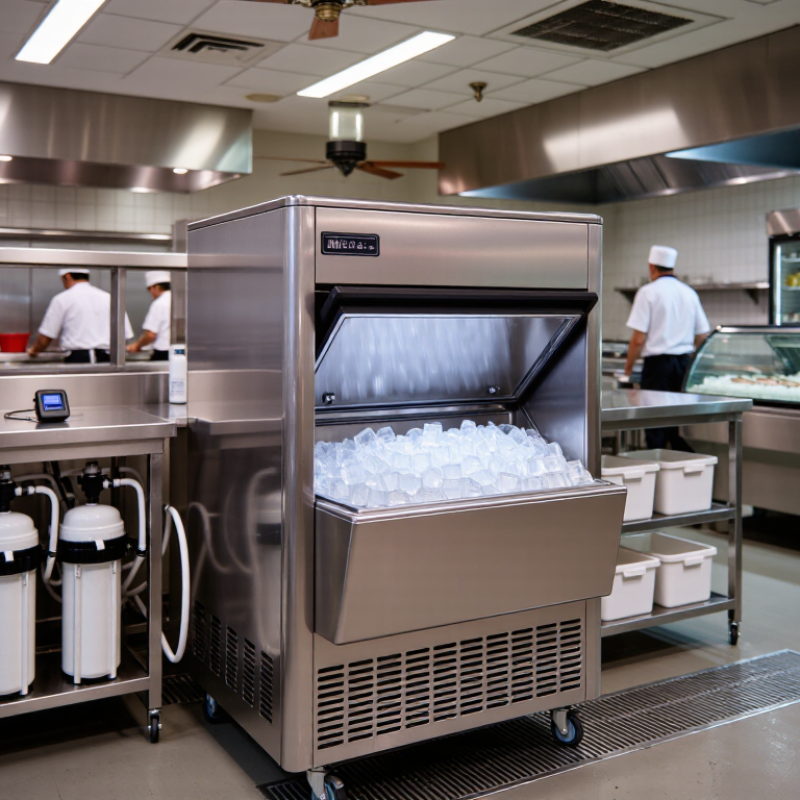
Define Your Ice Demand and Daily Production Requirements
Define Your Ice Demand and Daily Production Requirements
Before buying a commercial ice machine, measure how much ice your operation actually uses. A busy café may need ice for drinks, display bins, food preparation, and staff handling. Estimate each use separately instead of relying on a daily guess. Peak hours matter.
Record ice usage for at least three typical days, including one unusually busy day. Count drink sales, average ice per drink, food storage needs, and delivery schedules. Then calculate the total daily demand. Add a practical reserve of 15 to 25 percent for heat, spills, cleaning, and unexpected orders.
Do not confuse storage capacity with production capacity. A machine may produce enough ice daily but hold too little during a lunchtime rush. Check how quickly it recovers after the storage bin becomes empty. Measure the available space, water supply, drainage, ventilation, and room temperature. These conditions can reduce real output.
My first estimate would be based on normal sales, but that can be misleading. A sudden event or hot afternoon changes demand quickly. That mistake matters. Review sales data monthly and adjust your target as the business grows. When comparing equipment, use verified production figures from technical documents, not only sales descriptions. A qualified installer can also assess site conditions and identify capacity risks before purchase.
Check Machine Capacity, Storage Space, Utilities, and Ventilation
Buying a commercial ice machine starts with capacity, not appearance. AHRI Standard 810 measures production under defined conditions, including air and water temperatures. Real kitchens are warmer, busier, and less predictable. Select daily output above your calculated demand, especially during lunch and dinner peaks. A practical buffer of 20% can reduce shortages, though it may increase purchase and operating costs. I would not size from an average day alone.
Storage space needs equal attention. A machine producing 500 pounds daily may not need a 500-pound bin. Delivery schedules, peak service, and available freezer space matter more. Keep the bin accessible for cleaning and safe scooping. Leave clearance around doors and panels. Measure twice. I have seen equipment fit on paper but fail when staff open the bin door.
Utilities can quietly limit performance. Check electrical voltage, drain height, water pressure, and filtration requirements before ordering. The U.S. Environmental Protection Agency reports that ENERGY STAR-certified commercial ice machines use about 10% less energy and 20% less water than standard models. Those savings depend on correct installation and maintenance. Ventilation is equally important. Heat rejected into a small kitchen can raise room temperature and reduce production. ASHRAE’s refrigeration guidance supports evaluating heat load, airflow, and ambient conditions together. Do not place the condenser beside an oven or blocked wall. That mistake is easy to make, and expensive to ignore.
Compare Hygiene Features, Energy Efficiency, and Operating Costs
10 Tips for Buying a Commercial Ice Machine
Compare hygiene features before admiring production capacity. A cleanable interior, removable parts, and smooth surfaces reduce hidden residue. Look for automatic cleaning cycles, but do not treat them as magic. Staff must still inspect drains, scoops, and storage bins. Tip 1: Open the access panels. If routine cleaning feels awkward, it probably will be skipped during a busy shift. Ice should be handled with a dedicated scoop, never bare hands.
Energy efficiency affects every batch, especially in restaurants serving drinks all day. Check the machine’s water and electricity consumption under realistic operating conditions. A higher purchase price may repay itself through lower monthly bills. However, published figures may reflect ideal testing. Your kitchen could be hotter, dustier, or poorly ventilated. Tip 2: Ask for performance data at your expected room temperature. Measure the outlet later, too. Small details matter.
Operating cost includes filters, sanitation supplies, repairs, water, and labor. Record these expenses for similar equipment before choosing a model. Tip 3: Estimate the cost per kilogram of usable ice, not just daily output. Melted ice is wasted money. I have seen buyers focus on capacity and overlook service access. That mistake can turn a simple repair into several hours of downtime. Review maintenance instructions with the installer, and confirm that trained technicians and replacement parts are realistically available.
Assess Durability, Maintenance, Warranty Coverage, and Service Support
10 Tips for Buying a Commercial Ice Machine
Tip 1: Inspect the cabinet, hinges, drain fittings, and ice-contact surfaces. Stainless steel should feel rigid, not thin or sharply finished. Tip 2: Ask for the expected production rate under your actual kitchen conditions. Warm rooms can reduce output noticeably. Tip 3: Check compressor and fan access. Easy access saves valuable service time. Tip 4: Review cleaning requirements before purchasing. A machine needing weekly attention may challenge a busy team. Tip 5: Confirm whether filters, water valves, and sensors are readily replaceable. Rare parts create costly delays. Tip 6: Request a written maintenance schedule. Do not rely on sales promises alone.
Tip 7: Read the warranty carefully, including labor coverage, exclusions, and response times. Some warranties sound broad but protect only major components. Tip 8: Ask who performs repairs in your area. A distant technician is not practical during a weekend failure. Tip 9: Get service contacts and escalation procedures in writing. Keep them near the machine. Tip 10: Speak with an experienced installer about ventilation, water quality, drainage, and electrical capacity. These details often decide whether the equipment performs reliably.
During field inspections, buyers often focus on daily ice volume and overlook downtime. I have made that mistake myself. A strong machine still becomes a poor investment when cleaning is awkward or service support is vague. Test the door, listen for unusual vibration, and inspect the first cleaning process. It may feel excessive. It is cheaper than discovering weaknesses after installation.
10 Tips for Buying a Commercial Ice Machine
Assess Durability, Maintenance, Warranty Coverage, and Service Support
The chart presents a practical evaluation framework for commercial ice machine purchases. Durability and maintenance receive the highest weighting because equipment lifespan, cleaning requirements, water quality, ventilation, and preventive service strongly influence total ownership cost. Warranty coverage and service support should also be verified before purchase, including response times, labor coverage, parts availability, and authorized repair options.