What is a Table Top Ice Maker and How Does It Work?
In recent years, the demand for convenient home appliances has surged, with the Table Top Ice Maker emerging as a popular choice among consumers. These compact machines allow users to produce ice on demand, catering to various settings—from casual home usage to more sophisticated small business applications. According to a report by Grand View Research, the global market for ice-making machines is projected to reach $2.5 billion by 2025, highlighting the growing popularity of easy-to-use ice solutions like the Table Top Ice Maker.
Industry expert Dr. Emily Carter, a leading figure in home appliance innovation, affirms that "the Table Top Ice Maker is redefining how we think about ice production. It provides unmatched convenience, enabling users to enjoy fresh ice in seconds without the hassle of traditional ice trays." With its user-friendly design and efficient ice-making capabilities, this appliance meets the evolving needs of modern households and small enterprises alike. As they increasingly prioritize convenience and efficiency, consumers are turning to Table Top Ice Makers to ensure that they are always equipped with ice for their drinks, parties, and more.
What is a Table Top Ice Maker? Definition and Key Features
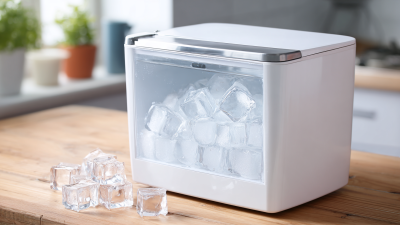
A table top ice maker is a compact appliance designed to produce ice quickly and efficiently, catering to both residential and small commercial needs. Typically featuring a user-friendly interface, these machines can generate different ice sizes, which is a sought-after feature for users looking to customize their ice for various beverages. According to industry reports, the global portable ice maker market is expected to grow significantly, projecting a compound annual growth rate (CAGR) of around
8% from 2021 to 2026. This reflects an increasing demand for convenience in food and beverage preparation at home and in smaller establishments.
Key features of table top ice makers include their compact design, ease of use, and fast production time. Most models can produce ice in as little as 6 to 15 minutes, depending on the size and production capacity. Many units come with a built-in water reservoir, which can hold enough water for several batches of ice, eliminating the need for constant refilling.
Furthermore, these ice makers often incorporate energy-saving technology and self-cleaning functions, making them not only efficient but also environmentally friendly. The convenience of having fresh ice readily available at your fingertips has led to a surge in their popularity, especially in urban areas where space is at a premium.
The Mechanism Behind Table Top Ice Makers: How They Create Ice
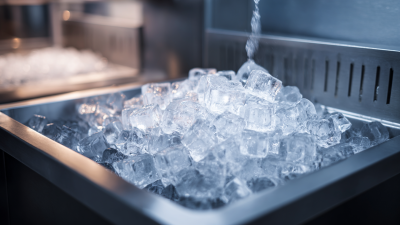
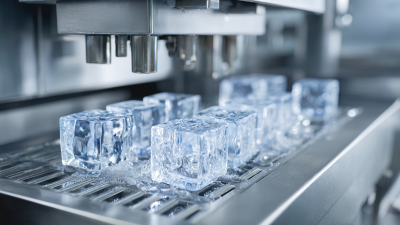
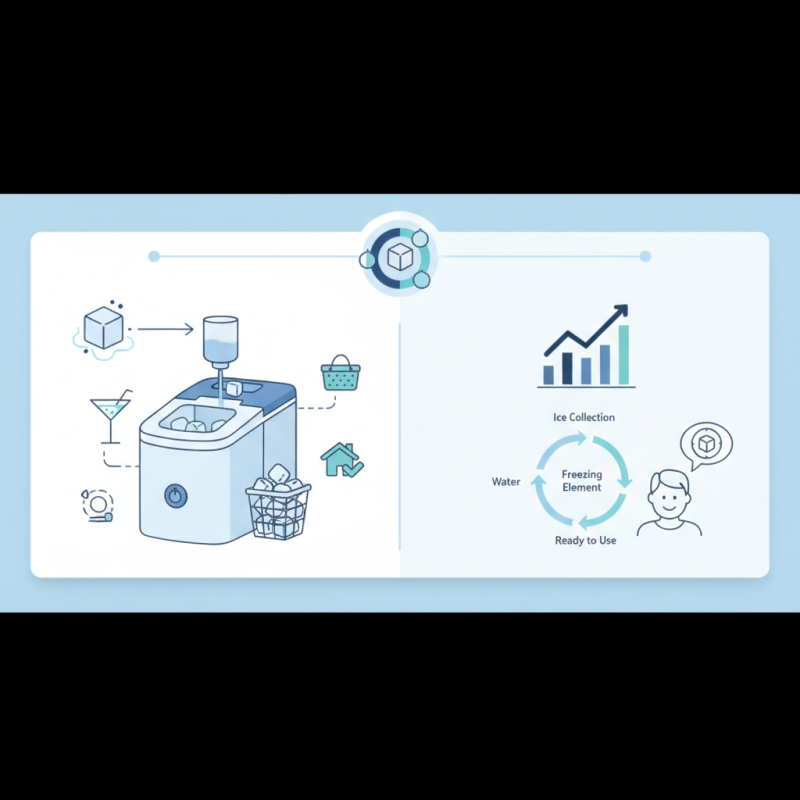
Table top ice makers are compact appliances designed to produce ice quickly and efficiently, making them an ideal choice for households and small businesses. These machines typically operate on a basic principle involving the refrigeration cycle, which includes the processes of condensation and evaporation. When water is added to the machine's reservoir, a pump circulates the water to an ice-making mold, where it is cooled by a refrigerant. As the refrigerant evaporates, it absorbs heat from the mold, causing the water to freeze into ice cubes.
According to recent industry reports, the global table top ice maker market is projected to grow steadily, with a compound annual growth rate (CAGR) of approximately 6% over the next five years. This growth is driven by increasing consumer demand for convenient and portable ice-making solutions in various settings, including home bars, outdoor gatherings, and small restaurants. Additionally, advancements in cooling technology, such as the use of energy-efficient compressors, enhance the performance of these machines, allowing them to produce ice in a shorter amount of time while consuming less energy.
The effectiveness of a table top ice maker largely hinges on its cooling mechanism. Most models utilize a heat exchange system that efficiently transfers heat away from the water, enabling rapid freezing. Many devices feature an automatic shutdown mode once the ice bin is full, ensuring energy efficiency and user convenience. As technology continues to evolve, these machines are becoming increasingly sophisticated, with features like integrated water filtration systems and smart connectivity options, further enhancing their appeal to consumers looking for both functionality and ease of use.
Ice Production Capacity of Table Top Ice Makers
Comparison of Ice Types: Nugget vs. Bullet vs. Cube Ice Makers
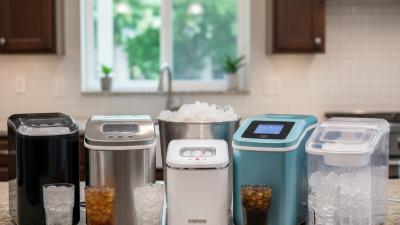
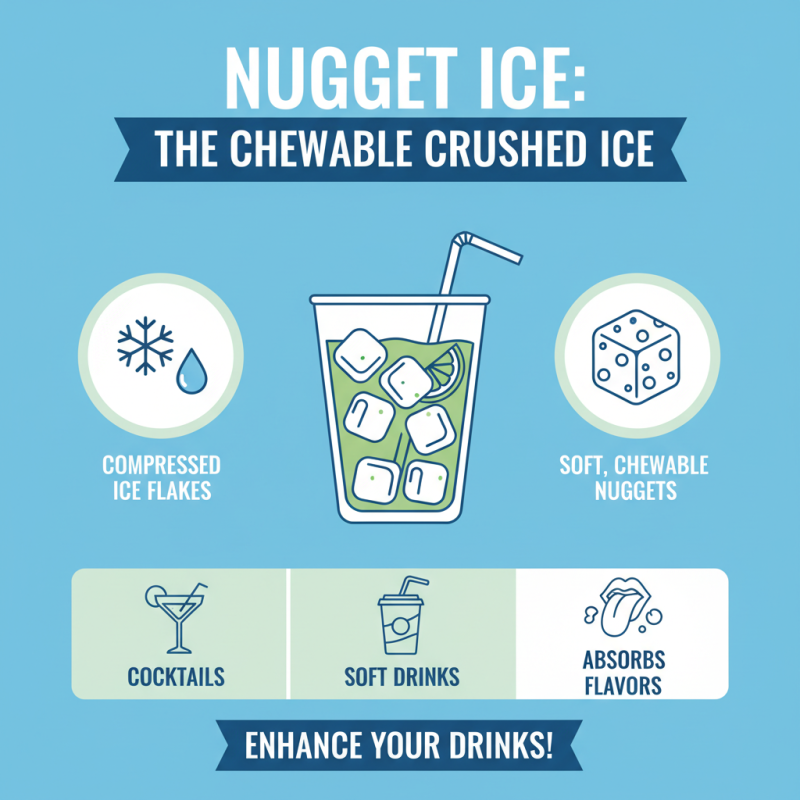
When it comes to choosing a tabletop ice maker, understanding the different ice types can significantly impact your experience. Nugget ice, known for its chewable texture, is a favorite in many restaurants and cafes. It is created by compressing ice flakes into small, airy nuggets, making it ideal for cocktails and soft drinks. Its unique texture absorbs flavors well, enhancing the overall taste of beverages.
Bullet ice makers produce elongated, cylindrical ice that is commonly used in home appliances. This type of ice is relatively harder than nugget ice, making it suitable for chilling drinks without diluting them too quickly. Bullet ice is versatile and can easily blend into various drink types, from cocktails to chilled water.
When deciding on an ice maker, it's essential to consider not just the type of ice, but also your personal usage. If you enjoy a more textured ice for your drinks, a nugget ice maker may be the way to go. For quick cooling and long-lasting chill, bullet ice serves its purpose well.
**Tips:** When using your ice maker, ensure you regularly clean and maintain the appliance for optimal performance. Additionally, consider how much ice you typically need and choose a machine with a suitable production capacity to meet your demands.
Energy Efficiency in Table Top Ice Makers: Industry Standards and Ratings
Table top ice makers have gained popularity for their convenience and efficiency, but energy efficiency remains a crucial aspect for consumers. These compact machines often need to meet certain industry standards and efficiency ratings to be deemed energy-efficient. Generally, table top ice makers are rated based on their energy consumption, performance, and overall environmental impact. A model with a high energy efficiency rating not only reduces electricity bills but also minimizes carbon footprint, making it a more sustainable choice for everyday use.
When selecting a table top ice maker, consider looking for Energy Star ratings, which indicate that the appliance meets strict energy efficiency guidelines set by the U.S. Environmental Protection Agency. Choosing a model with advanced insulation and efficient compressors can further ensure lower energy consumption.
Tips: To maximize energy efficiency, it's essential to place your ice maker in a cool, shaded area, as higher ambient temperatures can initiate more energy consumption. Additionally, regularly cleaning the water reservoir and ice compartment can improve efficiency by preventing buildup that hinders performance.
What is a Table Top Ice Maker and How Does It Work? - Energy Efficiency in Table Top Ice Makers: Industry Standards and Ratings
| Model |
Ice Production (lbs/24 hrs) |
Water Reservoir (liters) |
Energy Consumption (kWh/yr) |
Energy Star Rated |
| Model A |
28 |
2.5 |
300 |
Yes |
| Model B |
33 |
3.0 |
350 |
No |
| Model C |
25 |
2.0 |
280 |
Yes |
| Model D |
40 |
3.5 |
400 |
Yes |
The Benefits of Owning a Table Top Ice Maker for Home Use
Table top ice makers have gained popularity among homeowners seeking convenience and efficiency in ice production. According to a report by Grand View Research, the global ice maker market is expected to reach USD 3.4 billion by 2025, indicating a growing trend in household ice making solutions. These compact appliances can produce ice within minutes, offering an instant solution for entertaining guests, cooling beverages, or even for culinary uses such as preparing homemade frozen drinks. The ability to create ice on demand eliminates the hassle of traditional ice trays, ensuring that you never run out of ice during gatherings or family meals.
In addition to the convenience they provide, table top ice makers can also be energy efficient compared to conventional ice-making methods. A study from the U.S. Department of Energy highlights that modern appliances, including ice makers, consume significantly less energy than older models, resulting in lower electricity bills for households. Furthermore, many table top ice makers are designed with easy-to-use controls and self-cleaning features, making them user-friendly and low-maintenance. In essence, owning a table top ice maker not only enhances the dining experience but also aligns with the increasing demand for energy-efficient kitchen appliances, catering to the environmentally conscious consumer.