What is an Ice Machine Business and How to Succeed in It?
The Ice Machine Business is a growing sector with immense potential. According to James Smith, an industry expert, “The key to success lies in understanding customer needs.” His insights reflect the importance of market research.
Success in this industry requires more than just selling machines. It involves knowing the right locations, customer preferences, and proper maintenance. Many new entrepreneurs underestimate the importance of service quality. Yet, customers expect reliability and performance from their ice machines.
Understanding trends can boost your business significantly. For instance, with the rise of outdoor events, the demand for portable ice machines is increasing. Reflection on these trends is crucial. Many entrepreneurs fail to adapt quickly, missing opportunities in a dynamic market. The Ice Machine Business remains competitive but rewards those who are willing to learn and innovate.
Understanding the Ice Machine Business Model and Its Market Dynamics
The ice machine business operates on a simple principle: providing ice to various sectors like hospitality, restaurants, and events. Understanding the market dynamics is crucial for success. Customers seek quality ice at competitive prices, and operators should know their needs. Market research can help identify trends and consumer preferences, allowing businesses to tailor their offerings effectively.
Tips: Regularly engage with your customers. Collect feedback about your ice quality and service. Adapt quickly to evolving demands. Utilize social media to promote your brand and connect with locals. This can create a loyal customer base.
Investing in reliable and efficient machines is essential. Ensure that your equipment meets health standards and generates quality ice. Poor service or ice quality can lead to complaints. Reflect on any negative experiences and address them promptly. Training staff can help maintain high standards. Continuous improvement is key to thriving in this competitive industry.
Key Types of Ice Machines and Their Applications in Various Industries
Ice machines play a crucial role in various industries. Their applications range from cafes and restaurants to medical facilities and industrial settings. Understanding these machines can help businesses optimize their operations.
There are several types of ice machines commonly used. For instance, cube ice machines are popular in the food service sector. They produce uniform ice cubes, ideal for beverages. Flake ice machines, on the other hand, create soft, crushed ice. This type is often used in seafood displays or hospitals for cooling purposes. Each machine has its advantages.
Considering the choice of an ice machine, businesses should reflect on their specific needs. Size, production capacity, and maintenance requirements are key factors. Not all businesses require the same type of ice. This variation can lead to inefficiencies if not addressed. Making informed decisions based on these considerations can enhance business performance.
What is an Ice Machine Business and How to Succeed in It? - Key Types of Ice Machines and Their Applications in Various Industries
| Ice Machine Type |
Application |
Production Capacity (kg/day) |
Ideal Industry |
| Commercial Ice Maker |
Restaurants, Cafés |
120-600 |
Food & Beverage |
| Flake Ice Machine |
Supermarkets, Seafood Markets |
100-800 |
Retail |
| Cube Ice Machine |
Bars, Hotels |
150-500 |
Hospitality |
| Beverage Ice Machine |
Caterers, Food Trucks |
100-400 |
Catering Services |
| Nugget Ice Machine |
Smoothie Shops, Healthcare |
200-500 |
Beverage Industry |
Analyzing Market Trends and Demand for Ice Machines in 2023
The ice machine market has shown steady growth, driven by rising demand across various sectors. In 2023, the global ice machine market is projected to reach USD 3.2 billion, with a compound annual growth rate (CAGR) of around 6% from 2023 to 2028. This growth is largely fueled by increasing usage in hospitality and food services. The increased focus on food safety and hygiene further supports demand, as ice machines help deliver clean, viable ice for consumption.
Regional trends reveal that North America leads the market, accounting for over 35% of total revenue. The surge in restaurants and convenience stores coupled with the growing trend of outdoor events boosts the requirement for portable machines. However, it’s important to note that the competition is intense. Many new entrants struggle to differentiate their offerings.
Quality, reliability, and energy efficiency are critical factors. Data shows that consumers often prefer machines with
environmentally friendly features. Thus, businesses must align with these emerging preferences to succeed.
Understanding consumer behavior remains a critical challenge. Market reports indicate a gap in producing machines that cater to
low-capacity needs. Failure to address this segment may result in lost sales opportunities. Additionally, the need for regular maintenance must not be overlooked. A well-maintained machine enhances longevity and efficiency, yet many operators neglect this aspect. Recognizing these nuances can make a difference in a competitive landscape.
Essential Strategies for Maximizing Profitability in Ice Machine Operations
Running an ice machine business can be a lucrative venture. Essential strategies can help maximize profitability. Understanding your local market is crucial. Know what types of ice are in demand. Is it crushed ice for drinks or large blocks for seafood displays? Tailor your offerings accordingly.
Tips: Regularly survey customers. Their feedback can guide your product choices. Consider the seasons, too. Summer spikes demand, while winter may see a slump.
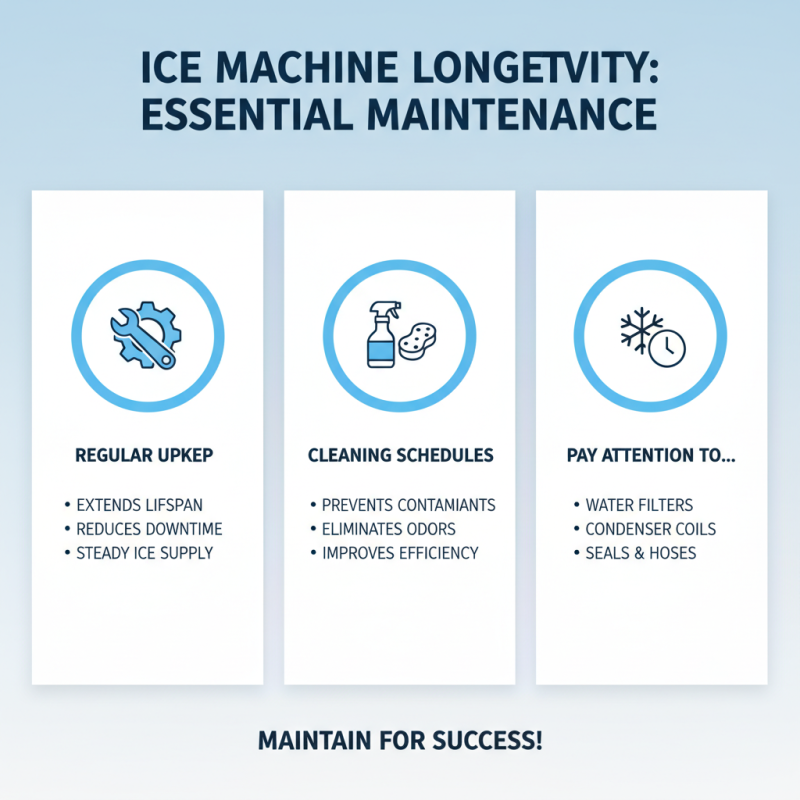
Efficiency in operations is vital. Regular maintenance on machines prevents costly breakdowns. Schedule routine checks and keep your equipment clean. This not only extends the lifespan but also improves ice quality.
Tips: Invest in training for staff. They should understand machine operation and basic troubleshooting. Well-trained employees are more confident and make fewer mistakes.
Monitor your pricing strategy. Analyze competitor prices. Ensure your rates are competitive but profitable. A slight adjustment can significantly affect your bottom line.
Tips: Use software to track sales trends. This insight helps adapt your business strategy quickly and effectively. Always be ready to pivot your approach to meet customer needs.