What is the Ice Machine Business and How to Start Your Own Successful Venture
The Ice Machine Business represents a unique and lucrative opportunity for entrepreneurs looking to delve into the food service and hospitality industries. As the demand for ice continues to rise due to its essential role in beverages, food preservation, and various industrial processes, starting an ice machine venture can be an advantageous move. This industry is gaining momentum, fueled by the growing popularity of outdoor events, catering services, and the overall increase in dining experiences, making it an attractive business model for both new and seasoned business owners.
Developing a successful ice machine business requires a deep understanding of the market and customer needs, as well as a solid strategy for acquiring and maintaining equipment. From choosing the right type of ice machine to ensuring a reliable supply of high-quality ice, the road to success involves careful planning and execution. This article will explore the key aspects of establishing your own ice machine business, highlighting practical steps, essential considerations, and tips for thriving in an ever-competitive landscape. Whether you aim to serve commercial clients or individual consumers, understanding the intricacies of the Ice Machine Business can pave the way for a profitable venture.

Understanding the Ice Machine Business Model and Market Demand
The ice machine business operates within a niche market that supplies essential ice products to various industries, including food service, healthcare, and beverages. According to a report from Market Research Future, the global ice machine market is projected to grow at a compound annual growth rate (CAGR) of approximately 5.8% from 2021 to 2028. This growth is primarily driven by the increasing demand for ice in commercial settings, particularly in restaurants and bars where food presentation and customer satisfaction are paramount. Furthermore, the healthcare sector's reliance on ice for therapeutic purposes and specimen preservation adds another layer of demand.
In terms of market demand, the key segments include commercial ice machines and residential units, with the commercial segment anticipated to dominate the market share. As businesses reopen post-pandemic, restaurants and cafes are expected to invest in high-capacity ice machines to accommodate the surge in patrons. The latest market analysis found that over 60% of ice consumption comes from the food service industry, underscoring the critical need for reliable and efficient ice production solutions. Entrepreneurs looking to enter this market should prioritize understanding customer needs, focusing on energy-efficient machines that can provide clean, scalable ice solutions while minimizing operational costs.
Ice Machine Business Overview
| Dimension |
Description |
Market Information |
Investment Estimate (USD) |
| Market Demand |
High demand in restaurants, bars, and events. |
Growth rate of 5% annually. |
$25,000 - $100,000 |
| Types of Machines |
Cube, nugget, flake, and block machines. |
Nugget ice machines are the most popular. |
$5,000 - $30,000 |
| Target Customers |
Businesses in food service, healthcare, and retail. |
High volume users see significant savings. |
$10,000 - $50,000 |
| Starting Steps |
Market research, business plan, financing, and licensing. |
Understanding local regulations is crucial. |
$5,000 - $15,000 (initial costs) |
| Profit Margin |
Typically between 20% and 30%. |
Margins can increase with service contracts. |
Ongoing maintenance costs should be factored in. |
Key Types of Ice Machines and Their Applications in Various Industries
Ice machines come in various types, each serving unique purposes across multiple industries. The most common types include flake ice machines, block ice machines, nugget ice machines, and tube ice machines. Flake ice, which is light and dry, is widely used in the food industry for preserving perishables and in medical settings for injuries. Its ability to quickly cool products makes it a vital choice in supermarkets and seafood markets.
Block ice, on the other hand, is primarily used in large-scale applications like commercial shipping of food products and in ice sculptures due to its longevity and dense structure.
Nugget ice machines produce soft, chewable ice that is favored in restaurants and bars. This type of ice not only enhances the beverage experience but also maintains drinks at a desirable temperature without overwhelming the palate. Additionally, tube ice machines create hard cylindrical ice that is often employed in cooling beverages and in the hospitality and catering sectors, as it is ideal for keeping drinks chilled for extended periods without dilution. Understanding these types of ice machines and their specific applications is crucial for anyone looking to venture into the ice machine business.
Steps to Conduct Market Research and Identify Target Customers
Conducting thorough market research is a crucial first step in establishing a successful ice machine business. Begin by identifying
the overall demand for ice machines in your target region. Analyze local climate conditions, as areas with warmer temperatures or high
foot traffic, such as commercial sectors or event venues, may present lucrative opportunities. Utilize online surveys, industry reports, and competitor analysis to gather data about customer
preferences, pricing strategies, and market trends. This insight will help you understand what types of ice machines, such as modular or block machines,
are most sought after by potential clients.
Once you have a grasp of the market landscape, it’s essential to pinpoint your target customers. Segmentation based on industry would be beneficial; for instance, focus on bars, restaurants, hospitals, or catering services. Each of these sectors may have unique needs and specifications for their ice production. By creating customer personas, you can tailor your marketing strategies effectively, ensuring that your messaging resonates with the specific challenges and needs of these businesses.
Engaging in face-to-face interviews or attending trade shows can also provide valuable firsthand insights, further refining your understanding of your target market.
Strategies for Sourcing and Managing Ice Machine Inventory
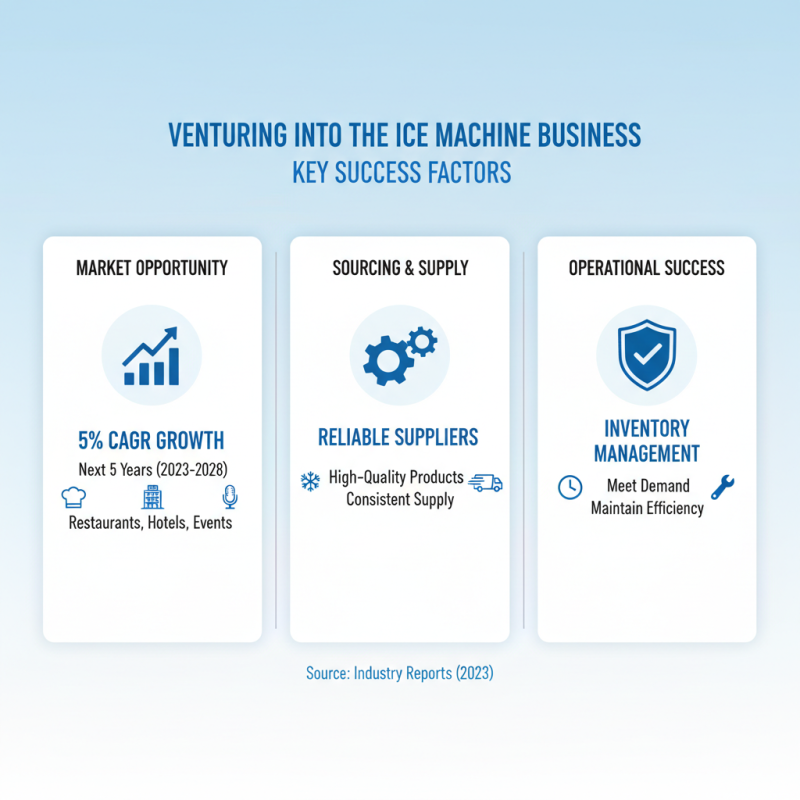
When venturing into the ice machine business, effective inventory sourcing and management are crucial for success. According to industry reports, the demand for commercial ice machines is projected to grow at a CAGR of approximately 5% over the next five years, fueled by increasing consumption in restaurants, hotels, and event venues. This growth presents an excellent opportunity for entrepreneurs to capitalize on a burgeoning market. To navigate this landscape, sourcing reliable suppliers and manufacturers is essential. Establishing relationships with reputable distributors ensures high-quality products and consistent supply, which helps to manage customer expectations and maintain operational efficiency.
Managing ice machine inventory efficiently is equally important. Implementing an inventory management system can streamline processes, reduce overhead costs, and improve turnover rates. Reports from the National Association of Ice Machine Manufacturers indicate that businesses with a robust inventory management strategy can reduce waste by up to 20%, leading to significant cost savings. Additionally, keeping a close eye on industry trends, like shifts towards energy-efficient machines, allows entrepreneurs to make informed purchasing decisions that align with consumer preferences. By leveraging data analytics and maintaining flexibility in inventory, business owners can stay ahead of the competition and ensure sustainable growth in their ice machine venture.
Marketing Techniques to Promote Your Ice Machine Business Effectively
To effectively market your ice machine business, it is vital to leverage a multi-channel marketing approach that resonates with your target audience. According to a report by IBISWorld, the commercial ice machine manufacturing industry has shown consistent revenue growth, reaching over $2 billion annually. This growth creates a favorable landscape for new entrants. To capitalize on this opportunity, utilizing digital marketing strategies such as search engine optimization (SEO) and pay-per-click (PPC) advertising can significantly enhance visibility among potential customers. Tailoring your website’s content to include relevant keywords for ice-related products will help attract organic traffic, while PPC campaigns provide immediate visibility on search engine results pages.
In addition to digital marketing, tapping into social media platforms can be a powerful way to promote your ice machine business. Statistics indicate that over 54% of consumers prefer to see content from brands they support on social media. Crafting engaging posts that highlight the benefits and features of your ice machines, as well as customer testimonials, will help build trust and credibility. Participating in industry forums and groups will enable you to share insights and connect with potential clients, ultimately driving traffic to your website. By implementing these marketing techniques, your ice machine business can cultivate a strong online presence that leads to increased brand awareness and customer retention.
Ice Machine Business Sales Data
This bar chart illustrates the growing sales of ice machines over the past five years. As indicated, the demand for ice machines has significantly increased, highlighting the potential for a successful venture in this business.