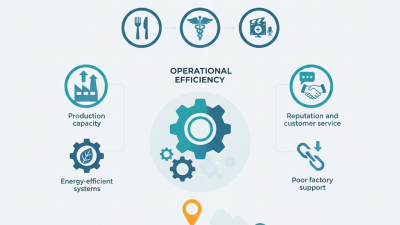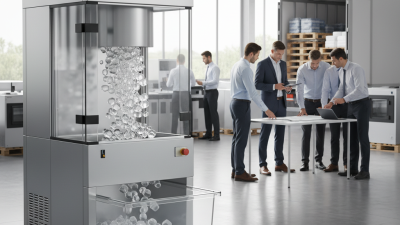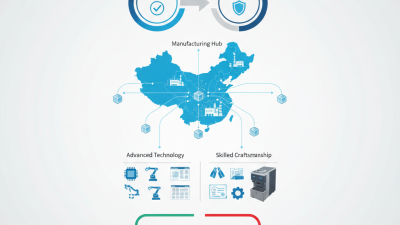
Choosing an Industry Ice Machine Factory requires more than comparing prices, production capacity, and attractive website photos. The right partner must understand ice quality, hygiene control, energy use, water conditions, and service realities. A factory may appear efficient during a showroom visit, yet perform differently beside a busy seafood counter or cold-storage room.
Quality expert W. Edwards Deming stated, “Quality comes not from inspection, but from the improvement of the production process.” His principle fits ice-machine manufacturing closely. Examine how the factory controls stainless-steel welding, refrigeration components, insulation, electrical testing, and final sanitation checks. Ask for traceable test records, not only impressive certificates. A reliable factory should explain its compressor brands, ice production data, ambient-temperature limits, and replacement-part availability without hesitation.
Experience matters. Look for evidence from comparable installations, such as flake ice systems serving fish markets or cube machines operating in hotels. Request photographs, commissioning reports, and customer references. Talk to the technicians, too. They often reveal practical weaknesses that sales brochures omit.
Do not trust appearances alone.
A lower quotation can conceal fragile pumps, slow service, or inconsistent ice thickness. However, expensive equipment is not automatically superior. This is where judgment becomes difficult. No checklist is perfect, and local water quality may change the final decision. A thoughtful buyer should compare lifecycle cost, maintenance access, delivery reliability, certifications, and warranty response before selecting an Industry Ice Machine Factory. The strongest choice is usually the factory that explains limitations clearly and supports performance after installation.
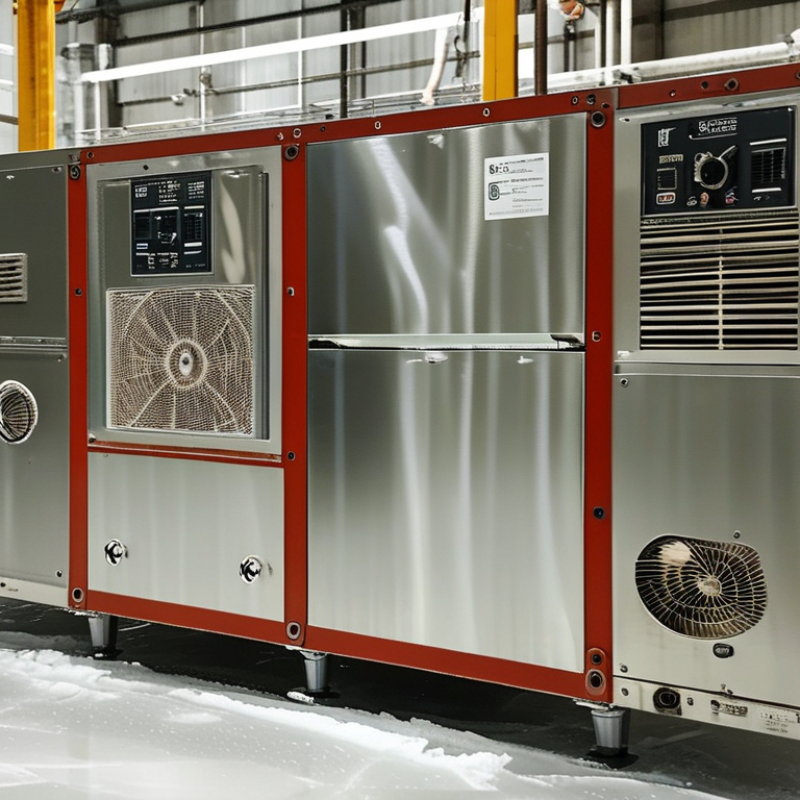
Choosing an industry ice machine factory starts with production reality, not catalogue photos. Ask for output at your actual water and room temperatures. A machine rated for 20 tons daily may produce less in a hot, dusty plant. Request a witnessed performance test. Check ice shape, cycle time, and rejected batches. Good factories explain these limits clearly. Vague promises deserve caution.
Selection criteria should include build quality, sanitation, and serviceability. Inspect food-contact surfaces, welds, insulation, drains, and electrical protection. Stainless steel alone proves little. Ask for material grades and cleaning procedures. Operators should reach filters, pumps, and condensers without unsafe climbing. Review energy use per ton, not only installed power. Get written data under defined conditions. Many comparisons become unfair here.
Reliable factories provide drawings, manuals, spare-parts lists, and traceable test records. Confirm technician response times, remote support, commissioning, and training. Speak with users running similar loads, when permission is available. Check conformity documents for your destination and consult local compliance professionals. Price matters, but downtime can cost more than the machine. I would also inspect the factory floor. A polished showroom cannot replace orderly assembly and final testing. My own selection mistake was trusting a low initial quote; installation changes and delayed parts made the real cost higher. That lesson still needs review, because every site has different risks.

Assessing Ice Production Capacity and Machine Types
Choosing an industrial ice machine factory starts with real demand, not a catalog number. Estimate daily consumption, peak hours, storage limits, and delivery schedules. A machine rated at 10 tons per day may produce less in hot, humid conditions. Water temperature matters too. Capacity numbers can mislead.
Match the ice type to its application. Flake ice cools seafood and produce quickly because it spreads across uneven surfaces. Tube ice suits beverages, retail display, and routine food service. Cube ice melts more slowly and looks cleaner in drinks. Block ice supports transport and longer storage, but it needs more handling. Modular systems work well when production may expand. Self-contained units often simplify installation for smaller facilities.
Ask the factory for test records under conditions close to your site. Check actual output, power consumption, water use, and recovery time after cleaning. Request details about compressors, condensers, insulation, and control systems. Experienced suppliers should explain derating instead of hiding it. Visit a running installation if possible. Listen for unusual vibration. Inspect ice consistency and drainage. A factory may offer impressive capacity but weak maintenance support. That risk is easy to overlook. I once treated rated output as the main comparison point; it was not. Service access, spare-part availability, and operator training affected performance more than expected. Build a small production margin, but avoid paying for unused capacity.
Choosing an industrial ice machine factory requires more than comparing cooling capacity or delivery dates. Manufacturing quality appears in small details: flat stainless-steel seams, protected wiring, clean welds, and drainage that leaves no standing water. Ask for production records, incoming-material inspections, and batch traceability. A factory should also explain how technicians test water circuits, compressors, insulation, and electrical protection before shipment.
Certifications need careful checking. NSF/ANSI 12 addresses automatic ice-making equipment, including sanitation-related design requirements, while ISO 22000 supports a documented food-safety management system. ISO 9001 can show process control, but it does not prove that every machine is hygienic or safe. Request current certificates, scope pages, laboratory reports, and test numbers. Do not accept a certificate image alone. Certification databases and issuing bodies should confirm authenticity.
Safety standards must match the destination market. Check electrical testing, refrigerant compliance, pressure protection, grounding, and food-contact materials. The World Health Organization estimates 600 million people suffer foodborne illness annually, so water pathways and cleanability deserve serious attention. ENERGY STAR reports that qualifying commercial ice machines can use about 10% less energy and 20% less water than standard models. Ask for measured data, not impressive claims. A factory may pass an audit yet miss a loose drain clamp or inconsistent seal. That is where careful sampling matters. delvetica
| Evaluation Dimension | What to Check | Practical Acceptance Benchmark | Required Evidence | Risk if Not Verified |
|---|---|---|---|---|
| Quality Management System | Review how the factory controls incoming materials, production processes, inspection records, corrective actions, and traceability. | A documented quality system with controlled procedures, batch records, nonconformity handling, and regular internal audits. | Valid ISO 9001 certificate, certificate scope, audit date, process flow, inspection plan, and sample quality records. | Inconsistent product quality, repeated defects, and difficulty identifying the source of failures. |
| Food-Contact Materials | Check the evaporator, ice bin, water system, dispensing components, seals, tubing, and surface finishes that contact water or ice. | Materials should be corrosion-resistant, smooth, cleanable, and compliant with the destination market’s food-contact requirements. | Material declarations, food-contact test reports, component specifications, and surface-finish documentation. | Taste or odor transfer, corrosion, microbial buildup, and possible regulatory non-compliance. |
| Hygienic Design | Inspect drainage, internal corners, water distribution, access panels, removable parts, and cleaning procedures. | No unnecessary dead legs or inaccessible water pockets; components should be removable or accessible for routine sanitation. | Internal drawings, cleaning and sanitizing instructions, preventive-maintenance schedule, and hygiene test records. | Biofilm formation, unpleasant odors, contamination, and increased cleaning labor. |
| Electrical Safety | Verify wiring, grounding, insulation, overload protection, control panels, plugs, and protection against water ingress. | The complete machine should be tested against the electrical requirements applicable in the destination market, including leakage current and dielectric strength where required. | Electrical test reports, wiring diagrams, component approvals, grounding test results, and applicable conformity documentation. | Electric shock, short circuits, fire hazards, nuisance tripping, or import delays. |
| Applicable Safety Standards | Confirm that the factory identifies the correct standards for the machine type, voltage, installation environment, and sales region. | For relevant products, technical evaluation may include IEC 60335-1 and IEC 60335-2-24, or equivalent national standards. Applicability must be confirmed for the exact model. | Model-specific test report, declaration of conformity, risk assessment, and a standards list showing edition and scope. | A certificate for a different product may be incorrectly used, creating safety and legal exposure. |
| Food-Safety Certification | Determine whether the factory and product meet the food-equipment requirements of the target market. | Where applicable, certification or evaluation to NSF/ANSI 12 for commercial ice-making equipment should cover the exact product family and configuration. | Current certificate, listing or evaluation report, product model range, sanitation test results, and certificate verification record. | The equipment may fail customer audits or local health-authority requirements. |
| Refrigeration System | Check compressor selection, refrigerant type, pressure controls, brazed joints, leak testing, insulation, and service access. | Every unit should undergo documented pressure or leak testing before shipment; refrigerant and charge must comply with local environmental and safety rules. | Refrigeration circuit diagram, refrigerant specification, leak-test records, pressure-test procedure, and compressor data sheet. | Poor cooling performance, refrigerant leakage, compressor damage, or service restrictions. |
| Production and Final Inspection | Observe assembly controls, torque management, welding quality, water-flow checks, ice-production tests, and final visual inspection. | Each finished unit should receive documented functional testing, including water circulation, ice formation, drainage, controls, and abnormal-noise checks. | Inspection checklist, test parameters, calibration records, serial-number traceability, and retained test results. | Defects may remain hidden until installation, increasing warranty and replacement costs. |
| Performance Verification | Compare rated ice output, water consumption, energy consumption, ambient-temperature range, bin capacity, and recovery time. | Performance claims should be measured under clearly stated conditions and independently verified for the ordered model, not only for a prototype. | Third-party or witnessed test report, test conditions, calibrated instruments, product specification sheet, and sample-unit results. | The machine may fail to meet production requirements in real operating conditions. |
| Factory Capability and Traceability | Evaluate production capacity, equipment maintenance, workforce training, supplier control, serial-number management, and spare-parts availability. | The factory should demonstrate stable production capacity, trained operators, approved-supplier controls, and traceability from major components to finished units. | Factory audit report, capacity plan, training records, supplier evaluation procedure, serial-number policy, and spare-parts list. | Production delays, uncontrolled substitutions, difficult recalls, and poor after-sales support. |
| Packaging and Shipping Protection | Check internal bracing, moisture protection, vibration protection, upright-position markings, and export packaging suitability. | Packaging should protect refrigeration components, panels, controls, and water connections during handling and transport. | Packaging specification, drop or vibration test results where applicable, loading photos, and shipping damage records. | Transit damage, concealed refrigeration faults, installation delays, and higher claims costs. |
| Supplier Selection Score | Use a weighted evaluation instead of selecting solely on price or production capacity. | Suggested weighting: manufacturing quality 25%, safety and certifications 25%, performance 20%, factory capability 15%, service and spare parts 10%, price 5%. | Completed supplier scorecard, audit findings, corrective-action plan, sample approval record, and signed technical agreement. | A low purchase price may conceal higher operating, maintenance, compliance, and warranty costs. |
Note: Certification and standard requirements vary by product configuration and destination market. Always verify the certificate scope and test report against the exact ice machine model being purchased.
Choosing an industry ice machine factory starts with measurable performance, not attractive catalog images.
Request test data for ice production, energy use, and water consumption. AHRI Standard 810 provides a recognized method for rating automatic commercial ice makers. Compare factories using the same test conditions. Otherwise, the numbers may look precise but remain difficult to trust.
Customization should solve a real operating problem.
A factory might adjust bin size, condenser type, voltage, drainage, or control settings. These details affect installation and maintenance. Ask for drawings, sample units, and documented quality checks. ENERGY STAR reports that certified commercial ice makers use about 10% less energy and 20% less water than standard models. Those percentages matter when machines run throughout the year. They also depend on local water temperature and cleaning habits.
Operating cost needs a simple calculation: purchase price, electricity, water, filters, labor, and downtime.
A cheaper machine can become expensive after repeated service calls. Review the factory’s spare-parts policy and response time. Check whether energy figures come from independent testing or internal estimates. Small omissions matter. I would also question oversized customization, because extra features can increase failure points. A reliable factory should explain that trade-off clearly, even when it reduces the initial order value. EPA ENERGY STAR product criteria and AHRI performance standards offer useful reference points during this review.
A reliable factory should support the machine after installation, not only sell it. Ask who handles commissioning, operator training, and troubleshooting. Request a clear service process with named contacts and response times.
A useful test is simple: send a technical question before ordering. The reply should be specific, practical, and easy to verify. Vague promises are warning signs.
Examine the warranty line by line. Check coverage for compressors, controls, evaporators, labor, and replacement parts. Confirm whether shipping costs are included. Ask how warranty claims are documented and processed. A strong supplier can provide anonymized service records or repair examples.
However, a long warranty period does not always mean better protection. Exclusions may hide the real cost.
Delivery reliability needs evidence. Review production schedules, inspection procedures, export packaging, and previous shipment records. Ask how the factory manages delayed components or seasonal demand. A realistic delivery date is more valuable than an attractive promise.
Insist on progress updates with photos before loading. Wooden crates should protect vulnerable controls and refrigerant lines from moisture and impact.
Some factories look impressive during visits, yet communication becomes slow after payment. That risk deserves attention. I would also allow extra time for customs, port congestion, and installation adjustments.
No plan is perfect. A careful factory admits that.