How to Choose the Best Flake Ice Machine for Your Needs?
Choosing the right Flake Ice Machine can seem overwhelming. These machines are essential for various industries, including food service, medical, and industrial fields. They produce small, flake-like ice that is perfect for packing seafood, preserving perishables, and ensuring food safety. With numerous options available, how do you determine which one meets your unique needs?
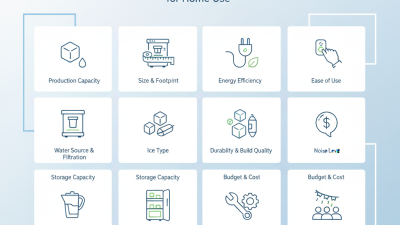
Consider your specific requirements. The size of the machine, ice production capacity, and energy efficiency are crucial factors. Think about space constraints. A larger machine might not fit in smaller work areas. Additionally, some Flake Ice Machines operate quieter than others. Noise level can impact the working environment, especially in busy kitchens or medical facilities.
Reflect on the brand reputation. Companies with a history of reliable products often stand out. Reviews and testimonials can provide valuable insights. Look for machines with durable components. Long-lasting equipment can save costs on repairs and replacements. In the end, your choice will reflect your unique situation and preferences. Choosing wisely can enhance your operations and efficiency.
Types of Flake Ice Machines Available on the Market
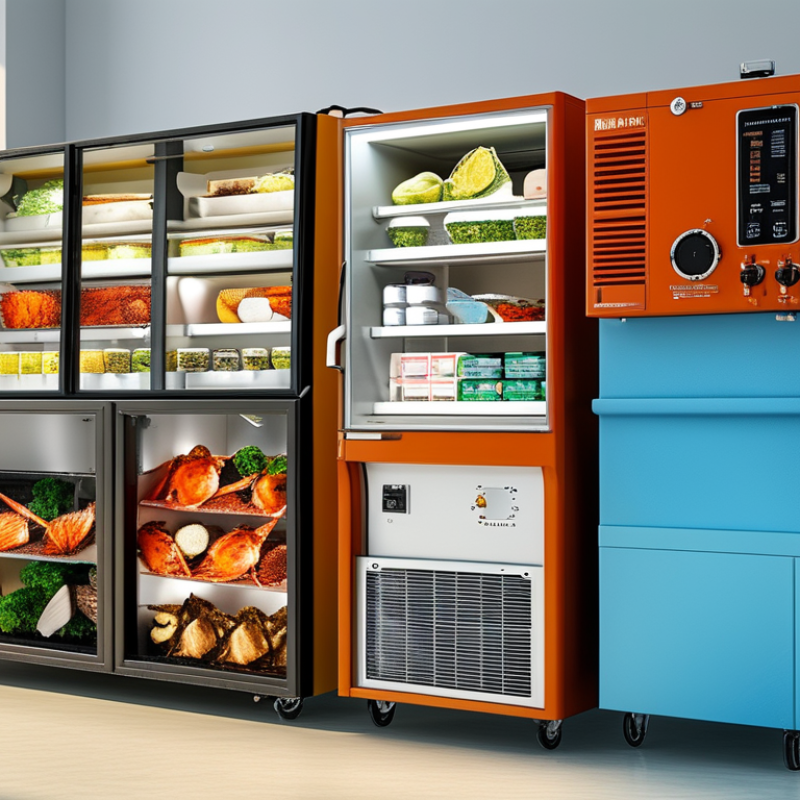
Flake ice machines come in various types to meet different needs. One common type is the modular flake ice machine. These units are designed to produce large quantities of flake ice. They require a separate storage bin, offering flexibility for larger operations like restaurants or fish markets. The modular design allows for easy scaling, adapting to increased ice demands.
Another popular option is the water-cooled flake ice machine. This type utilizes water as a cooling medium, making it efficient in environments with high ambient temperatures. It's ideal for places where air-cooled machines struggle. However, users may face challenges in maintenance, as water supply issues can affect performance.
Then, there are under-counter flake ice machines. These compact units fit into small spaces, making them perfect for cafes or bars. They provide convenience but may produce less ice than larger machines. Users should consider their daily ice requirements before choosing this option. Each type has its pros and cons, requiring careful thought before purchasing. Understanding your specific needs is crucial for making the right decision.
Key Factors to Consider When Choosing a Flake Ice Machine
When selecting a flake ice machine, several key factors come into play. Ice production capacity is crucial. You need to assess your daily ice requirements. A small café may require less than a hundred pounds a day. In contrast, a busy seafood market could need several hundred. The machine’s efficiency in producing flake ice quickly is also vital. An efficient machine saves time and energy costs.
Consider the machine's size and location. It should fit your space while allowing for ventilation. Too often, operators forget about maintenance access. Regular cleaning is essential to avoid ice quality issues. Another aspect is durability. Materials used in construction should withstand regular use without rusting or damage. Ultimately, choosing a dependable machine can prevent future headaches.
Don’t overlook user-friendliness. A complicated machine might discourage staff from using it. Simple controls are more effective. It's also important to think about noise levels. A loud machine can disrupt operations, especially in quiet settings. Reflecting on these factors ensures informed decisions that meet specific operational needs.
Flake Ice Machine Selection Criteria
Determining Your Capacity Needs for Flake Ice Production
Choosing the right flake ice machine starts with understanding your capacity needs. Flake ice machines vary significantly in their production capabilities. Some machines can produce over 12,000 pounds of flake ice per day, while smaller units may only generate 500 pounds. Your specific needs will depend on factors like your business type and peak demand periods.
For instance, a seafood market might need a machine that can produce large amounts continuously. In contrast, a smaller restaurant may only require a compact unit for daily service. Industry studies indicate that businesses planning to serve larger volumes should consider machines with a higher production rate. Assess your current ice usage to avoid potential shortages during peak times.
Tips: Evaluate the following. Think about your ice storage capacity. An adequate storage solution helps prevent daily rushes and service delays. Also, factor in energy consumption. More efficient machines save money in the long run, though they may cost more upfront. Lastly, reconsider your space availability. Machines vary in size, so ensuring adequate space for both production and storage is crucial for operational efficiency. Plan for future growth, as your needs may change.
Energy Efficiency Ratings and Their Importance in Selection
When selecting a flake ice machine, energy efficiency ratings are crucial. These ratings help determine how much energy the machine uses. An energy-efficient model can significantly lower electricity bills. Over time, the savings add up. However, not every high-rated machine is the best fit for every situation. You need to match the machine's capacity to your specific needs.
Understanding energy efficiency can be complex. Look for machines with clear ratings like Energy Star or similar standards. These labels provide insights into how efficiently machines operate. Pay attention to the ice production per kWh consumed. Some machines boast high production rates but consume more energy. This balance is essential for long-term sustainability.
Consider your actual ice demand. A machine running at peak efficiency is useless if it cannot meet your needs. Sometimes a larger, less efficient model might serve a high-demand environment better. Always weigh the upfront costs against potential energy savings. Choices aren't always straightforward, and it's critical to evaluate real-world usage patterns. Factors like maintenance and location can also impact efficiency, making it vital to conduct thorough research.
Maintenance Tips for Long-lasting Flake Ice Machines
Maintenance is crucial for ensuring the longevity of flake ice machines. According to the International Ice Association, regular upkeep can extend the average lifespan of these machines by up to 30%. One key aspect of maintenance is routine cleaning. Mineral build-up can occur and impede ice production. Cleaning the evaporator plates helps maintain efficiency. A monthly check on water quality can also prevent scaling and clogging.
Proper ventilation is another essential factor in maintaining flake ice machines. The location of the machine matters. Ensuring adequate airflow around the unit can improve performance and energy efficiency. A report by the American Society of Mechanical Engineers highlights that machines with blocked vents can suffer a 15% drop in efficiency. Owners should routinely inspect air filters and clean them to ensure optimal operation.
Monitoring the operating temperature is vital as well. Machines should be located in environments where temperature fluctuations are minimized. Extreme heat can lead to overheating and premature wear. Regular temperature checks can help identify potential issues before they escalate. Small adjustments can lead to big improvements in performance and efficiency.