Top 10 Tips for Choosing Portable Ice Makers for Your Business
In today's competitive market, selecting the right Portable Ice Makers is crucial for businesses that rely on ice. Industry expert John Smith, a veteran in food service equipment, once stated, “Choosing the right ice maker is not just about making ice, but about meeting customer demands efficiently.” This highlights the importance of understanding the features and specifications of Portable Ice Makers.
Businesses need to consider their specific needs. A small café might require a different model than a busy restaurant. Factors like production capacity, size, and energy efficiency can affect the bottom line. Recognizing these nuances is essential for making an informed choice.
Additionally, while some Portable Ice Makers boast impressive features, not all are worth the investment. It’s easy to overlook essential attributes in favor of flashy designs or low prices. Businesses must take a holistic view, ensuring their choice enhances operational efficiency while serving customer needs. Understanding the landscape of Portable Ice Makers helps avoid common pitfalls and leads to greater satisfaction in the long run.
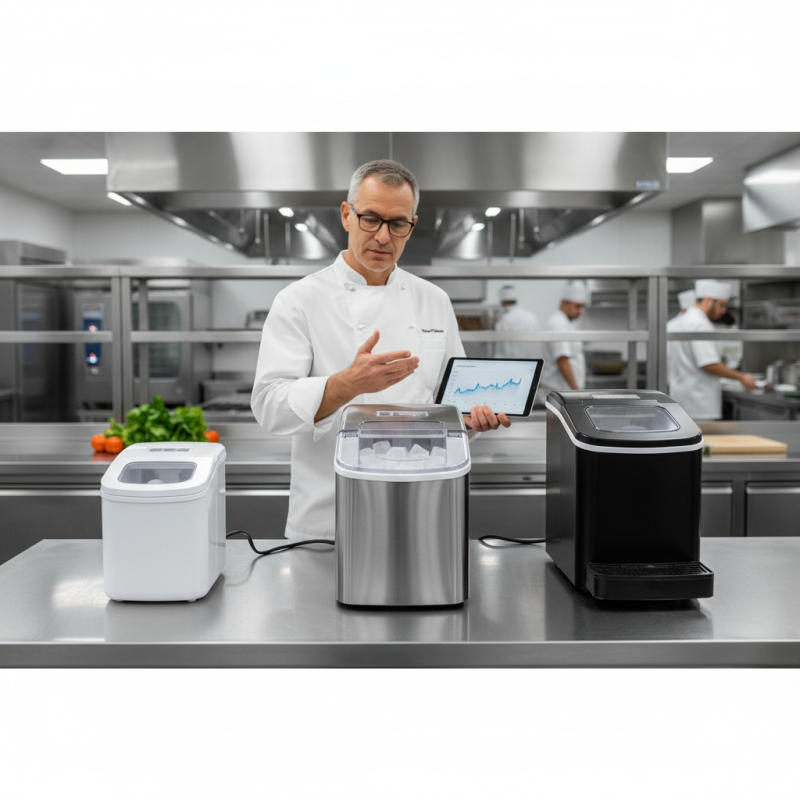
Key Considerations for Selecting Portable Ice Makers for Businesses
Choosing the right portable ice maker for your business requires careful consideration. Not all models work for every type of establishment. Think about the volume of ice you need daily. A small café may not require the same capacity as a bar or restaurant. Capacity matters greatly; too little can lead to operational disruptions.
Evaluate the size and footprint of the machine. It must fit your space without compromising workflow. A compact design may be ideal for tight areas. Additionally, consider the ease of use. A complicated setup can waste valuable time. Look for features that facilitate quick maintenance. Some models have easy-clean designs that save you from tedious tasks.
Power consumption is another key factor. High energy costs can affect your bottom line. Check the efficiency ratings of potential machines. It’s also helpful to consult with industry peers. Their experiences can guide you toward reliable options. Sometimes, the most popular machines may not suit your unique needs. A reflective approach is essential for a wise choice.
Understanding Ice Production Capacity and Types of Ice Produced
When selecting a portable ice maker, understanding ice production capacity is crucial. Ice production capacity varies widely among models. Some machines produce as little as 26 pounds of ice daily, while others can churn out 80 pounds or more. Consider your business needs. A cafe might require less than a restaurant, but during peak hours, both might need more ice. Choose wisely to meet these demands.
The type of ice produced is equally important. Different types of ice serve different purposes. For instance, nugget ice is popular in drinks. It displaces more liquid and cools quickly. Conversely, cube ice is often used in cocktails and soft drinks. There’s also flake ice, which is great for display cases. Knowing the type of ice you need will guide your choice effectively.
It can be tempting to go for the highest capacity model. However, larger machines can lead to wasted ice if your demand is low. A balance is needed. Understanding your specific requirements is essential for making an informed decision. Sometimes, it’s best to re-evaluate your business's ice needs before making a purchase.
Evaluating Energy Efficiency Ratings and Operational Costs
When selecting portable ice makers for your business, evaluating energy efficiency ratings is crucial. According to the U.S. Department of Energy, energy-efficient appliances can reduce energy consumption by up to 50%. This significant reduction can lead to lower operational costs over time, especially for high-demand businesses like restaurants and bars. The initial investment in a more efficient model can pay off within a year through energy savings.
Operational costs extend beyond energy consumption. Many ice makers require regular maintenance, which can add to long-term expenses. It's essential to factor in the cost of cleaning supplies, replacement filters, and potential repairs. A study by the Appliance Standards Awareness Project indicates that models with higher efficiency ratings may also have lower maintenance costs. Thus, investing in an ice maker with a solid energy rating can provide not only direct savings but also ease the burden of upkeep.
However, not all ice makers with high ratings are suitable for every business. Some may fall short during peak hours, leading to ice shortages. This can disrupt service and affect customer satisfaction. Businesses must consider their actual ice consumption needs alongside efficiency ratings. Balancing energy savings with sufficient output is key to making a wise choice.
Energy Efficiency Ratings of Portable Ice Makers
Assessing Size and Portability Features for Business Environments
When selecting a portable ice maker for your business, portability and size are crucial factors. A compact design allows for easy movement between venues, enhancing flexibility. Look for machines with wheels or handle features. This makes transporting ice makers smoother, especially during busy events.
Before purchasing, assess the ice production capacity. Smaller units may fit easier, but they could limit efficiency. Calculate your ice needs based on peak usage times. For smaller cafes or mobile carts, a unit that produces around 28-50 pounds of ice daily might suffice. Larger venues might demand machines that yield over 100 pounds daily.
Consider storage space as well. A model with a built-in ice bin can save space. Aim for a design that doesn’t consume too much room while ensuring a steady supply. Also, check energy ratings. High-efficiency models can reduce costs in the long run, though they may require a higher upfront investment. Make sure to balance these aspects for the best fit.
Exploring Maintenance Requirements and Warranty Options for Longevity
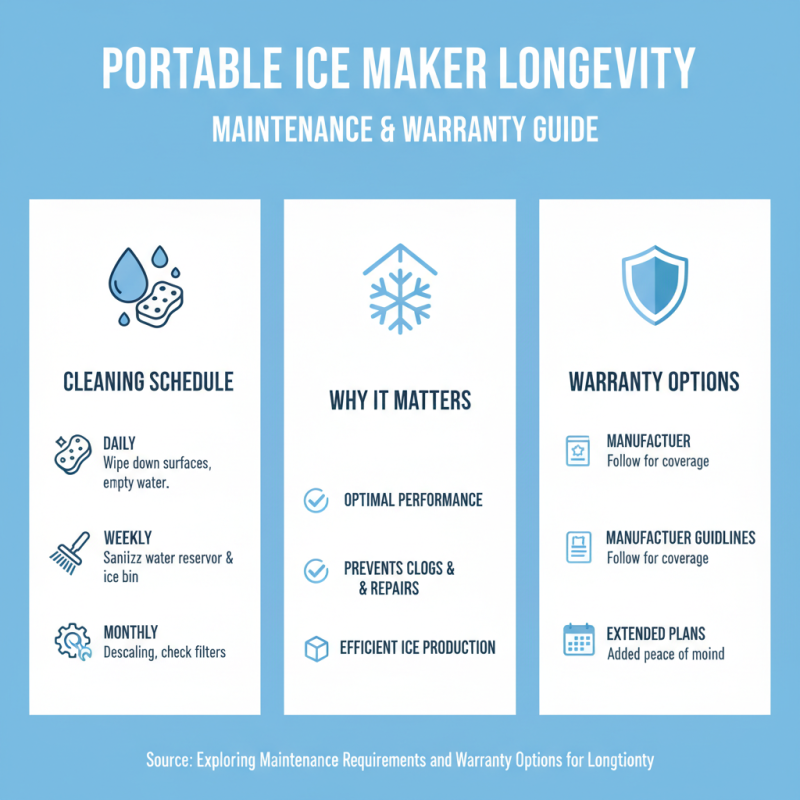
When selecting a portable ice maker for your business, maintenance requirements often get overlooked. Regular upkeep is crucial for optimal performance. Keeping the machine clean prevents clogs and ensures efficiency. It's important to follow the manufacturer's guidelines for daily, weekly, and monthly maintenance tasks. Neglecting these can lead to decreased ice production and costly repairs.
Warranty options should also be carefully considered. A reliable warranty can save money on unexpected repairs. Look for manufacturers offering comprehensive coverage that includes key components like compressors and electrical parts. However, be wary of fine print. Some warranties have limitations that may not cover all issues. Understanding these details is essential for protecting your investment.
While portable ice makers can be a game-changer, they require commitment. The longevity of the machine hinges on proper care and maintenance. It's not just about purchasing the right model. It's about ensuring it remains in good working order. Reflect on your operational needs and be prepared to invest time in upkeep.