Leave Your Message

How to Choose China Best Table Top Ice Maker?

Choosing the best Table Top Ice Maker is less about finding the fastest machine. It is about matching daily demand, available space, ice style, noise tolerance, and cleaning habits. A compact unit beside a kitchen sink may produce clear bullet-shaped ice, yet struggle during a busy family gathering. A larger model may fill its basket quickly, but occupy valuable counter space.

Market research supports this growing interest. Grand View Research’s Ice Maker Market report identifies residential, hospitality, and foodservice applications as important demand segments. Technavio’s Ice Maker Market analysis also highlights convenience and compact equipment as continuing market drivers. However, market growth does not make every appliance reliable. Product claims still require careful checking.

Food-safety specialist Martin Bucknavage of Penn State offers a useful reminder: “Ice is food.” That sentence changes how buyers should compare machines. Look for accessible water tanks, removable ice baskets, clear cleaning instructions, and materials suitable for food contact. Check production capacity over 24 hours, not only the first cycle. Confirm whether the stated output depends on room temperature or water temperature.

I would not choose by speed alone. A quiet machine producing less ice may suit a small apartment better. A powerful model may become irritating beside a bedroom. Energy use, refrigerant information, warranty support, and recognized safety certifications deserve attention too. Some comparisons miss these details. That is the weakness. This guide examines them directly, helping readers select a Table Top Ice Maker that performs consistently in real kitchens, not merely in attractive product photographs.
How to Choose China Best Table Top Ice Maker?

Understanding Tabletop Ice Maker Types and Production Methods

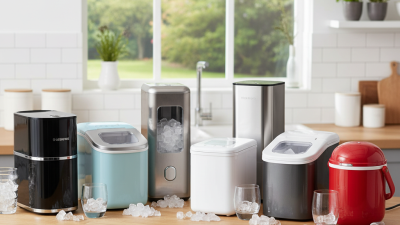
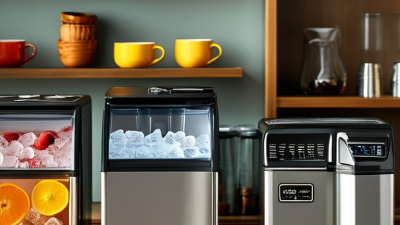
Choosing a tabletop ice maker starts with ice shape, not appearance.
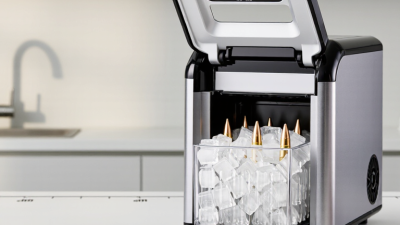
Bullet ice is light, hollow, and cools drinks quickly.
Nugget ice feels softer and suits chewing, but it melts faster.
Clear cubes look refined and often last longer in a glass.
They require slower freezing and cleaner water conditions.
Small footprint, big differences.

The production method explains these differences. Many compact machines freeze water around chilled metal fingers, forming hollow bullets in minutes. Others scrape thin ice from a cold cylinder, then compress it into soft nuggets. A clear-ice system freezes water gradually, reducing trapped air and cloudiness. This method is slower.
In practical comparisons, rated output often falls when room temperature rises or the water reservoir warms. That detail is easy to miss.

Compare usable output, cycle time, reservoir size, and cleaning access.
Ask how many grams each cycle produces, not only the daily headline.
Check whether the bin stores ice or keeps making it.
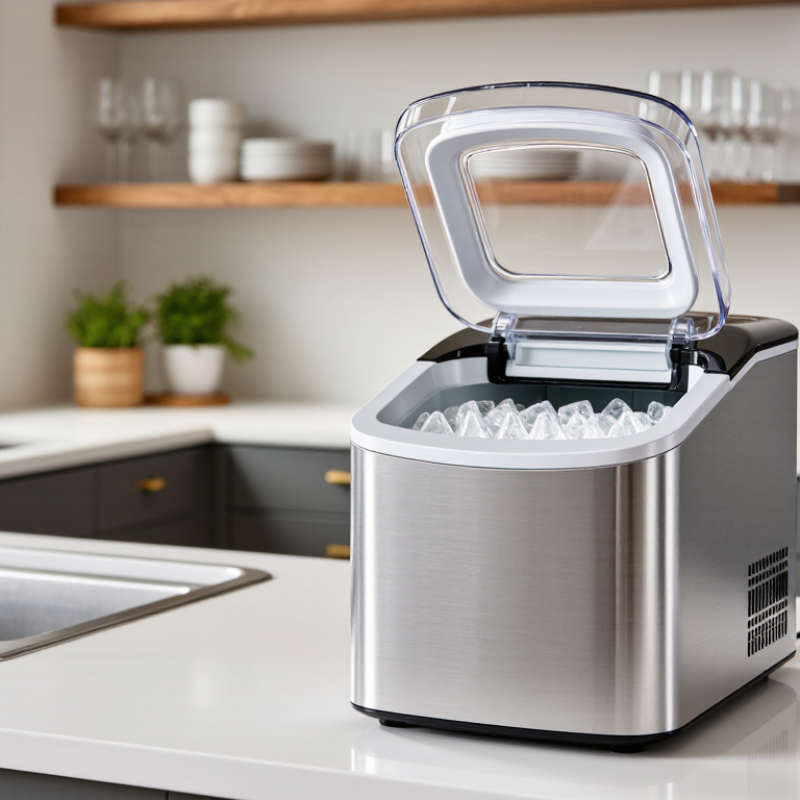
A drain plug, removable basket, and visible water line simplify routine care.
Food-contact surfaces should be easy to inspect.
Noise still matters.
I once treated speed as the main advantage, but faster ice is not always better ice.
For home bars, choose the texture you will use most.
For small offices, prioritize steady production and simple maintenance over an attractive shape.
Identifying Key Features for Home, Office, and Commercial Use

How to Choose China Best Table Top Ice Maker?

For home use, start with ice type, daily output, footprint, and cleaning access. A compact unit should fit beneath cabinets, with ventilation space around its sides. Check the production rating at your room temperature, not only the largest advertised figure. Warmer kitchens can reduce output noticeably. My first choice was too small. Peak demand matters more than average demand.

In an office, noise, drainage, and storage deserve equal attention. Select a machine with a removable basket and smooth interior surfaces.

The U.S. Environmental Protection Agency reports that certified commercial ice makers use about 15% less energy and 10% less water than standard models. That difference becomes practical during daily meetings.

Also compare standby behavior, cord length, and filter replacement costs. A lower purchase price may hide higher operating expenses.

Commercial buyers need stronger evidence.

Review capacity at the required ambient temperature, recovery time, condenser type, and service access. AHRI Standard 810 provides performance-rating guidance for automatic commercial ice-making equipment. NSF/ANSI 12 addresses sanitation requirements for automatic ice-making equipment and ice storage.

These references help separate measurable performance from attractive packaging. For food-service environments, document cleaning intervals and water quality before purchase.

I still underestimate maintenance time sometimes. That mistake is expensive.

A China-made tabletop ice maker can be suitable, but factory quality records, test reports, warranty terms, and spare-part availability should be verified independently.

Comparing Ice Output, Storage Capacity, and Energy Efficiency

How to Choose China’s Best Table Top Ice Maker?

Ice output should match your daily routine, not only the number on the box. In a home test, measure the first batch time at 21–25°C room temperature. Record how many cubes appear after six hours. Claimed output often assumes ideal water temperature and ventilation. Real results can be lower. A compact unit producing 10–12 kilograms daily may suit a small family. However, frequent guests may need faster cycles and a wider ice basket. Check the cube shape, too. Hollow bullets melt quickly in warm drinks. Dense cubes usually last longer.

Storage capacity affects convenience and electricity use. A larger basket sounds helpful, but stored ice can melt and trigger repeated cooling cycles. A 0.7-kilogram basket may be enough for occasional use. Look for clear water-level markings and an insulated basket. These details prevent messy refills. Energy efficiency deserves a practical check. Use a plug-in energy meter for one complete day, including standby time. Compare watt-hours per kilogram of ice, not just rated power. A quiet compressor is useful in a bedroom or office, but silence alone proves nothing. Ventilation space matters. My own testing sometimes favored a slower machine because it wasted less energy. That result was unexpected. Always check cleaning access, drain design, and temperature performance before choosing.

Checking Materials, Safety Standards, and Ease of Cleaning

How to Choose China Best Table Top Ice Maker?

When choosing a tabletop ice maker from China, inspect the materials before comparing output. A stainless-steel housing resists stains and feels more durable in humid kitchens. The ice basket should use food-contact plastic with clear material information. Avoid strong chemical smells or rough edges. These details often reveal weak quality control.

Safety needs practical verification, not attractive promises. Check the product’s electrical rating, grounding design, insulation, and overheating protection. Ask for test reports that match the exact model, not a similar product. Relevant market certifications may differ by destination, so confirm requirements before ordering. A reliable supplier should provide manuals, inspection records, and traceable production details. This takes time.

Cleaning is equally important. Look for a removable ice basket, wide water tank opening, and smooth internal corners. A drain plug near the bottom can prevent stale water from hiding inside. Avoid narrow tubes that are difficult to reach with a brush. In my experience, daily wiping is simple, but neglected corners quickly develop odor. I once focused too much on fast ice production and overlooked the drain design. That was a mistake. A self-cleaning cycle helps, but it does not replace manual cleaning. Check whether the cycle uses plain water and whether the instructions explain drying afterward. A washable scoop and replaceable filter can also improve routine hygiene. Evaluate the parts you can actually touch.

How to Choose China Best Table Top Ice Maker? — Checking Materials, Safety Standards, and Ease of Cleaning
Evaluation Dimension Recommended Requirement Why It Matters What to Check Before Buying Priority
Ice-contact surfaces Food-contact stainless steel, preferably a clearly specified grade such as 304, or food-contact plastic such as PP. Materials in direct contact with water and ice should resist corrosion, odor absorption, and repeated washing. Request the material specification and food-contact compliance documents. Avoid surfaces with peeling coatings, rust, or an unidentified plastic type. Essential
Water reservoir design Removable or fully accessible reservoir with smooth corners and minimal hidden channels. Open access makes it easier to remove scale, biofilm, and standing water after use. Confirm that the reservoir, drain plug, and water-level area can be reached without special tools. Essential
Food-contact compliance Documentation aligned with applicable Chinese food-contact requirements, including GB 4806 series standards where relevant. Compliance testing helps verify that materials are suitable for contact with drinking water and ice. Check the test scope, material list, test date, and whether the documents apply to the actual water and ice-contact parts. Essential
Electrical safety Evidence of compliance with applicable household-appliance safety requirements, such as GB 4706.1 and the relevant ice-maker provisions of GB 4706.13. These requirements address risks such as electric shock, overheating, insulation failure, and abnormal operation. Verify the rated voltage, frequency, grounding method, plug configuration, safety markings, and available compliance reports for the intended market. Essential
Refrigerant and cooling system A sealed refrigeration system using a refrigerant identified on the product label and technical documentation. Correct refrigerant identification supports safe servicing, transport, and environmental compliance. Look for the refrigerant type and charge information. For flammable refrigerants such as R600a, follow ventilation, transport, and service instructions. Essential
Cleaning program Dedicated self-cleaning cycle, plus manual access to the reservoir, ice tray, water lines, and drain. A self-cleaning cycle helps circulate a cleaning solution, but it does not replace manual removal of deposits and residue. Check the cleaning-cycle duration, drain procedure, recommended cleaning agent, and whether all ice-contact components can be rinsed afterward. Essential
Drainage and drying Low-point drain or drain plug that allows complete emptying, with a lid that can remain open for drying. Removing residual water reduces odor formation and microbial growth during storage. Confirm that the unit can be tilted or drained safely and that no significant water remains in the reservoir or internal channels. Essential
Scale management Accessible components and clear descaling instructions for hard-water areas. Mineral deposits can reduce ice production, restrict water flow, and increase cleaning difficulty. Ask for the recommended descaling frequency and whether the manufacturer specifies citric-acid-based or another approved cleaning method. Important
Ice production performance Typical countertop cycle time commonly falls around 6–15 minutes; daily output varies by model and ambient conditions. Cycle time and daily capacity determine whether the machine suits home, office, or light commercial use. Compare output at the same room temperature and water temperature. Check whether the stated capacity is measured under defined test conditions. Important
Ice storage limitation Insulated storage compartment with a clearly stated storage capacity and no claim that it provides long-term frozen storage. Most countertop ice makers are not designed as freezers; stored ice can melt and return to the reservoir. Confirm whether melted ice is automatically recycled and remove unused ice when the machine will not be used for an extended period. Important
Noise and placement Published noise data, stable feet, ventilation clearance, and a level countertop location. Compressor vibration and restricted airflow can increase noise and reduce cooling performance. Check the measured noise value and test conditions. Leave the clearance specified in the manual around air inlets and outlets. Important
Water and ice status controls Clear indicators for low water, full ice, cleaning status, and operating faults. Accurate alerts reduce dry running, overflow risk, and unnecessary service interruptions. Test each indicator during inspection and confirm that the sensors continue to work after cleaning and descaling. Important
Documentation and after-sales support English operating manual, cleaning instructions, spare-part information, and defined warranty terms. Correct maintenance is necessary for hygiene, performance, and safe operation throughout the product life. Request manuals, wiring or service information where appropriate, replacement-part availability, and response procedures before placing an order. Essential
Final selection rule Choose the model that combines documented material safety, applicable electrical compliance, accessible cleaning points, and suitable output. High production capacity alone does not guarantee hygienic materials, safe operation, or easy maintenance. Give priority to verifiable documents and practical cleaning access rather than attractive specifications that cannot be confirmed. Essential

Note: Performance values depend on ambient temperature, water temperature, ventilation, water quality, and operating conditions. Always confirm the applicable standards and test documents for the destination market.

Evaluating Suppliers, Prices, Warranty, and After-Sales Support

How to Choose China’s Best Table Top Ice Maker?

Choosing a Chinese table top ice maker starts with supplier verification, not a low price. Ask for business registration, factory photos, production records, and recent quality reports. A video inspection can reveal storage conditions, assembly details, and testing procedures. Request one sample before ordering in volume. Test ice size, cycle speed, noise, water leakage, and cleaning access. I once trusted a polished catalog too quickly. The sample exposed weak drainage and unclear instructions.

Compare the complete cost, not only the unit price. Include packaging, shipping, customs charges, spare parts, and possible inspection fees. A cheaper machine may need expensive replacement pumps or control boards. Warranty terms should state the coverage period, excluded parts, labor responsibility, and claim process. Confirm whether the supplier keeps common parts available. Written details matter.

Tips: Ask for a live production test and a signed specification sheet. Check the supplier’s reply speed before payment. A reliable team should explain faults clearly, not avoid difficult questions. Request service contacts, troubleshooting videos, and response-time commitments. Keep every agreement in writing. This feels slow, but it prevents confusion later. Do not assume a long warranty guarantees good support; some terms look generous but exclude the parts most likely to fail.