How to Choose the Best Commercial Ice Maker Machine for Your Business?
Choosing the right Commercial Ice Maker Machine is critical for your business's success. With the ice machine market projected to reach $3.92 billion by 2027, the demand for quality ice makers is soaring. Ice machines are essential for restaurants, hotels, and bars. They ensure that your beverages stay cold and refreshing.
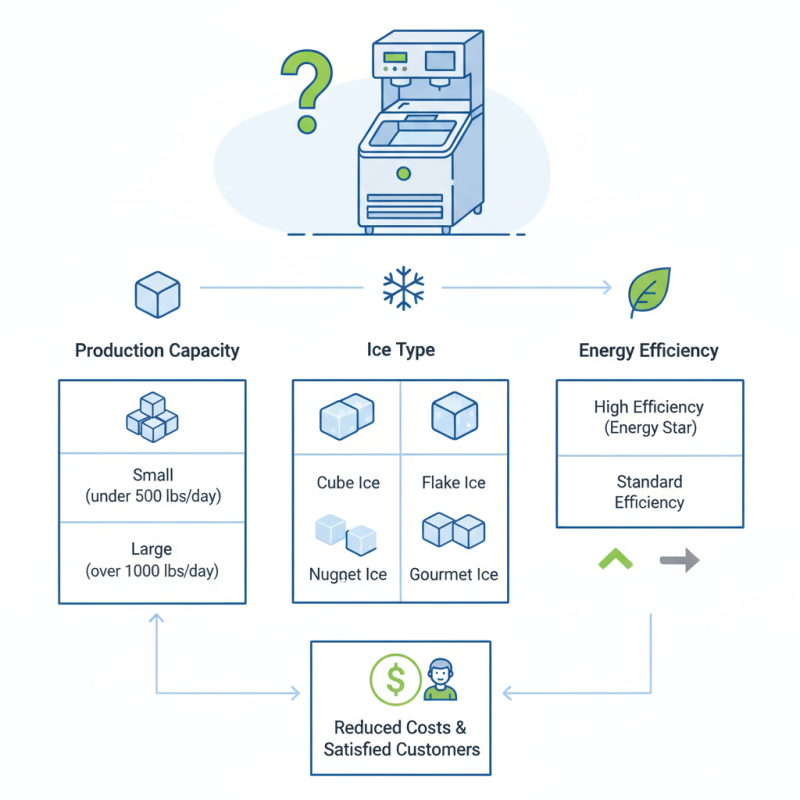
According to industry expert Mark Thompson, “A proper ice maker is not just a convenience; it’s a necessity for any beverage service.” His insights emphasize the importance of selecting a machine that suits your specific needs. It's essential to consider factors like production capacity, ice type, and energy efficiency when making your choice.
With various options available, making the right selection can feel overwhelming. Many business owners overlook the long-term costs associated with energy consumption. A poor choice could lead to higher operational costs and dissatisfied customers. Understanding these factors is vital for any establishment aiming for excellence in service delivery.
Understanding the Types of Commercial Ice Maker Machines Available
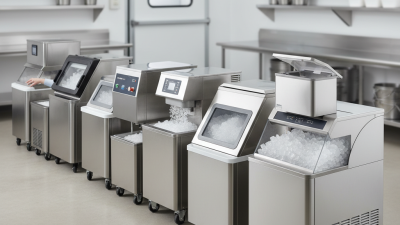
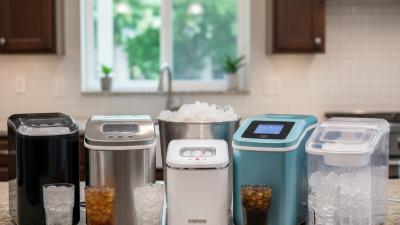
When selecting a commercial ice maker machine, understanding the types available is crucial. There are four main types: nugget ice, flake ice, cubed ice, and block ice machines. Nugget ice is softer and chewable, ideal for restaurants. Flake ice, commonly used in displays, quickly chills beverages and seafood. Cubed ice is prevalent in bars and cafes for its slow melting and structural integrity. Block ice has specialized use in large-scale operations where slower melting is advantageous.
Research indicates that about 40% of restaurants prefer nugget ice due to its consumer appeal. A report from the International Ice Association suggests that flake ice can reduce energy consumption by 15% compared to traditional cubed ice machines. These insights highlight the importance of your operational needs when choosing an ice maker.
Tips: Consider the volume of ice your establishment requires daily. Assess space constraints and energy efficiency ratings. Understand the maintenance needs of each type. Choosing the right machine is not only about capacity but also about meeting your business's unique demands.
Key Factors to Consider When Choosing an Ice Maker for Your Business
Choosing the right commercial ice maker is crucial for any business. Start by evaluating your ice production needs. Consider how much ice your establishment uses daily. High-demand locations may require more efficient machines that produce ice quickly. Assess the size of the unit, ensuring it fits in your space without compromising workflow.
Water quality is another key factor. Hard water can damage machines and affect ice taste. Investing in a quality water filtration system can mitigate these issues. Remember, maintenance is essential. Regular cleaning prevents breakdowns and extends longevity. Find a model that offers easy access for service, making it simpler to maintain.
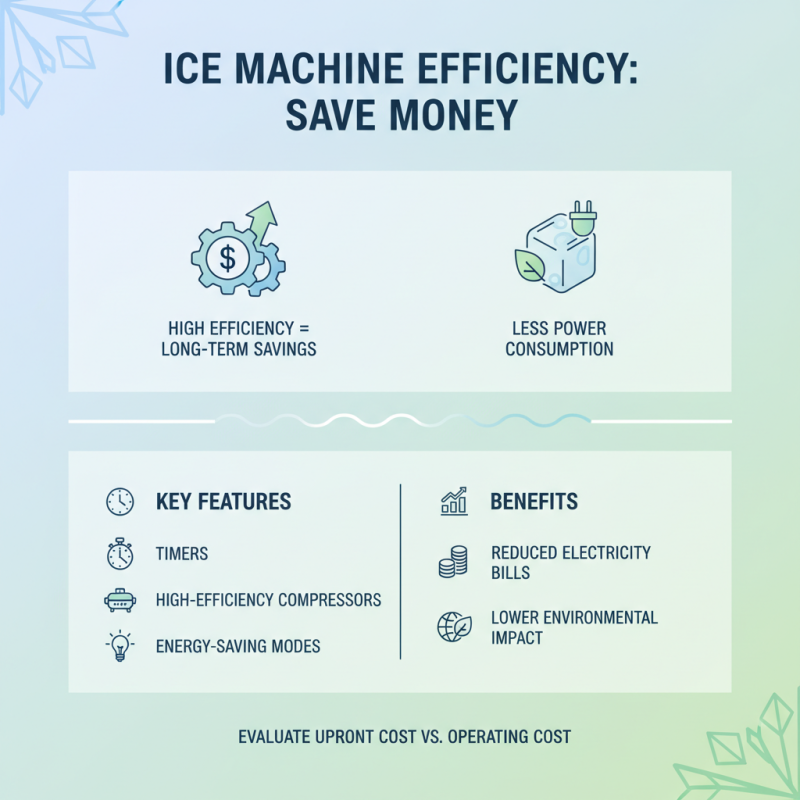
Energy efficiency matters too. An energy-efficient machine can save significant costs over time. Look for units with high energy ratings. Reflect on your location's climate, as this can impact ice production. Heat can increase demand, necessitating a machine that can handle fluctuating conditions. Make informed choices to enhance your business operations effectively.
Assessing Ice Production Capacity and Its Impact on Business Needs
When selecting a commercial ice maker, understanding ice production capacity is crucial. This capacity directly impacts your business needs. For example, a restaurant may require more ice during peak hours. In such cases, a high-capacity ice maker becomes essential. However, consider your average daily usage. Purchasing an industrial-grade machine for minimal needs can lead to wasted resources.
Tips: Always assess your peak periods. Knowing the busiest times will help you choose the right capacity. Estimate how much ice you use per service. This data helps avoid over- or under-purchasing. Check the recovery time, which indicates how quickly the machine produces more ice. A faster recovery time can support busy shifts.
Another factor is storage capacity. An ice maker that can produce a great deal but lacks storage will lead to overflow issues. Ice needs to be readily available. If you frequently run out, it can disappoint customers. Balancing production with storage is essential for smooth operations.
Tips: Make a list of your busiest days or events. Recognize trends in ice consumption. Does it increase during summer? Adjust your needs accordingly. Also, regularly review your ice usage to adapt to changing business demands.
Exploring Maintenance Requirements and Longevity of Ice Maker Units
When selecting an ice maker machine, maintenance is vital. Regular upkeep ensures longevity and reliability. Basic cleaning should occur weekly to prevent buildup. Moreover, make sure to check the water filter and replace it as needed. Some users overlook these aspects, which can lead to costly repairs later.
Inspecting the ice bin is essential too. Ice can accumulate, causing blockages. A simple wash can prevent this issue. Furthermore, check the seals and gaskets. They wear over time and can lead to inefficiencies. Not every user is aware that a tiny leak can drastically affect performance.
Finally, keeping an eye on the machine's performance is crucial. If ice production drops unexpectedly, something might be wrong. Regular monitoring allows early detection of potential issues. Some businesses ignore this and face equipment breakdown at crucial times. Don't let neglect cost you in the long run. Pay attention to maintenance and ensure your ice maker serves you well.