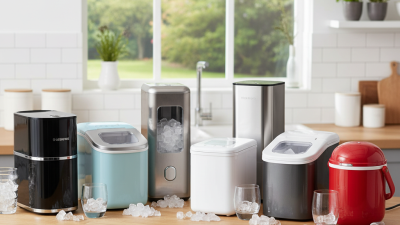
Choosing the perfect Mini Ice Maker can be a challenge. With numerous options available, finding the right one is essential. These compact machines offer convenience and ease for entertaining guests or cooling beverages.
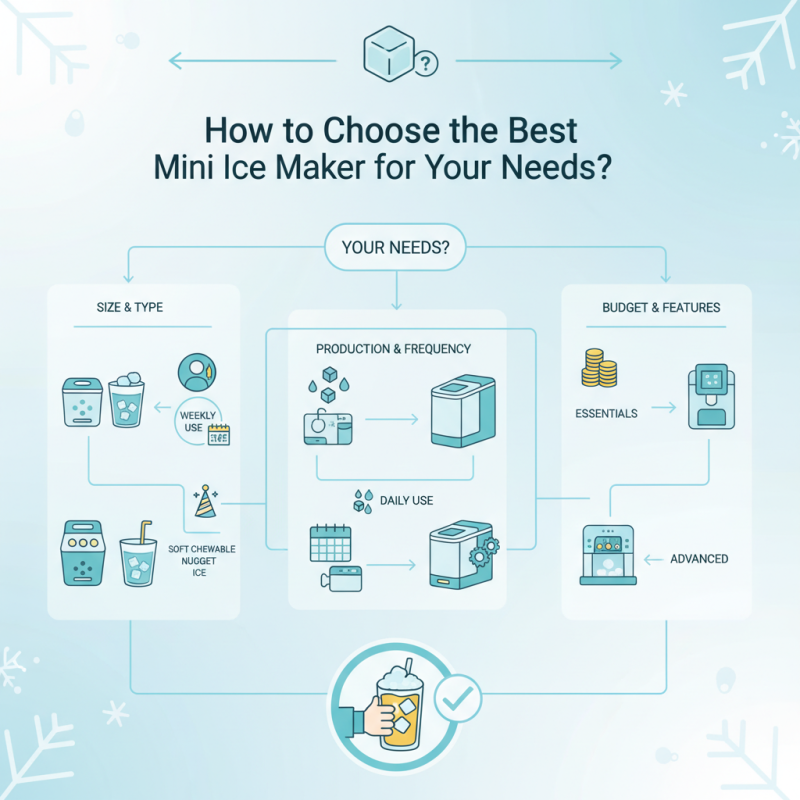
Consider the features that matter most to you. Think about size, ice production rate, and types of ice. Some models produce bullet ice, while others create nugget ice. Each type has its advantages and specific use cases. It’s also worth noting how often you plan to use the Mini Ice Maker. Frequent use may require a more robust model.
Budget is another crucial factor. High-end machines often offer more features but may not be necessary for casual users. Reflect on your needs versus the price. It’s easy to get lost in brands and specifications. Ultimately, your choice should align with your lifestyle.
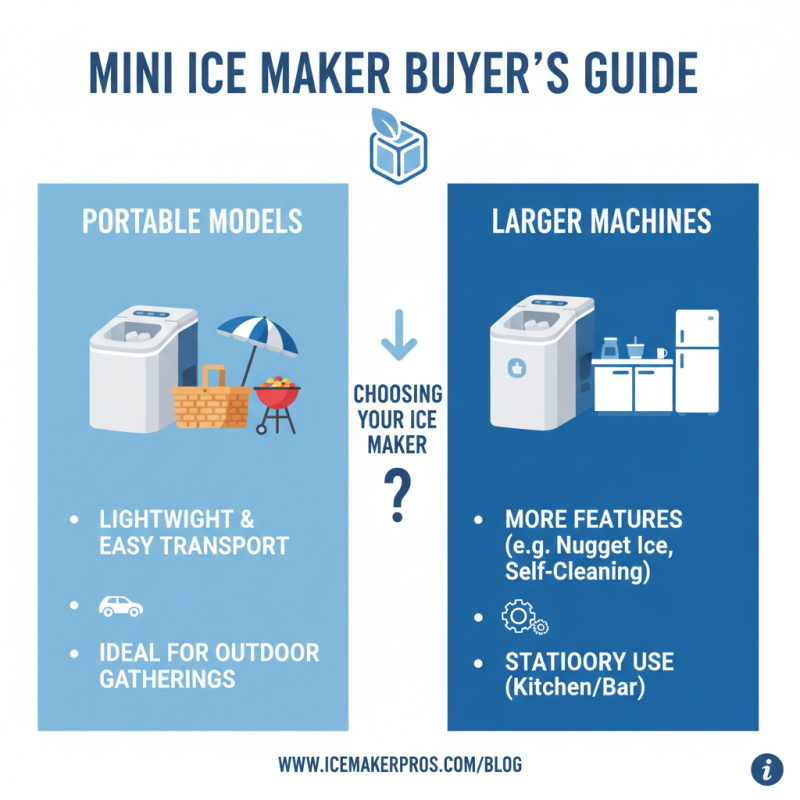
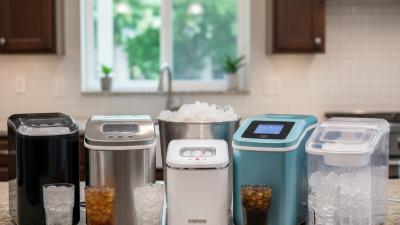
When choosing a mini ice maker, it's essential to understand the different types. There are portable models that are perfect for outdoor gatherings. These units are lightweight and easy to transport. However, they may lack certain features found in larger machines.
Countertop mini ice makers are another option. They come with many functionalities and can produce a good amount of ice. But they often occupy more space. If you have limited kitchen area, this may be a drawback. Keep in mind that noise levels can vary significantly between models. Some may be surprisingly loud, which can be disruptive during use.
Consider also the ice type these machines produce. Some create bullet-shaped ice, while others form cubes or flakes. Each type serves different purposes. Understand your needs before making a decision. Every choice has its trade-offs. Reflect on what works best for you, and don’t overlook personal preferences in this process.
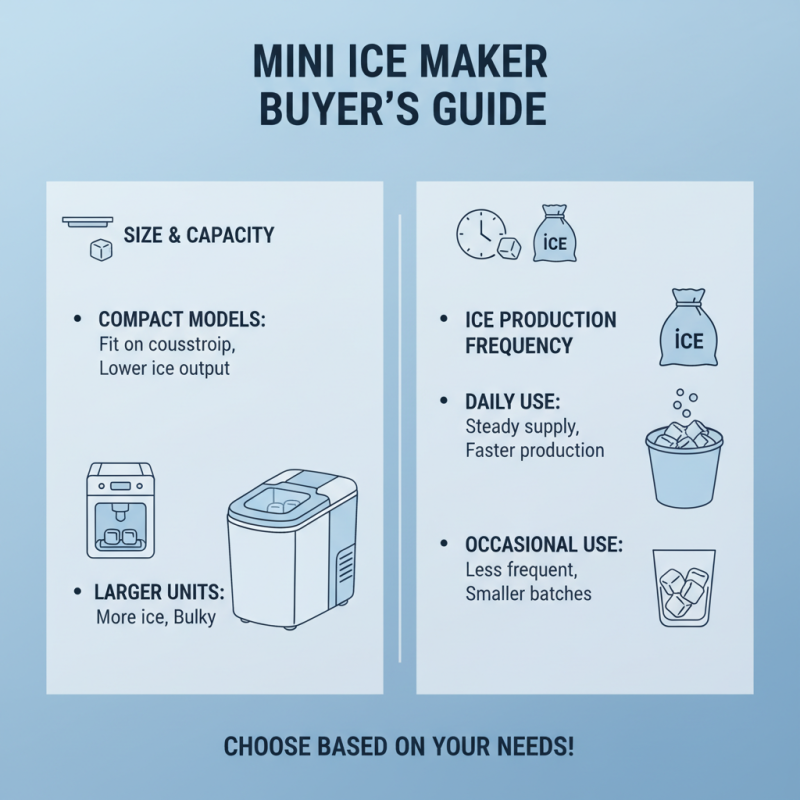
When selecting a mini ice maker, consider its size and capacity. A compact model can fit snugly on your countertop. However, smaller units may produce less ice, which could be a drawback for larger gatherings. Think about how frequently you need ice. Some users may need a steady supply, while others may only need ice occasionally.
Another vital feature is the ice production time. Some machines take just a few minutes to produce the first batch. Others require longer. For an impromptu party, faster production may be crucial. Also, check the noise level. A quieter machine may be more suitable for indoor use, while louder models could be acceptable outdoors.
The ease of cleaning is often overlooked. Machines with removable parts simplify maintenance. Regular cleaning is essential for good hygiene, yet many users forget this. Reflect on your habits before choosing a model. Consider the power consumption of the ice maker, which affects your energy bills. Smaller might mean less power, but be mindful of overall efficiency.
When considering a mini ice maker,
size and capacity
are crucial. Many models produce between 26 to 28 pounds of ice daily.
This range suits most small households or events. However, if you frequently host gatherings or have a large family,
you might require a higher capacity model. A report from the National Automatic Merchandising Association
highlights that more than 50% of consumers prefer units with larger storage.
Remember to check the ice storage capacity.
Some makers hold only 1 to 3 pounds of ice. If you don’t use the ice quickly,
this can be a challenge. Melted ice needs to be refrozen,
wasting resources. Evaluate how often you will refill the machine. If frequently, a larger capacity is
beneficial.
Moreover, consider space. While a mini ice maker is compact,
it still requires a dedicated spot on your counter or bar. Measure the area to avoid frustration during setup.
Balancing the size and capacity to fit your specific needs ensures that your investment in a mini ice maker serves you well.
When selecting a mini ice maker, energy efficiency is crucial. Look for models with low power consumption. A unit that operates on minimal electricity can save you money over time. Energy-efficient options might have an Energy Star rating. These models often use advanced technology to reduce energy use.
Consider the size and ice production rate too. A compact machine that churns out ice rapidly can meet your needs without wasting energy. However, check the specifications. Some models may seem efficient but fall short in actual performance. The right balance of size and output is key.
It's important to note that some mini ice makers might detail energy consumption numbers inaccurately. Always check reviews to gain insight into real usage. While you want to save on electricity, ensure the ice maker also fits well into your lifestyle. A perfect energy-efficient model sometimes requires compromises, like limited ice capacity. Think carefully about your priorities.
| Model | Daily Ice Production (lbs) | Energy Consumption (kWh/year) | Size (inches) | Water Recycling System | Price ($) |
|---|---|---|---|---|---|
| Compact Ice Maker A | 28 | 300 | 12 x 14 x 15 | Yes | 199 |
| Mini Ice Maker B | 26 | 280 | 11 x 13 x 14 | No | 179 |
| Portable Ice Maker C | 30 | 320 | 10 x 12 x 13 | Yes | 229 |
| Smart Ice Maker D | 24 | 250 | 11 x 13 x 15 | No | 169 |
| Energy Efficient Ice Maker E | 32 | 290 | 12 x 15 x 15 | Yes | 249 |
When considering a mini ice maker, budgeting is crucial. Initial costs can vary significantly. Basic models start at around $70, while advanced ones may exceed $200. According to a recent market report, the average consumer spends about $120 on a quality mini ice maker. Maintenance is another factor to consider. Many machines require less frequent upkeep, but some parts, like filters, may need replacement every few months.
Tips: Always check user reviews for potential long-term costs. A model with a higher upfront price could save you money on repairs. Additionally, regularly clean your appliance to avoid breakdowns.
It's also important to account for your electricity usage. Mini ice makers typically consume between 100 to 200 watts per hour. This means you’ll want to consider your local electricity rates. According to the U.S. Energy Information Administration, average residential electricity costs sit around $0.13 per kWh. So, even a small appliance can add to your overall expenses if used frequently. Review your habits carefully to avoid unexpected costs.