10 Best Ice Maker Factory Options for Your Home
Are you thinking about adding an ice maker to your home? You are not alone. Many homeowners want the convenience of fresh ice. An Ice Maker Factory can provide options that fit various needs and tastes. Choosing the right model can be overwhelming. There are numerous brands, each with unique features.
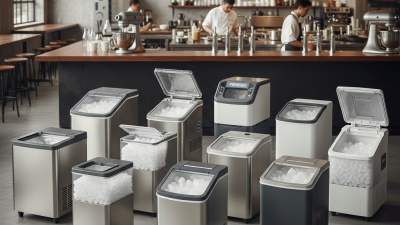
Quality matters when selecting an ice maker. Some create softer ice, while others produce clear, hard cubes. The choice depends on how you use ice. You may prefer compact designs for smaller kitchens. However, larger families might need more capacity. It's essential to consider where the ice maker will reside.
Not every ice maker lives up to expectations. Some models are noisy, while others break down quickly. Researching reviews is crucial before making a decision. Consider your budget, too. Prices can vary widely among Ice Maker Factory products. Ultimately, finding the right ice maker involves balancing quality and cost.
The Importance of Choosing the Right Ice Maker for Home Use
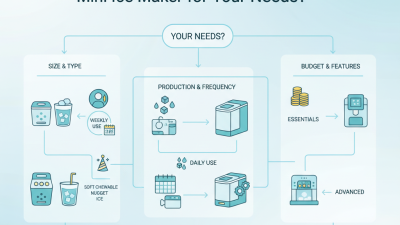
When selecting an ice maker for home use, understanding your needs is crucial. Different models may produce varying amounts of ice. Consider how often you entertain guests or enjoy cold beverages. A compact unit might suffice for small families, while larger homes could require more capacity.
The look and design of the ice maker also matter. An aesthetically pleasing unit enhances your kitchen’s ambiance. Pay attention to the materials used. Some machines may be less durable than they appear, leading to frustration. Are you okay with frequent replacements? Assessing energy efficiency is another vital aspect. Some ice makers consume more power than others.
Noise level is often overlooked but can impact daily life. You don’t want a loud machine disrupting conversations. Maintenance can be another point of contention. Consider how easy it is to clean. A complex setup might cause headaches down the line. Consider these aspects carefully to ensure you make the best choice.
10 Best Ice Maker Factory Options for Your Home
| Model |
Production Capacity (lbs/day) |
Ice Type |
Size (inches) |
Water Reservoir (gallons) |
Price Range ($) |
| Model A |
28 |
Cubed |
14 x 12 x 15 |
1.5 |
150 - 200 |
| Model B |
40 |
Nugget |
15 x 14 x 17 |
2.0 |
250 - 300 |
| Model C |
35 |
Flake |
16 x 15 x 18 |
1.8 |
200 - 250 |
| Model D |
50 |
Cubed |
17 x 16 x 19 |
2.5 |
300 - 350 |
| Model E |
42 |
Nugget |
15 x 13 x 16 |
2.1 |
220 - 270 |
| Model F |
38 |
Flake |
14 x 14 x 14 |
1.7 |
180 - 230 |
| Model G |
45 |
Cubed |
16 x 15 x 20 |
2.2 |
250 - 300 |
| Model H |
30 |
Nugget |
15 x 12 x 18 |
1.6 |
200 - 250 |
| Model I |
55 |
Cubed |
18 x 17 x 21 |
2.8 |
350 - 400 |
| Model J |
48 |
Flake |
16 x 14 x 19 |
2.0 |
260 - 310 |
Key Features to Consider When Selecting an Ice Maker
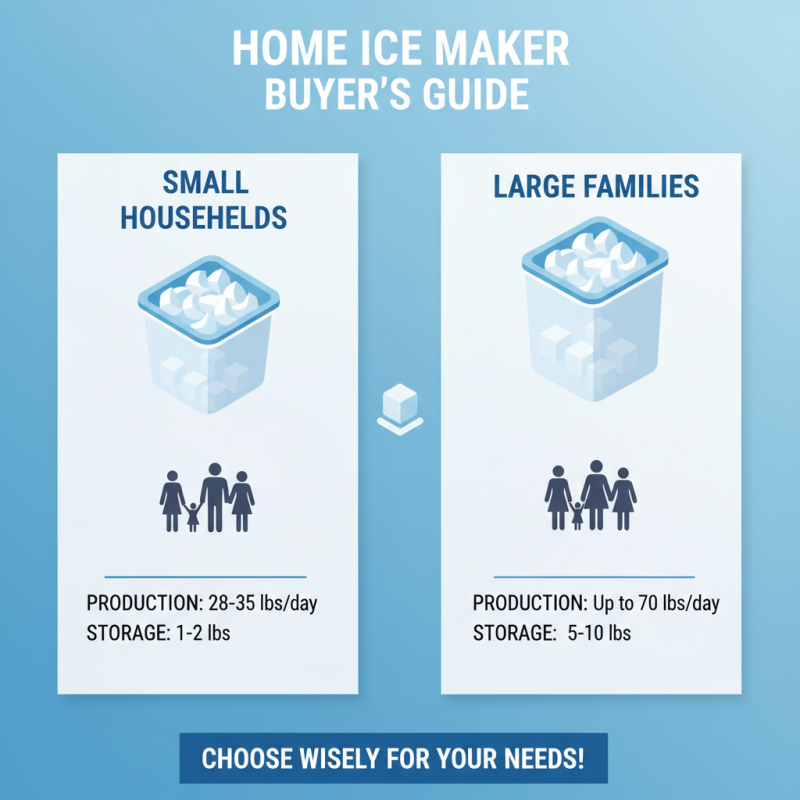
When selecting an ice maker for your home, key features are crucial to consider. Ice production capacity is one aspect to examine. For instance, a unit that produces 28-35 pounds of ice daily often suffices for small households. Larger families may require models that deliver up to 70 pounds daily. The storage capacity also matters; smaller units can only hold about 1-2 pounds, while bigger ones store 5-10 pounds.
Another important feature is the type of ice produced. Some machines create clear, bullet-shaped ice, whereas others form nugget or cube shapes. According to industry research, about 68% of consumers prefer nugget ice for its chewability. Noise level is another factor. Many ice makers operate quietly, but some can be loud during production. Noise complaints are common among users in shared living spaces.
Tips: Evaluate your space before purchasing. Measure your kitchen or bar area to ensure a good fit. Consider power consumption as well. A more efficient model might save you on electricity bills over time. Be mindful of maintenance; cleaning your ice maker regularly can prevent issues and prolong its lifespan. Look for units with self-cleaning features, but don't ignore manual cleaning recommendations.
Top 10 Ice Maker Factory Options Based on User Reviews and Ratings
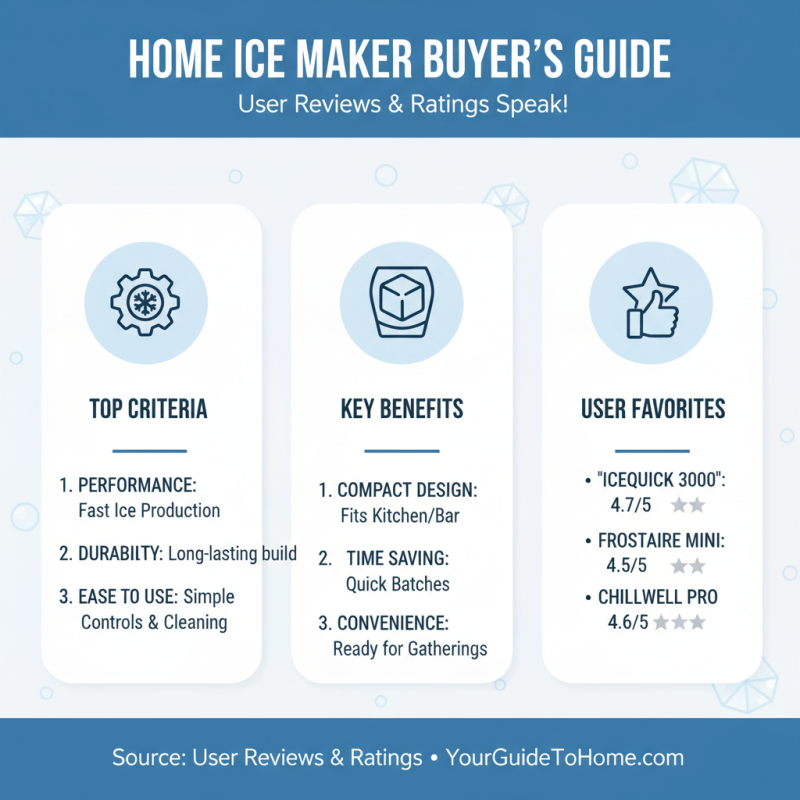
When it comes to choosing an ice maker for your home, user reviews and ratings offer valuable insights. Many models stand out based on their performance, durability, and ease of use. Users often praise the compact designs, which fit snugly in any kitchen or bar area. Some even mention how these machines save time and effort during gatherings.
However, not all ice makers provide the same experience. Some users report issues with noise levels, which can be an annoyance in quiet settings. Others highlight problems with ice quality. The size of the ice cubes can vary, and not everyone prefers the same shape. It’s essential to consider your specific needs and preferences when evaluating options.
Another important aspect is maintenance. A few models require regular cleaning to function optimally. Users have noted that neglecting this can lead to reduced performance. Reflecting on these factors will ensure you select an ice maker that suits your home perfectly. Balancing performance with your personal preferences is key to finding the right option.
Comparative Analysis of Ice Production Rates and Energy Efficiency
When evaluating ice makers for home use,
production rates and energy efficiency come into play. Some models produce ice quickly, which is essential for parties. However, speed doesn't always mean energy efficiency. Many buyers overlook this factor. It's crucial to consider how much energy a unit uses over time. Higher energy consumption can lead to increased bills.
Tips: Look for models with energy-saving features. These often showcase lower consumption without sacrificing output. A unit that offers batch production is another worthy choice. It can create ice at intervals, saving energy in off-peak times.
Additionally, maintenance is key. Some ice makers require regular cleaning to function efficiently. Neglecting maintenance can lead to ice quality issues or decreased output. This is a mistake many make. Regular checks and cleaning can enhance performance and lifespan. Be mindful of the materials used as well. Some may not retain colder temperatures as effectively, impacting production rates.
Maintenance Tips to Maximize the Lifespan of Your Ice Maker
Maintaining your ice maker is crucial for longevity. According to industry reports, a well-maintained ice maker can last up to 10 years longer than one that is neglected. Regular cleaning is essential. Bacteria can accumulate in ice machines, leading to health concerns. It's recommended to clean your ice maker every six months. Use warm, soapy water and avoid abrasive cleaners.
Water quality significantly impacts ice maker performance. Hard water contains minerals that can build up over time. This buildup can hinder ice production. Using a water filter is a smart investment. A study found that appliances connected to filtered water systems lasted 30% longer. Keep an eye on the ice production cycle. If it slows down, this could be a sign of an underlying issue.
Temperature settings also matter. Setting the ice maker too low can strain the motor. The ideal temperature is around 0°F (-18°C). Keep the surroundings clean and allow proper ventilation. Dust and debris can block air flow, diminishing efficiency. Users often overlook these small details, leading to premature failures. Regular checks can save both time and repair costs.
Ice Maker Efficiency Comparison
This chart compares the daily ice production capabilities of various ice maker models. By evaluating these figures, you can make an informed decision on which model best meets your home needs.