2026 Best Ice Maker Machine Reviews and Buying Guide?
In recent years, the demand for Ice Maker Machines has surged significantly. According to a report by Technavio, the global ice maker machine market is expected to grow by over 9% annually through 2026. This increase showcases how vital these appliances have become in homes and businesses alike.
Expert in refrigeration technology, Dr. Rebecca Chen, emphasizes the importance of choosing the right ice maker: "Quality is key; the machine must meet both the volume and style of ice your business needs." When selecting an ice maker machine, understanding your specific requirements is essential. Some machines are ideal for bars, delivering crushed ice, while others excel in producing nugget ice for restaurants.
However, many consumers overlook critical features while purchasing. Not everything is straightforward in the choices available. Ice production capacity, energy efficiency, and maintenance requirements often cause confusion. Buyers must reflect on their unique needs and preferences, ensuring that the ice maker machine fits seamlessly into their daily routines. This review will guide you through that process, helping you make an informed choice.
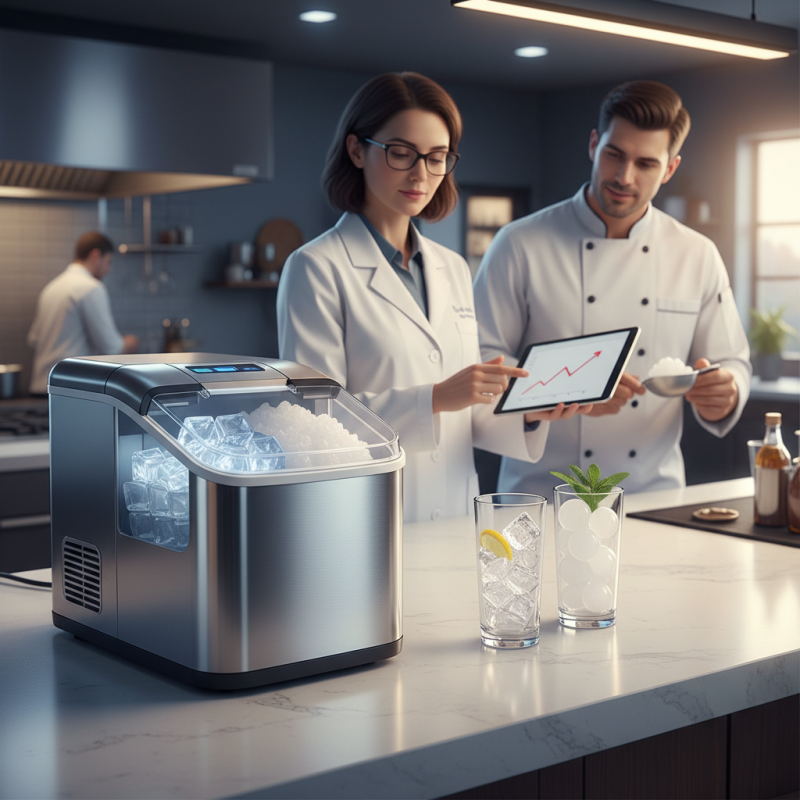
Overview of Ice Maker Machines: Features and Benefits
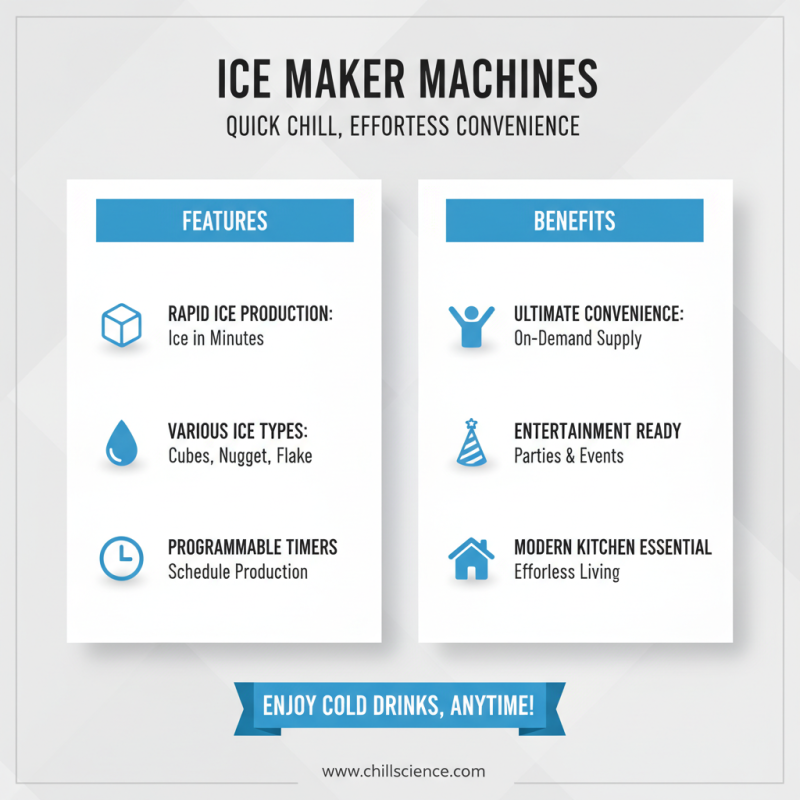
Ice maker machines have become essential in modern kitchens and entertainment spaces. They offer convenience and efficiency for those who enjoy cold beverages. With a well-functioning ice maker, you can enjoy ice cubes in minutes rather than waiting for hours. These machines suit a variety of needs, from home use to parties and events.
Features of ice maker machines vary significantly. Some have adjustable ice sizes, allowing users to choose between small and large cubes. Others include a self-cleaning function that saves time and effort. Energy efficiency is another key benefit, as many machines use less power than traditional methods. However, it's important to consider the noise level. Some models can be surprisingly loud, which may disrupt quiet moments.
Choosing the right ice maker involves reflection on personal needs. Think about how often you entertain or need ice for drinks. Portability is essential if you plan to use it both indoors and outdoors. Remember that not all machines fit every lifestyle. Some might feel too bulky for a small kitchen. Balance features with your actual requirements to make an informed decision.
Types of Ice Makers: Portable, Under-Counter, and Built-In
When it comes to ice makers, you have several options:
portable,
under-counter, and
built-in. Each type serves different needs and spaces.
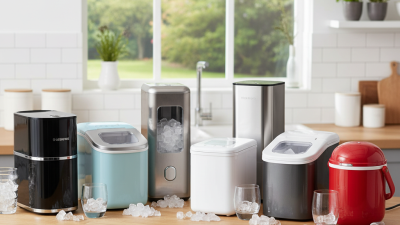
Portable ice makers are typically compact, making them ideal for camping or outdoor events.
They usually produce a small quantity of ice in a short time, often within 10 to 15 minutes.
However, they may lack the storage capacity needed for larger gatherings.
Under-counter ice makers, on the other hand, are permanent fixtures in kitchens or bars.
According to recent industry reports, these units can produce between
28 to 70 pounds of ice per day, suitable for high-demand households.
Their installation requires more planning, as they often involve plumbing.
Despite convenience, users might face challenges with space and accessibility.
Maintenance can also become an issue over time, potentially leading to costly repairs.
Built-in ice makers offer the best integration into cabinetry.
They blend seamlessly with your kitchen design, providing a consistent supply of ice.
These units often have advanced features, such as
programmable settings and
self-cleaning options.
Yet, they might come with a higher initial investment and require considerable installation effort.
Choosing the right type hinges on your specific needs and the space available.
Consider your usage patterns and space constraints carefully.
Key Factors to Consider When Buying an Ice Maker
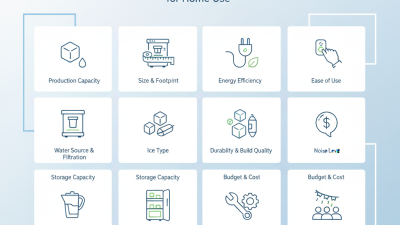
When buying an ice maker, several key factors should jump to mind. The size of the machine is important. Consider your available space. A compact unit may fit better in smaller kitchens. Larger machines, on the other hand, produce more ice. Think about how much ice you need for your events. Sometimes, less is more.
Another critical factor is the type of ice produced. Machines make various shapes—cubes, nuggets, or flakes. Each type serves different purposes. Nugget ice is popular in drinks, while cube ice is common for cocktails. Reflect on what you enjoy most. This might be overlooked but is essential.
The machine's production speed is also vital. Some models churn out ice in under 10 minutes. Others may take longer. If you host frequently, fast production can be a game-changer. Maintenance is not to be neglected, either. Cleaning can feel tedious over time. Ensure you’re up for it before you commit. A well-maintained ice maker can last longer and perform better.
2026 Best Ice Maker Machine Performance Comparison
Top 2026 Ice Maker Models: Comparisons and Reviews
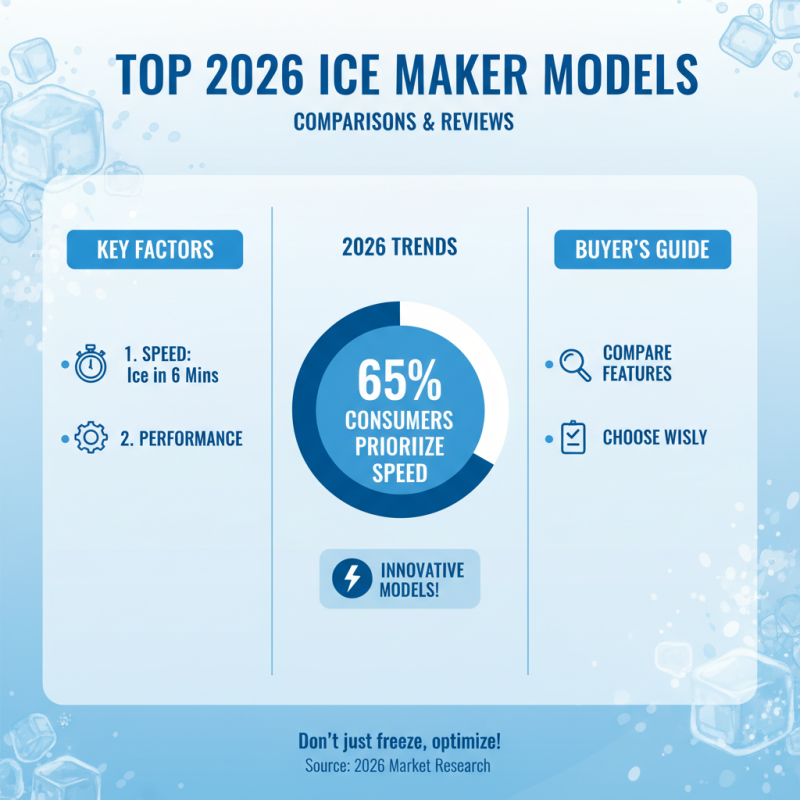
When it comes to choosing the best ice maker, comparison is key. 2026 has brought many innovative models to the market. Research shows that 65% of consumers prioritize speed in ice production. Some machines can produce ice in as little as 6 minutes. That is impressive for parties and events. However, not all machines offer equal performance.
Capacity matters too. A standard ice maker can produce about 28 pounds of ice daily. Yet, some models can churn out 50 pounds. If you’re hosting large gatherings, this is crucial. An industry report found that 40% of users faced issues with ice storage. This highlights a gap in user expectations versus actual performance.
Another point of reflection is energy efficiency. Many ice makers use a significant amount of power. In fact, around 25% of users reported high electricity bills after purchases. It’s essential to check energy ratings before buying. Some machines will save you money in the long run. Always consider these factors to ensure satisfaction with your choice.
Maintenance Tips for Optimal Ice Maker Performance
Maintaining your ice maker can significantly enhance its performance. Regular cleaning is essential. Buildup of minerals and debris can affect ice quality. Use a mixture of water and vinegar for a natural clean. Rinse thoroughly afterward. This process should be done every month.
Periodically check the water filter. Replace it as per the manufacturer's recommendations. A clogged filter can slow down production. Monitor the ice thickness and adjust settings as needed. If ice comes out too thin, it may be a sign of underlying issues.
Here's a tip: Keep the ice maker in a cool environment. Heat can hinder its efficiency. Also, avoid overloading the storage bin. This creates pressure that can strain the machine. Reflect on your usage habits; are you pushing the limits too much? Adjusting can lead to better performance over time.
2026 Best Ice Maker Machine Reviews and Buying Guide - Maintenance Tips for Optimal Ice Maker Performance
| Model |
Ice Production (lbs/24h) |
Water Reservoir (L) |
Ice Size Options |
Energy Rating |
Dimensions (inches) |
| Model A |
28 |
3.5 |
Small, Medium |
A+ |
15 x 11 x 16 |
| Model B |
35 |
4.0 |
Medium, Large |
A++ |
16 x 12 x 17 |
| Model C |
40 |
5.0 |
Large |
A' |
18 x 14 x 19 |