10 Best Ice Machine Manufacturers for Global Buyers
Choosing an Ice Machine Manufacturer is not simply a matter of comparing daily ice output. Global buyers must examine water quality, climate, voltage, service coverage, and replacement-part availability. A machine working well in a cool hotel may struggle in a humid seafood market. Small details matter. Drain height matters. Condenser access matters.
John Mahlmeister, an experienced ice-equipment executive, once expressed a practical buying principle: “The right ice machine must fit the application, not merely promise more ice.” That idea guides this review. The strongest manufacturers are not always the largest names. They are companies that match machine design with real operating conditions, including restaurants, hospitals, supermarkets, cruise vessels, and food-processing facilities.
This list compares ten leading manufacturers for international buyers. It considers product reliability, ice types, energy performance, sanitation features, customization, certifications, and after-sales support. We also look at regional service networks and technical documentation. Those factors can decide whether a machine runs smoothly or becomes an expensive interruption.
No ranking is perfect. Market data changes. Dealer quality differs by country. Some manufacturers appear impressive on paper but provide limited local support. That weakness deserves attention. Buyers should confirm warranty terms, installation requirements, water-treatment needs, and spare-part delivery before ordering.
The goal is practical guidance, not empty praise. A dependable Ice Machine Manufacturer should help buyers produce consistent ice, control operating costs, and maintain safe production over time. More output is not always better. Fit, support, and honest performance often matter more.
Ice Machine Manufacturers: Industry Scope and Product Categories
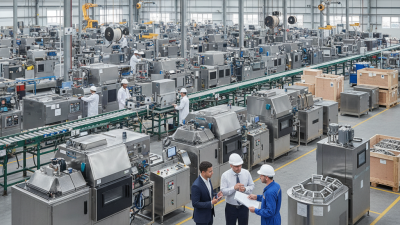
Ice machine manufacturing supports food processing, hospitality, healthcare, fisheries, laboratories, and cold-chain logistics. Its scope extends beyond equipment sales. Manufacturers also provide sizing advice, installation guidance, spare parts, remote monitoring, and maintenance training. For global buyers, export experience matters. A technically strong factory may still struggle with documentation, voltage variation, or local service response. That gap is easy to underestimate.
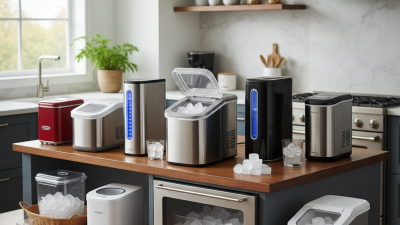
Product categories serve different working conditions. Flake ice cools seafood and produce efficiently because it spreads across uneven surfaces. Cube ice suits restaurants, hotels, and beverage service. Nugget ice is popular for soft texture and quick consumption. Tube and block machines support longer storage and transport. Plate machines often fit industrial cooling lines. Capacity ranges from compact units for small kitchens to large systems producing several tons daily.
Experienced buyers should compare output, power demand, water consumption, refrigerant choice, noise, and cleaning access. Ambient temperature can reduce real production, especially in tropical warehouses. Water quality also affects scale buildup and ice clarity. In practical procurement, factory testing videos are useful, but they should not replace performance records. A low purchase price may conceal difficult maintenance or unavailable components. No category is perfect. Sometimes, a simpler machine with local technical support performs better than a highly automated model. Reliable manufacturers explain these trade-offs clearly, provide accurate manuals, and adapt equipment to regional operating conditions.
Key Criteria for Evaluating Global Ice Machine Manufacturers
Global buyers should evaluate ice machine manufacturers through performance, evidence, and service capability. Output ratings must match the buyer’s climate, water quality, and operating schedule. A machine producing 1,000 kilograms daily in a cool factory may perform differently in a hot coastal warehouse. Ask for test conditions, not only catalog numbers.
Ice type also matters. Flake, cube, nugget, and block ice serve different industries and storage systems. Check food-contact materials, drainage design, cleaning access, and insulation quality. Hygienic construction reduces residue around corners and seals. Check the drains. Poor drainage can create costly maintenance problems.
Energy and water consumption deserve careful comparison. Request measured data at several ambient temperatures. A lower purchase price may hide higher electricity costs. Experienced buyers should review compressor quality, control systems, spare-part availability, and local technician support. Ask for proof. Warranty terms should identify response times, replacement procedures, and excluded components. Independent certifications can support credibility, but buyers should verify their scope and validity. References from similar climates are more useful than general testimonials. Data matters. I have found that even strong suppliers can provide incomplete figures, so every assumption should be recorded before signing a contract. A practical factory audit, sample inspection, and total-cost calculation often reveal weaknesses that polished brochures miss.
Ten Leading Ice Machine Manufacturers for International Buyers
International buyers need more than a familiar name when selecting ice equipment. A practical review of ten leading ice machine manufacturers should examine output, energy use, sanitation, and after-sales support. Grand View Research estimates that the global commercial ice machine market reached about USD 4 billion in 2023, with steady growth expected through 2030. This expansion reflects demand from hotels, seafood processors, hospitals, and beverage distributors.
Performance must match the working environment. A machine rated for 1,000 kilograms daily may produce less in a hot, humid kitchen. Check capacity at the stated ambient temperature, not only at laboratory conditions. ENERGY STAR data shows that certified commercial ice machines can reduce energy and water consumption compared with standard models. The saving matters when equipment operates continuously. It also affects maintenance budgets.
The strongest manufacturers usually provide modular designs, food-contact materials, documented testing, and regional spare-parts access. Look for compliance with recognized sanitation and safety standards, including applicable NSF, CE, or equivalent requirements. Refrigerant selection deserves careful review because environmental rules differ by market. Some supplier claims remain vague. That is a warning sign. Buyers should request test reports, warranty terms, service response times, and installation references before comparing quotations. Ten manufacturers may appear similar on paper, yet daily reliability often depends on condenser cleaning, water quality, and technician training. Those details are easy to overlook.
Product Strengths, Technologies, and Market Applications
10 Best Ice Machine Manufacturers for Global Buyers
Product strength begins with ice consistency, not a glossy specification sheet.
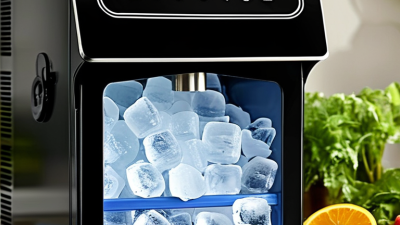
Leading manufacturers offer cube, flake, nugget, tube, and block formats for different operating needs. Cube ice suits hotels and restaurants because it melts slowly in drinks. Flake ice protects seafood with gentle coverage and minimal bruising. Block ice supports transport when longer storage is required.
Modern machines use efficient compressors, corrosion-resistant evaporators, and digital water-level sensors. Some systems adjust production when ambient temperatures rise. Remote monitoring can alert operators to low water, high pressure, or cleaning requirements. These features reduce downtime, especially in busy kitchens and processing plants. Still, automation is not magic. Sensors need calibration, and neglected filters can lower output quickly. That detail is easy to miss.
Market application should guide the purchase.
Hospitals and laboratories may require strict hygiene controls and easy-to-sanitize surfaces. Fisheries often need high-volume flake ice near cold rooms and loading docks. Construction projects can use ice for concrete temperature management in hot climates. Hospitality sites usually value quiet operation, compact footprints, and predictable daily production. Experienced buyers should compare tested output at local temperature conditions, not only catalog figures.
Power supply, water quality, drainage, spare-part access, and technician training also affect lifetime value. A reliable manufacturer provides clear manuals, documented testing, and responsive service across borders.
How to Select the Right Ice Machine Manufacturer by Region and Need
Choosing an ice machine manufacturer starts with your operating region, not a catalog. A coastal seafood plant needs corrosion-resistant materials and easy cleaning. A hotel in a hot climate needs stable output during peak afternoons. Check whether the manufacturer supports your local voltage, frequency, water quality, and installation standards. Ask for test data at your expected ambient temperature. A machine rated at 20°C may produce much less ice at 35°C.
Your required ice type also matters. Flake ice suits fish displays and rapid cooling. Cube ice works well for restaurants, beverage service, and retail bags. Nugget ice may fit self-service drinks, but its softer texture can increase storage losses. Confirm daily capacity, bin volume, freezing time, and recovery speed. Do not compare capacity alone. Energy use, filter replacement, sanitation access, and spare-part availability affect real operating costs. I have seen buyers choose a cheaper unit, then face costly downtime because a simple pump was unavailable locally.
Tips: Request references from businesses in a similar climate. Review the warranty in writing. Ask who handles commissioning and emergency service. Inspect the condenser, drain system, and control panel before purchase. Leave room for maintenance access. Small details matter. Also, challenge the sales forecast. Your demand may grow, but an oversized machine can waste energy during quiet seasons. A regional manufacturer may offer faster support, while an international supplier may provide stronger testing records. Neither option is automatically better. Compare documented performance, technician training, delivery times, and total ownership cost before deciding.