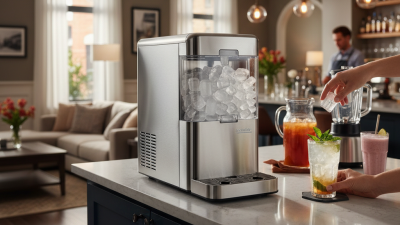
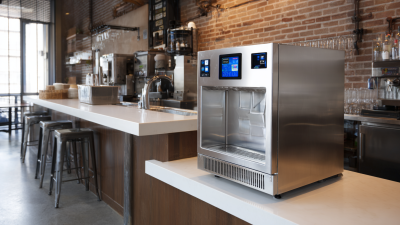
Best Commercial Ice Maker Machine for Your Business Needs?
Finding the right Commercial Ice Maker Machine is crucial for business operations. In the words of industry expert James Thompson, “The right ice maker can enhance service quality significantly.” This statement echoes the importance of choosing wisely.
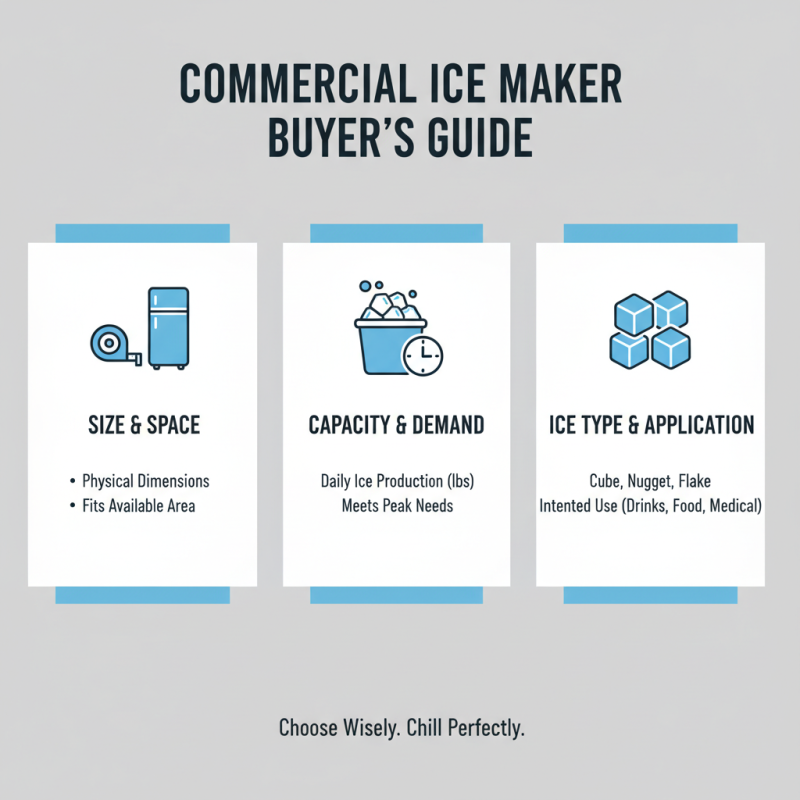
When selecting a machine, consider your business size and specific needs. A small restaurant may not require the same capacity as a busy bar. Ice type also matters. Some businesses thrive on flake ice, while others prefer nugget ice.
One common mistake is underestimating ice demand. This can lead to equipment outages during peak hours. In such cases, service suffers, and customer satisfaction drops. Reflecting on these aspects can ensure better decisions in the future. A well-made choice can set your business apart.
Best Commercial Ice Maker Machine: Overview of Key Features
When selecting a commercial ice maker machine, key features make a significant impact. The size of the machine is critical. It should fit the available space and meet ice production needs. Machines come in various capacities. Assess your daily ice requirements before choosing one.
Another important feature is the type of ice produced. Some businesses prefer nugget ice, while others may need clear cubes. Each kind serves different purposes. The water source is also vital. Some machines require plumbing, while others have a water reservoir. This choice depends on your facility's setup.
Energy efficiency is a factor that should not be overlooked. Machines can consume considerable energy. Look for models that operate quietly and save on utility costs. Maintenance ease is another consideration. Some machines require regular cleaning, which can be a hassle. Think about how this will fit into your routine. Balancing these features can be challenging but essential for long-term success.
Types of Commercial Ice Makers: Choosing the Right Ice Style for Your Business
When selecting a commercial ice maker, understanding the types of ice is crucial. Businesses often need different ice styles for their specific needs. There are mainly three types: cubed ice, flake ice, and nugget ice. Each style serves different purposes in a commercial setting.
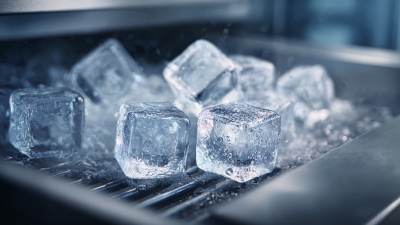
Cubed ice is popular in restaurants. It holds up well in drinks and doesn’t dilute quickly. Many bars also prefer it for cocktails.
Flake ice has unique advantages too. It's softer and molds easily around seafood and displays. However, it can be a bit messy. Some users find it less practical for high-volume needs.
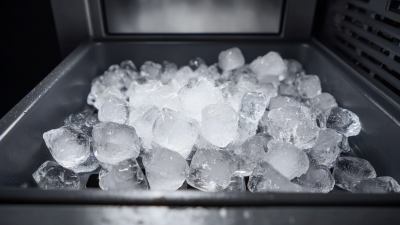
Nugget ice has gained widespread appreciation. Its chewable texture adds a fun element to beverages. Yet, it may require more maintenance. This is a point businesses should consider.
Choosing the right type of ice can impact customer satisfaction. An ice maker that doesn’t fit your needs may cause frustrations. It's vital to weigh the pros and cons of each type. This decision can also affect storage space and overall efficiency. An ice maker should not be an afterthought; make this choice carefully.
Performance Metrics: Ice Production Capacity and Efficiency Ratings
When choosing a commercial ice maker, understanding performance metrics is essential. Ice production capacity is a key factor. Some machines can produce a tremendous amount of ice daily. Efficiency ratings also matter. Higher efficiency means lower energy costs and less waste.
Tips: Look for energy-efficient models. They save money in the long run. Measure your daily ice needs accurately. It helps you select the right machine size.
Not all ice makers are created equal. Some struggle to keep up with peak demands. This can lead to interruptions. It’s crucial to review user experiences. Check their reports on reliability. A reliable ice maker should perform consistently, regardless of the demand.
Tips: Consider maintenance requirements before purchasing. Machines with complex designs can be harder to maintain. Simplicity often equals reliability. Look for machines that are easy to clean. This will save time and effort.
Cost Analysis: Comparing Initial Costs vs. Long-Term Operational Expenses
When choosing an ice maker for your business, it’s essential to analyze costs thoroughly.
Initial costs often catch attention. For many, the sticker price is the deciding factor.
However, overlooking long-term operational expenses can be a costly mistake.
It’s crucial to assess both aspects carefully.
Operational expenses include electricity, maintenance, and water usage.
These factors can magnify the cost over time. Some machines consume more energy, adding to your monthly bills.
A high-quality unit may cost more upfront but can save you in energy costs later.
Regular maintenance can also avoid larger repair bills down the line.
Consider the size and capacity of the machine.
A larger unit might seem more efficient, but if you don’t need that much ice, you waste money.
Smaller machines may require more frequent usage. Balancing the right size with your needs is essential.
It’s important to reflect on these points to avoid underestimating your investment.